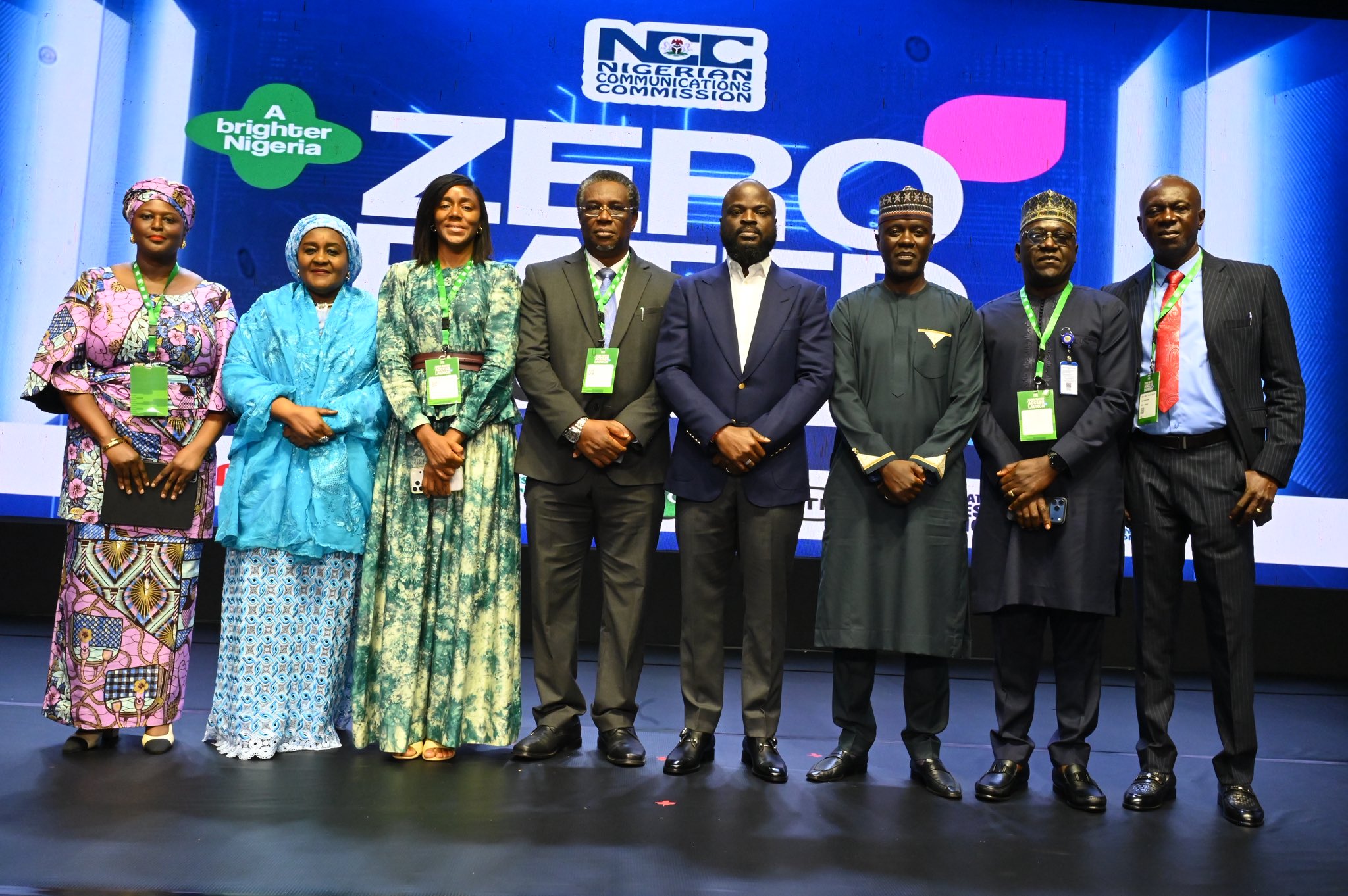
The Nigerian Communications Commission (NCC) says Nigerian students will begin to enjoy zero-rated access to approved educational platforms and content from October 1, 2026.
The initiative is aimed at reducing the cost of internet access and expanding digital learning opportunities across the country.
Under the scheme, participating Mobile Network Operators (MNOs) will provide a daily zero-rated allowance of 100 megabytes for accessing approved educational websites and platforms during the initial rollout period.
READ ALSO:NCC Moves to Regulate Virtual Mobile Operators
The Executive Vice Chairman and Chief Executive Officer of the NCC, Dr Aminu Maida, said the initiative was designed to remove the cost of internet data as a major barrier to accessing educational resources.
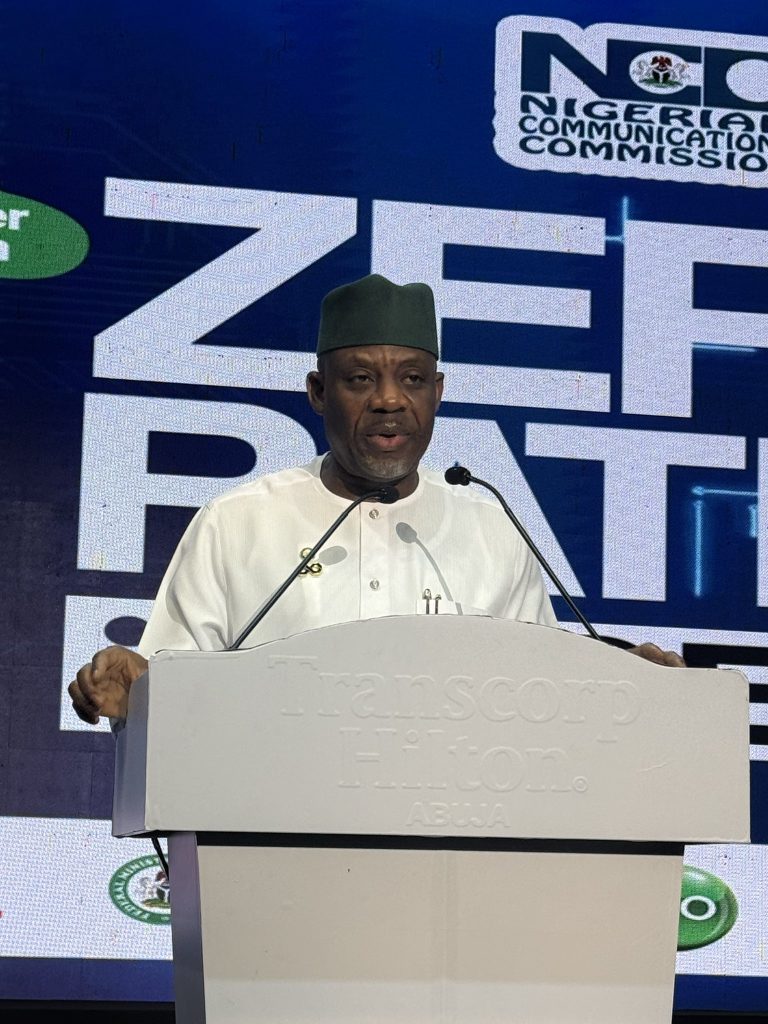
Maida stated this in Abuja at the launch of the Zero-Rated Access to Educational Platforms and Content initiative.
He said affordable connectivity was critical to the Nigerian Government’s human capital development agenda and its ambition of building a 1 trillion-dollar economy.
“This initiative is part of a bigger scheme to ensure that education is delivered to every citizen, not just consumer of telecom services, but every citizen in the country to ensure that nobody is left behind in terms of educating citizens and ensuring that we can get the maximum productivity out of every Nigerian towards building a more productive economy and achieving that $1 trillion economy vision under his excellency, President Bola Ahmed Tinubu,” he said.
Maida explained that although the initial allocation of 100 megabytes of data per day might appear small, its cumulative impact across millions of students over several years would represent a significant investment by the telecommunications industry in Nigeria’s future.
According to him, improved access to educational platforms would help bridge disparities between regions with shortages of teachers and those with greater teaching capacity by connecting learners with educational resources and instructors online.
He said the initiative was also an investment in the future productivity of the economy, noting that today’s students “would become tomorrow’s innovators, entrepreneurs and leaders.”
Maida acknowledged the financial commitment required from mobile network operators but stressed that the long-term benefits of a more skilled and productive population would outweigh the immediate cost to the industry.
Sustainability
On sustainability, the NCC chief said safeguards had been incorporated into the initiative, including the 100MB data cap and measures to ensure educational platforms were optimised to consume as little data as possible.
He urged platforms to minimise advertisements and other features that could unnecessarily consume data, saying available bandwidth should be focused primarily on delivering educational content.
Maida further said the NCC was working to promote responsible internet use, particularly among children and other vulnerable groups, while recognising that online safety remained an evolving global concern.
In his keynote address, the Minister of Education, Dr Tunji Alausa, described the initiative as a revolutionary intervention capable of democratising access to education for Nigerian children, particularly those in underserved and remote communities.
Alausa said the initiative would initially target learners at the senior secondary and tertiary levels, with plans to extend access to other categories of learners.
He linked the programme to the Federal Ministry of Education’s Nigeria Education Sector Renewal Initiative, stressing that digitalisation and data were central to transforming the country’s education system.
“At the federal ministry of education, we are implementing this vision through the Nigeria Education Sector Renewal Initiative, otherwise known as NESTRI, which provides a strategic framework for transforming education in a country.”
“Central to this transformation is data and digitalisation. We recognise that we cannot build a 21st century education system using 20th century tools. We cannot effectively manage an education system as large and complex as Nigeria without relying on data, and we cannot prepare our children for an increasing digital economy if millions of them remain excluded from digital learning opportunities,” He said.
The minister said more than 240,000 schools had already been geomapped and geolocated under the government’s education data initiatives.
He stated that efforts were underway to provide learners with unique education identities and improve the collection and use of education data.
Alausa said zero-rating approved educational platforms would help transform mobile phones, tablets and computers from communication devices into classrooms and gateways to knowledge.
He, however, stressed that access must be accompanied by quality and safety, warning that not every platform describing itself as educational should automatically qualify for zero-rated access.
Representing the Minister of Communications, Innovation and Digital Economy, Dr Bosun Tijani, the Director of the National Frequency Management Council Secretariat, Mr Adeyemo Olugbenga, described the initiative as a significant step towards making digital education more affordable, accessible and inclusive.
He said the programme demonstrated the importance of collaboration between government, the telecommunications industry, educational institutions, technology platforms and other stakeholders in advancing Nigeria’s digital transformation.
Olugbenga said the ministry would continue to support initiatives that promote digital inclusion, affordable connectivity, innovation and access to knowledge.
“We wish to assure the NCC and the stakeholders of this ministry continued support for programme that promotes digital inclusion, innovation, affordable connectivity, and access to knowledge. I’m confident that this initiative will make a meaningful difference in the lives of Nigerian learners and contribute to the development of a more digital, skilled, and knowledge-driven society,” he added.
The launch brought together stakeholders from the education and telecommunications sectors, including representatives of telecom operators, universities, polytechnics, regulatory agencies and other government institutions.
The initiative is expected to reduce the financial barriers preventing millions of Nigerian learners from accessing digital educational resources and support the government’s broader goal of ensuring that geography and household income do not determine access to quality education.