The Nigerian Content Development and Monitoring Board (NCDMB) has urged journalists in Anambra State to highlight business opportunities in the oil and gas industry, investigate compliance with local content laws and examine the sector’s impact on Nigerians.
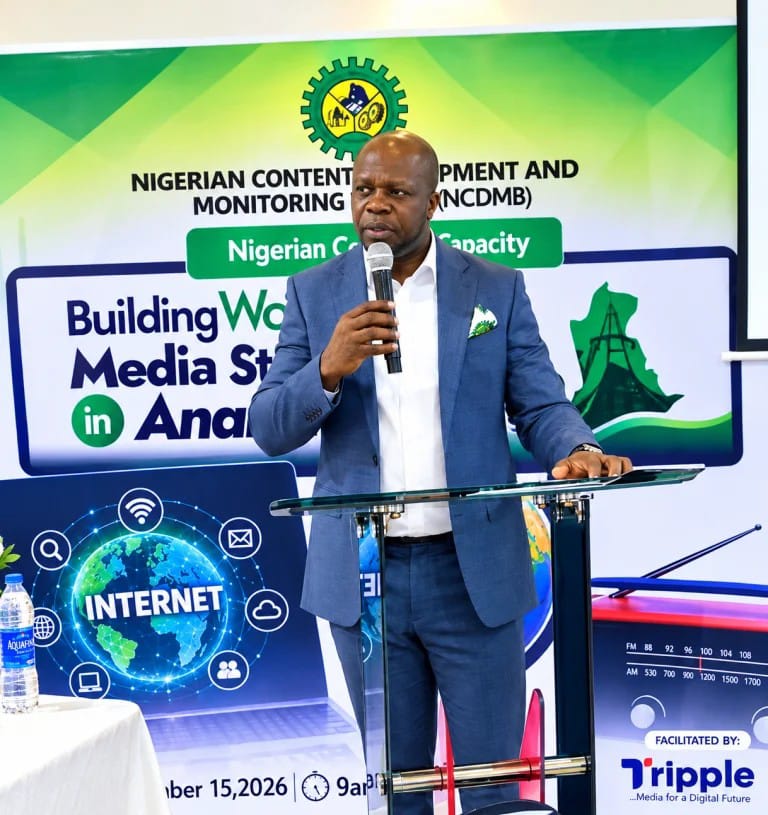
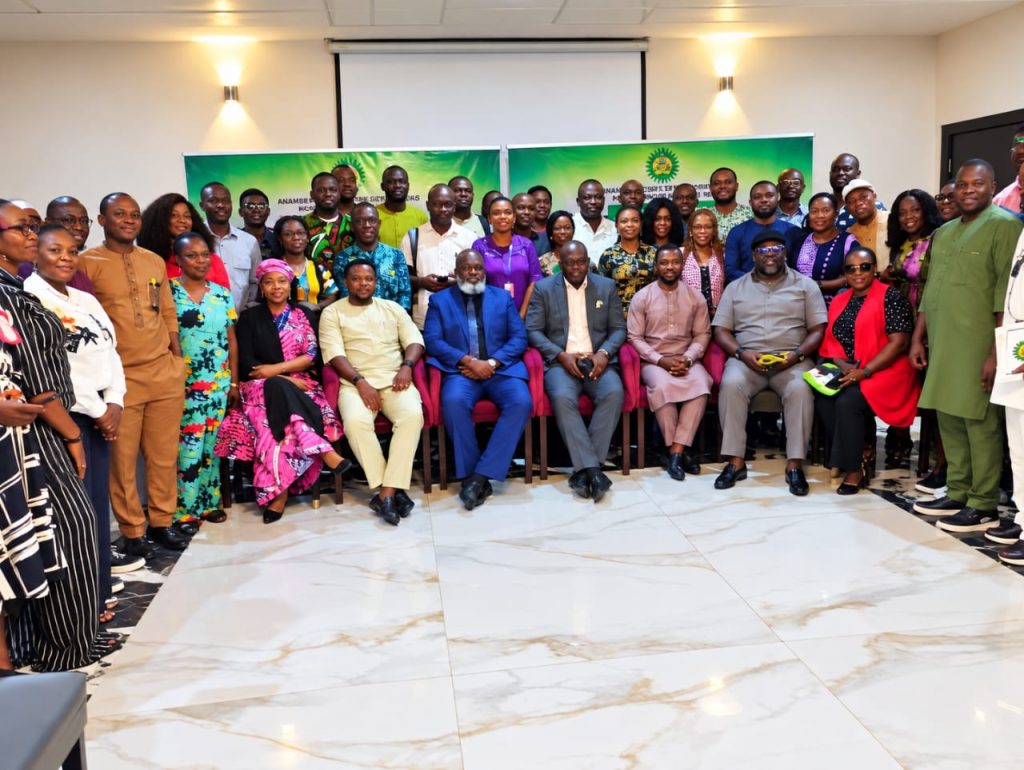
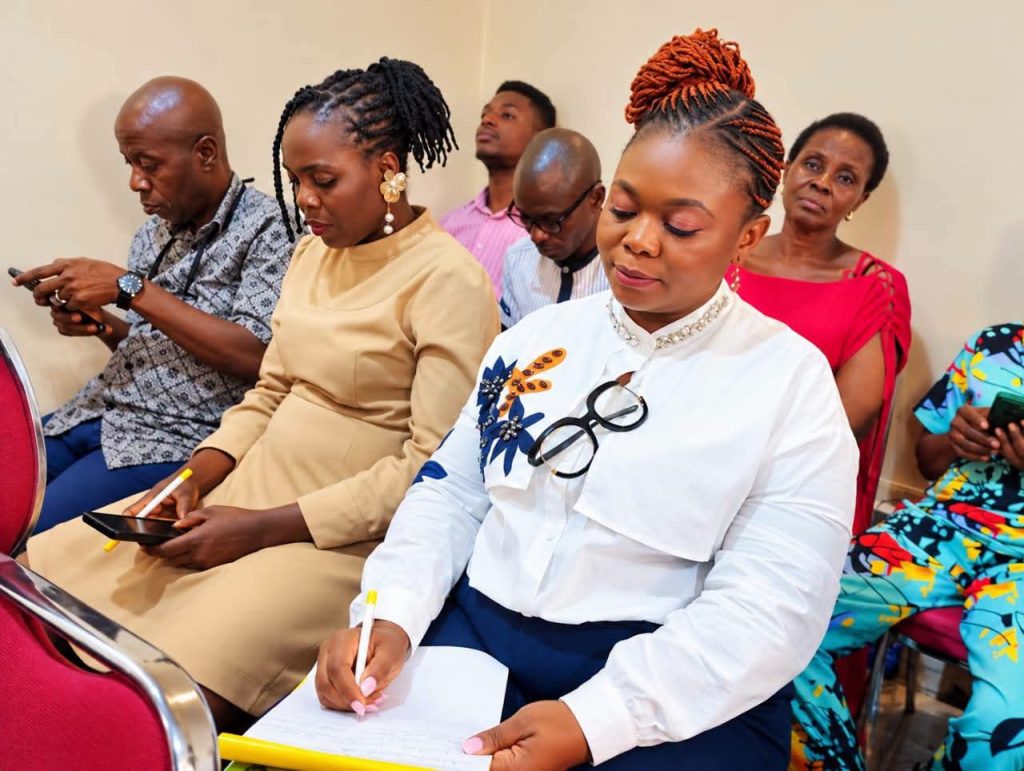
The Board made the call on Thursday, 15 October, during its first Nigerian Content Capacity Building Workshop for Media Stakeholders in Awka, Anambra State.
The workshop was organised to deepen journalists’ understanding of the Nigerian Oil and Gas Industry Content Development Act, 2010, and strengthen their capacity to report on opportunities available to indigenous businesses, professionals and host communities.
READ ALSO: NCDMB Presses Oil Firms to Deepen Host Community Development
The NCDMB’s General Manager, Corporate Communications, Dr Obinna Ezeobi, described the media as a critical partner in advancing Nigerian content, noting that effective communication and stakeholder engagement had contributed to implementing the policy since the Board’s establishment in 2010.
Ezeobi explained that the workshop was designed to improve journalists’ understanding of the Board’s mandate, programmes and achievements, particularly in reporting technical issues affecting the industry.
He said the Nigerian content policy was designed to strengthen indigenous businesses, develop the technical skills of Nigerian professionals, expand local manufacturing capacity and retain more economic value within the country.
Ezeobi described Anambra as an important location for the workshop because of its growing presence in the oil and gas industry, including an estimated initial crude oil production capacity of about 3,000 barrels per day and the presence of major indigenous operators.
He urged journalists to inform the public about available opportunities, highlight issues requiring government intervention and hold industry operators accountable for meeting their local content obligations.
The NCDMB official stressed that effective communication and stakeholder engagement remained essential to implementing Nigerian content policies.
He noted that journalists had a responsibility to examine whether oil and gas development was translating into opportunities for local businesses, employment for qualified Nigerians and improved living conditions in host communities.
Ezeobi also challenged journalists to investigate the challenges limiting Anambra’s ability to harness its gas resources for economic development.
He urged the media to examine barriers to accessing the resources, the infrastructure and investment required, and the roles of government institutions and private-sector operators in addressing the challenges.
Ezeobi maintained that accurate and in-depth reporting would help citizens understand available opportunities while ensuring that public institutions and industry operators were held accountable.
In his goodwill message, Anambra State Governor, Professor Chukwuma Soludo, called for improved access to the state’s gas reserves to drive industrialisation and power generation.
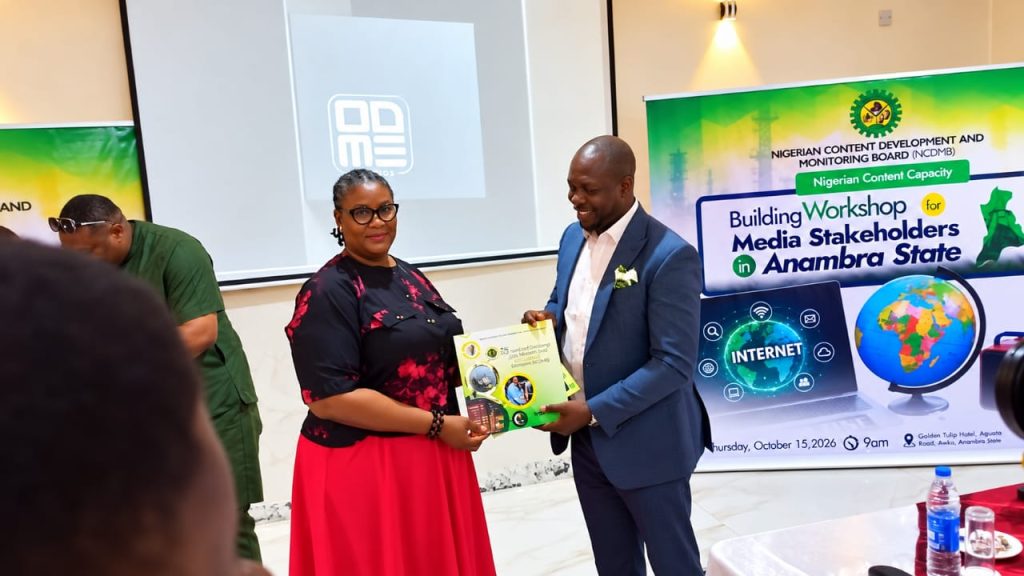
The governor, represented by the State Commissioner for Information and Value Reorientation, Dr Law Mefor, said Anambra had an estimated 30 trillion cubic feet of natural gas, representing about 15 per cent of Nigeria’s total reserves.
He expressed concern that the state had yet to fully benefit from its gas resources, attributing the situation partly to its exclusion from the country’s gas development plans.
Mefor said the state needed greater access to its resources to support industrial development, describing the situation as a challenge to its economic ambitions.
He noted that recent constitutional changes allowing states to participate more actively in electricity generation, transmission and distribution had created opportunities for Anambra to develop its power sector.
According to the commissioner, access to gas would be critical to generating electricity, powering industries and potentially supplying excess power to other states.
He said the Soludo administration was committed to transforming Anambra into a smart mega city and a preferred destination for living, working, investment and recreation, driven by the private sector.
Mefor also called for a review of Nigeria’s education system to align it with changing labour market demands.
He stressed that the country needed graduates equipped to create businesses and employment rather than depend solely on existing jobs.
The commissioner urged the NCDMB to ensure that its training programmes developed skilled manpower capable of meeting industry needs and supporting Nigeria’s transition from a consumption-driven to a production-oriented economy.
Responding, Ezeobi expressed the Board’s willingness to establish a stronger presence in the South-East and sustain collaboration with the media beyond the workshop to improve reporting on Nigerian content.
He urged individuals and businesses seeking opportunities in the oil and gas industry to register on the Nigerian Oil and Gas Industry Content Joint Qualification System portal, where companies and professionals could access relevant industry opportunities.
Ezeobi reiterated that Nigerian content was intended to benefit all Nigerians, not only residents of oil-producing states or the Niger Delta.
He said the Board had implemented training programmes targeting thousands of Nigerians in 10 areas considered vital to the sustainability of the industry.
He added that journalists needed a better understanding of these initiatives to inform the public about opportunities across the oil and gas value chain and strengthen scrutiny of local content policy implementation.
The workshop featured discussions on Nigerian content and community development, alongside sessions aimed at improving professional reporting and helping journalists develop stories capable of competing for national awards.
Participants commended the NCDMB for bringing the capacity-building initiative to the South-East and called for more engagements to deepen journalists’ understanding of industry policies and developments.