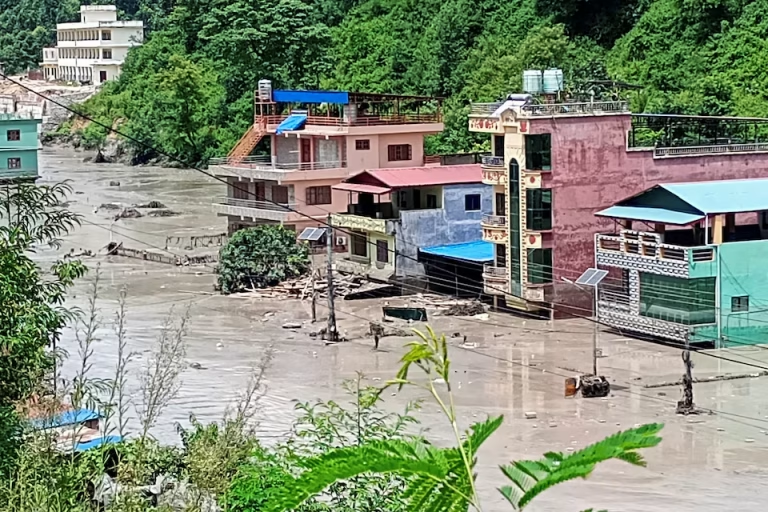
The death toll from a devastating flash flood along Nepal’s border with China’s Tibet region has risen to at least 469, with nearly 1,000 people still missing, as rescue operations face fresh danger from a landslide-dammed lake that has begun overflowing.
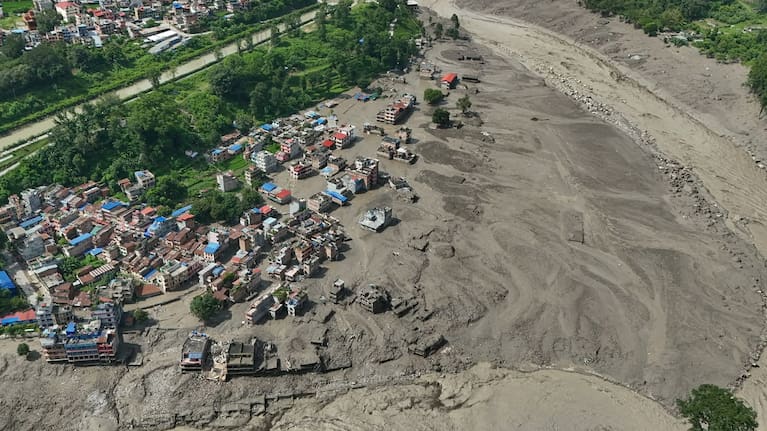
The disaster struck Nepal’s Rasuwa district after a massive collapse of ice and rock triggered a torrent of water, mud and debris along the Lhende Khola and Bhote Koshi river systems.
The flooding swept away villages, roads, bridges, homes and hydropower installations, while severely damaging the Rasuwagadhi border area linking Nepal with Tibet.
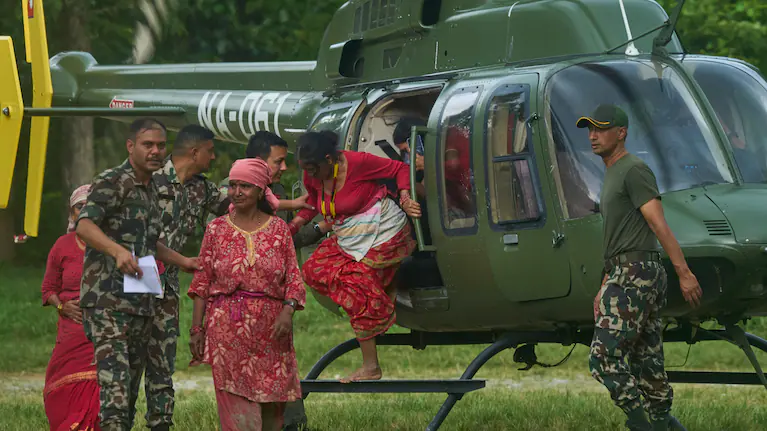
Nepal has deployed helicopters, soldiers and police in search-and-rescue operations, but the effort has been hampered by damaged roads, difficult mountain terrain and dangerous water levels.
A newly formed barrier lake created by debris from the disaster began overflowing on Friday, prompting authorities to suspend rescue activities temporarily and order people in vulnerable areas to move to higher ground.
The lake had accumulated more than 2.5 million cubic metres of water, raising fears of another destructive surge downstream.
The latest developments are a significant escalation from the initial reports on Wednesday, when authorities confirmed eight deaths and warned that casualties could rise substantially.
At the time, Rasuwa district administrator Narendra Pariyar said: “There could be heavy casualties or loss of property,” district administrator Narendra Pariyar told reporters “But I cannot say for sure now.”
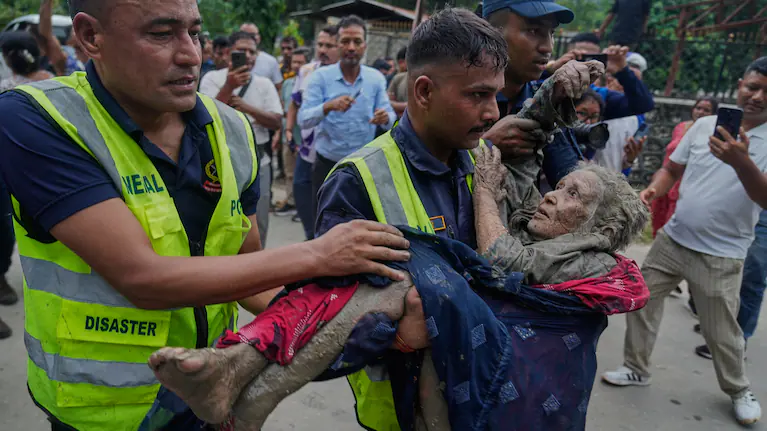
Pariyar had urged residents living along the Bhote Koshi River to move to higher ground after receiving reports that villages and infrastructure project sites had been swept away.
“It all came suddenly,” a witness told the Onlinekhabar portal. “We heard a loud sound, like a volcano erupting. People started to scream and ran away.”
The Nepal Army initially said helicopters could not land in some of the worst-affected areas because of the high floodwaters.
READ ALSO: Flood Kills 8 In Nepal, Disrupts Power Supply
Prime Minister Balendra Shah said police and military personnel had been deployed to support rescue and relief operations.
“Instructions have been given … to move the people living in the lower areas to safer places,” he said. “People along the river are advised to exercise extra caution and remain alert.”
Glacier Collapse Identified As Trigger
Initial reports had said the cause of the flooding was unclear, with authorities considering several possible explanations.
Subsequent geological assessments, however, indicated that the disaster was triggered by the collapse of part of a glacier near Langtang Lirung in the Himalayas.
The collapse sent a massive avalanche of ice and rock into the Lhende Khola river, producing a powerful debris flow that travelled rapidly downstream and caused widespread destruction in both Nepal and Tibet.
Experts have also warned that rising temperatures and changing conditions in the high Himalayas could increase the risk of glacier-related disasters, although the precise contribution of climate change to this particular event remains under assessment.
Power Supply Disrupted
The disaster has also dealt a major blow to Nepal’s electricity infrastructure.
Nepal’s Energy Ministry initially estimated that about 430 megawatts of electricity supply had been affected, mainly because of damage to hydropower projects.
The disruption represented more than 12 per cent of Nepal’s approximately 3.2-gigawatt hydropower capacity at the time of the initial assessment.
Roads, communications networks and border infrastructure have also suffered extensive damage, leaving some communities difficult to reach.
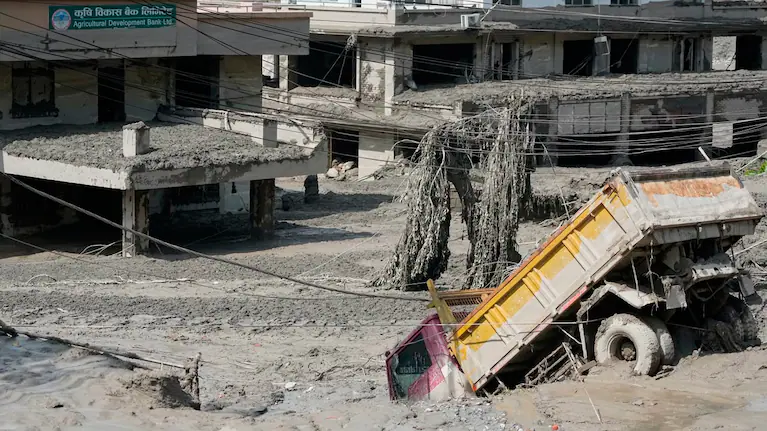
On the Chinese side, the mudslide severely damaged facilities around the Gyirong border port, disrupting roads, communications and electricity supplies in the Shigatse region.
READ ALSO: Nigeria Commiserates with Nepal Over Deadly Flash Floods
Chinese authorities have launched search-and-rescue operations and increased monitoring for further hazards. President Xi Jinping ordered intensified efforts to locate missing people and called for stronger disaster monitoring and early-warning systems.
Rescue Efforts Continue
Nepal continues to coordinate search and rescue operations through its security agencies, while authorities monitor the threat posed by the overflowing barrier lake and possible further landslides.
The growing death toll and large number of missing people have made the disaster one of the most severe natural catastrophes to hit the region in recent years.
Authorities have warned residents in downstream areas to remain alert and evacuate to safer, higher ground if instructed.
The Bhote Koshi River originates in Tibet and flows into Nepal’s Trishuli River, which eventually enters India as the Gandak River.
The disaster also comes a year after a major flood on the same river killed nine people, left 24 missing and destroyed a bridge linking Nepal and China. That earlier disaster was later attributed to the draining of a supraglacial lake in Tibet.
Rescue teams are continuing to search for survivors and missing persons while authorities assess the full scale of the destruction.