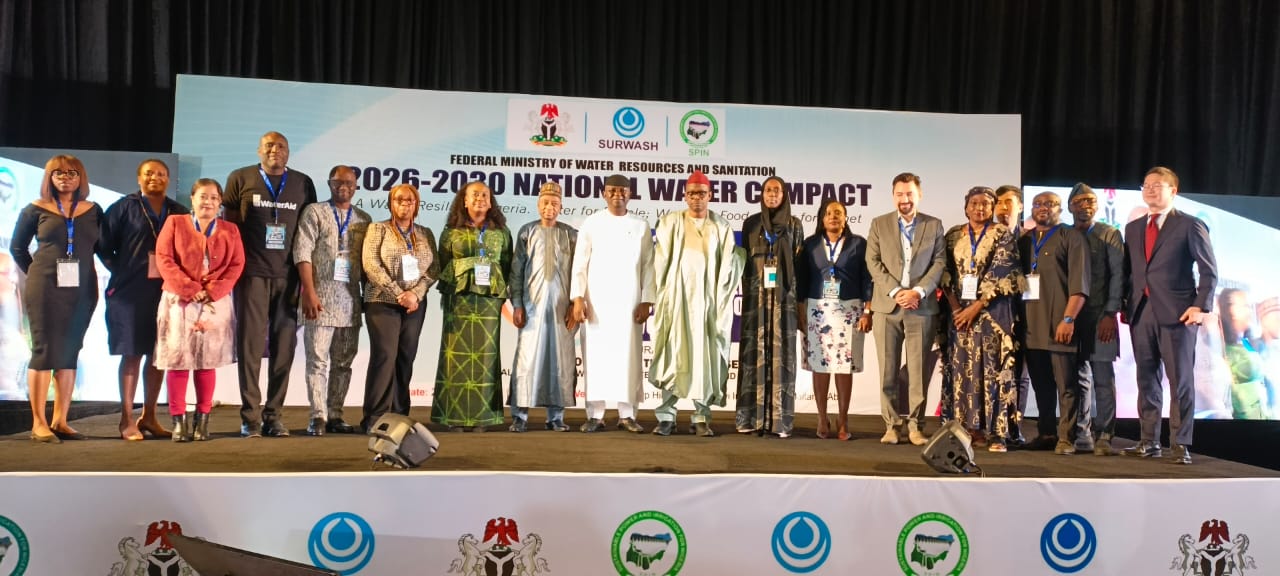
The Nigerian Government has commenced nationwide consultations to develop a National Water Compact aimed at strengthening water security, improving access to safe water and sanitation, and advancing irrigation and environmental sustainability across the country.
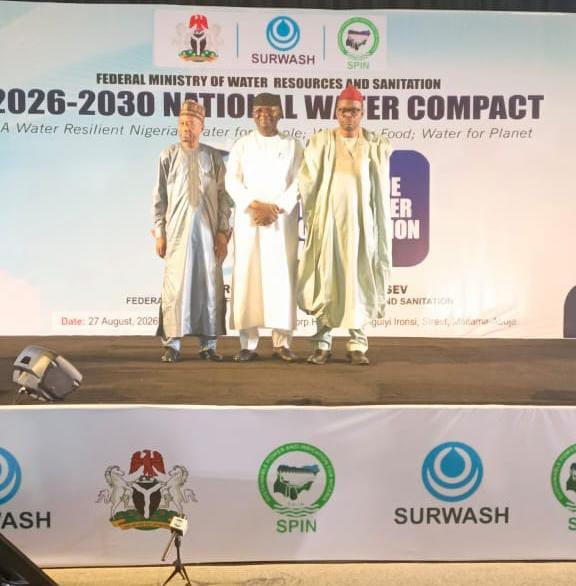
The Minister of Water Resources and Sanitation, Mr Joseph Terlumun Utsev, said this on Thursday in Abuja at the nationwide stakeholders’ consultation workshop for the development of the Nigeria National Water Compact.
Utsev said the initiative was necessary to address persistent challenges confronting Nigeria’s water sector, including rapid urbanisation, population growth, climate change, environmental degradation, inadequate infrastructure, fragmented institutional arrangements and financing constraints.
READ ALSO: Nigerian Government Launches $1bn Social Protection Project
According to the Minister, the challenges have continued to undermine the country’s capacity to provide reliable water supply, sanitation services and productive water use across the country.
“Water is at the center of sustainable development. It underpins public health, food security, economic growth, environmental sustainability, energy production and national security.” He said.
He said the National Water Compact was being developed in line with the Renewed Hope Agenda of President Bola Ahmed Tinubu and would provide a coordinated framework for transforming Nigeria’s water sector.
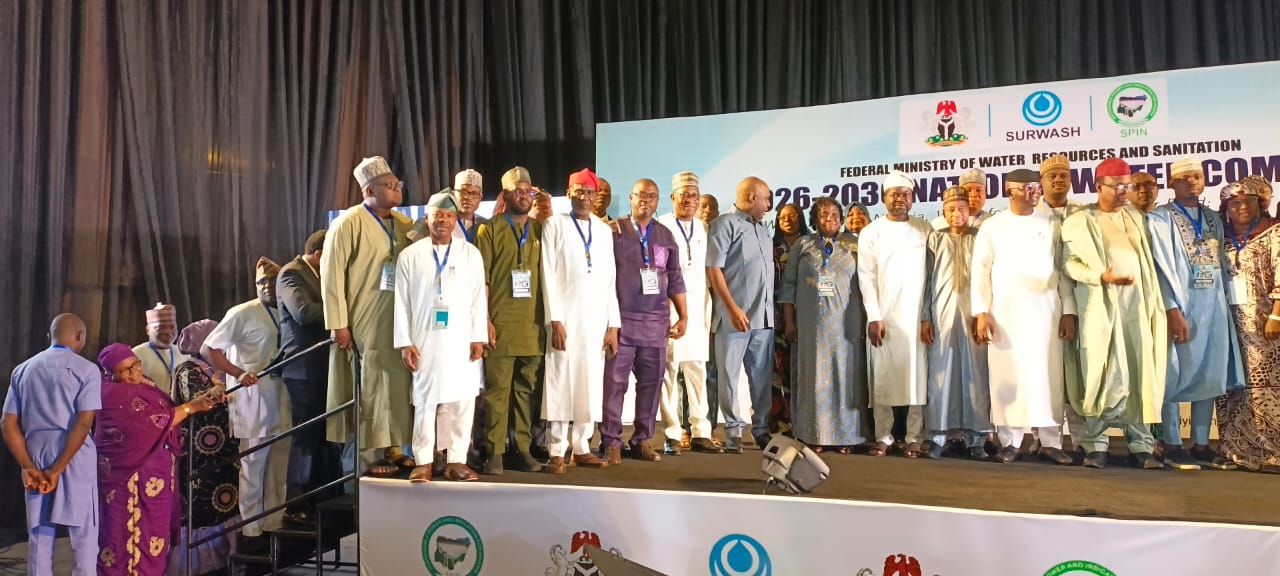
“The National Technical Working Committee, comprising representatives of federal ministries, departments and agencies, state governments, development partners, academia, professional bodies, civil society organisations and the private sector, had completed the first draft of the Compact. The draft was the product of months of technical engagements, evidence-based analysis, inter-sectoral collaboration and strategic consultations,” he added.
The Acting Permanent Secretary of the Ministry, Engr. Ali Ibrahim Dalla said the success of the proposed National Water Compact depends on broad ownership by stakeholders and a coordinated response to the country’s water security challenges.
“Today’s consultation is particularly important because the National Water Compact must not be seen as a document belonging to the Federal Ministry alone. It must be seen as a national document owned by all stakeholders and responsive to the realities and priorities of Nigerians.”
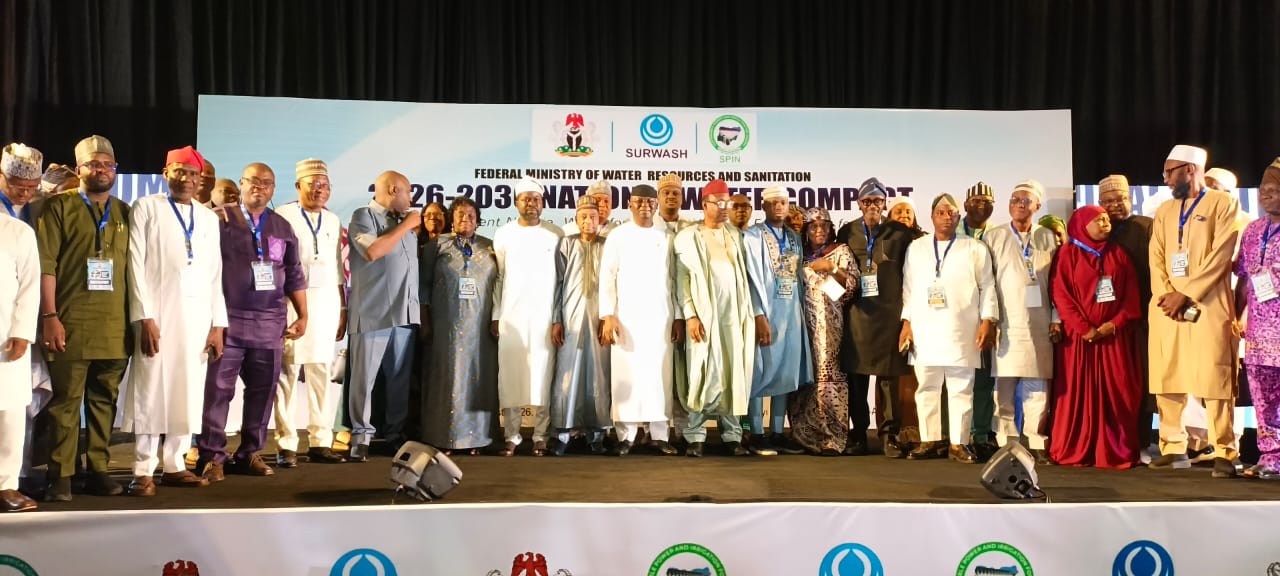
In his remarks, the Minister of State for Health and Social Welfare, Iziaq Salako, says investment in water and sanitation should be treated as a critical investment in disease prevention and health promotion, warning that inadequate access to safe water and sanitation undermines public health and healthcare delivery.
“Water is essential for hygiene, prevention and control, cleaning, sanitation, and dealing with diseases. As a sector, therefore, this compact is critical to bridge the gap between water governance and quality health care delivery,” Salako said.
He also called for equitable water governance systems that protect vulnerable and underserved populations, saying the National Water Compact provides an important platform for strengthening collaboration across sectors and levels of government.