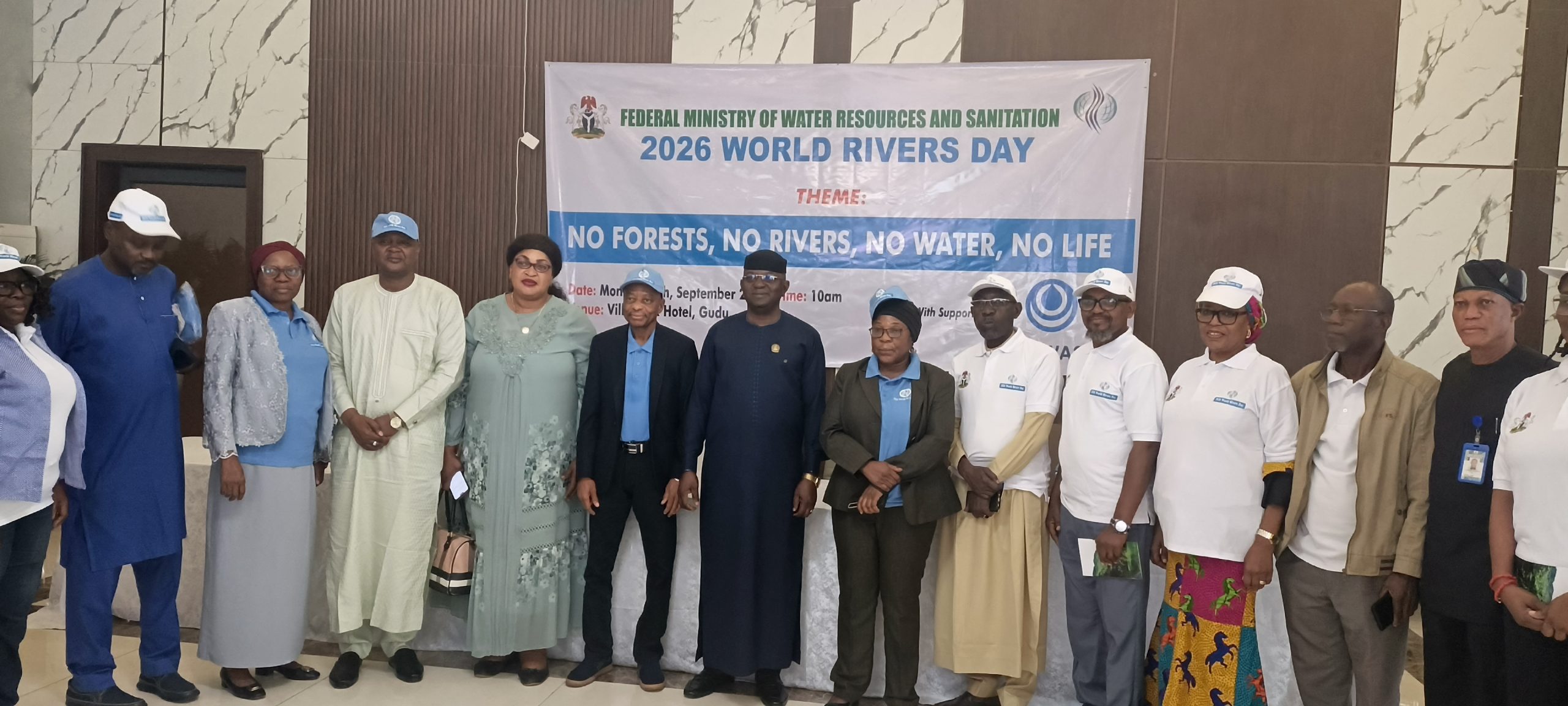
Nigeria has called for stronger protection of rivers, forests and watersheds as it commemorates the 2026 World Rivers Day, warning that pollution, poor sanitation, deforestation and climate change are placing increasing pressure on the country’s water resources.
The Minister of Water Resources and Sanitation, Joseph Utsev, made the call on Monday in Abuja at a ceremony marking the annual event, held under the theme, “No Forests, No Rivers, No Water, No Life.”
Utsev said the theme highlights the interconnectedness between healthy ecosystems and sustainable water resources, stressing that rivers remain critical to Nigeria’s food security, public health, livelihoods, industry and economic development.
“From the River Niger and River Benue to the many rivers, streams, wetlands and tributaries that traverse our states and communities, Nigeria’s water resources are a shared national heritage and a responsibility that belongs to all of us,” the minister said.
READ ALSO: Rivers State to Commission 10 Development Projects
He observed that Nigeria’s rivers were facing growing pressure from population growth, rapid urbanisation, untreated wastewater, indiscriminate dumping of solid waste, agricultural runoff, erosion and sand mining, alongside the effects of climate change.
“These challenges require us to move from a fragmented approach to a more integrated and sustainable management of our watersheds and water resources,” Utsev stated.
The minister said the Nigerian Government was strengthening Integrated Water Resources Management and improving its capacity to collect and analyse data on rainfall, river flows, groundwater and water quality.
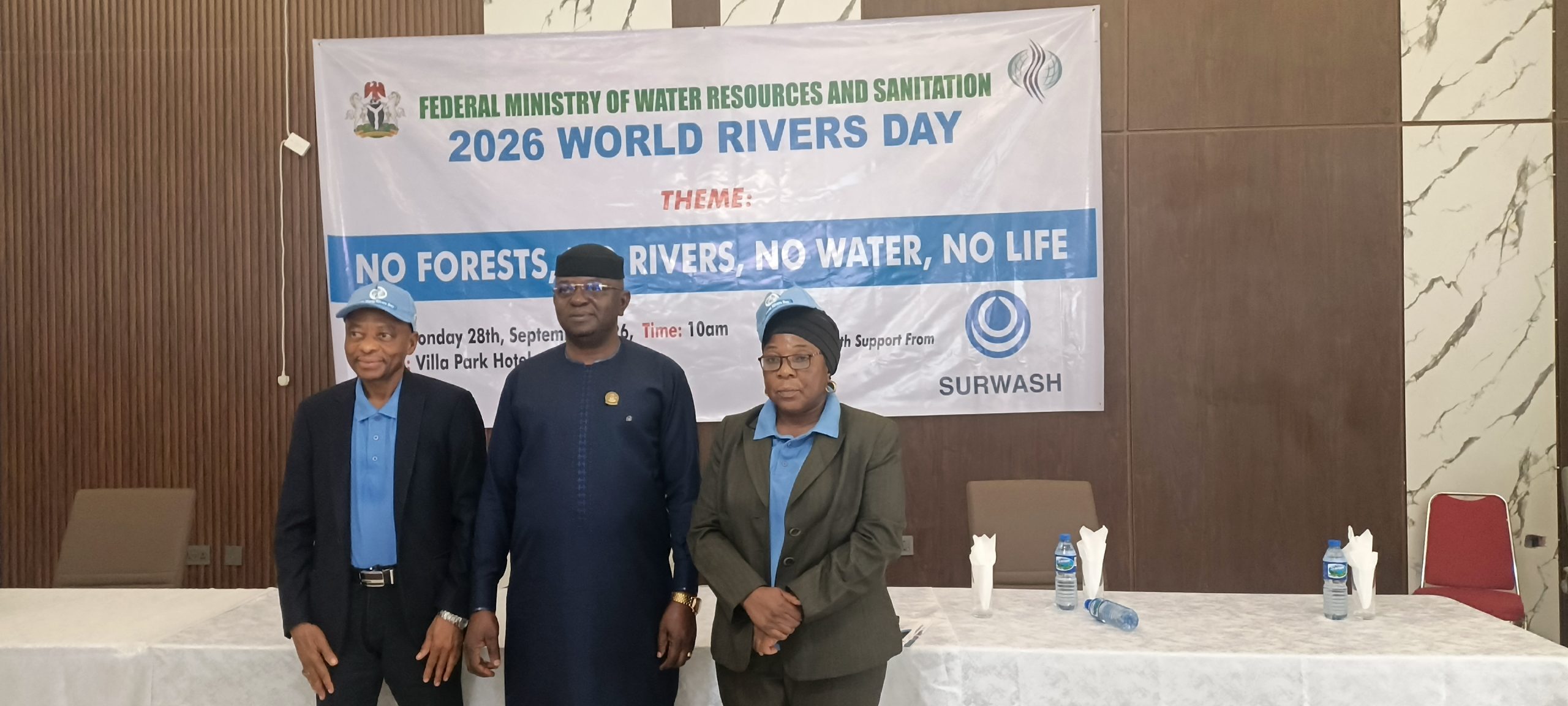
He disclosed that the government’s Clean Nigeria Campaign had recorded progress, with 179 Local Government Areas validated as Open Defecation Free and more than 5,238 public sanitation facilities supported nationwide.
Utsev called on the media to intensify public awareness campaigns aimed at changing behaviours and protecting the country’s rivers and water sources.
He also appealed for greater community participation in river management, noting that local communities possess valuable knowledge about water sources and environmental changes and should be involved in the design, implementation and monitoring of water-resource programmes.
“The future of our rivers will be secured not by the government alone, but by a generation of young Nigerians who refuse to watch them die,” the minister added.
The Director overseeing the Office of the Permanent Secretary, Ministry of Water Resources and Sanitation, Engr. Ali Ibrahim Dallah, said rivers support domestic water supply, agriculture, industry, biodiversity and livelihoods, making their protection essential to Nigeria’s water and food security.
Dallah stressed that safeguarding river systems was critical to sustaining economic activities, preserving ecosystems and ensuring reliable water supplies for present and future generations.
He said the ministry chose the Wupa River along Kuje Road for this year’s celebration to provide an opportunity for practical engagement on the need to protect and restore waterways and their surrounding ecosystems.
The Director of River Basin Operations and Inspectorate in the ministry, Engr. Christy Oduh, urged young Nigerians to become champions of environmental stewardship.
“The rivers we protect today will determine the quality and availability of water that future generations will inherit,” Oduh said.