The Nigerian Government is calling for concerted efforts in addressing the rising cases of displacement globally.
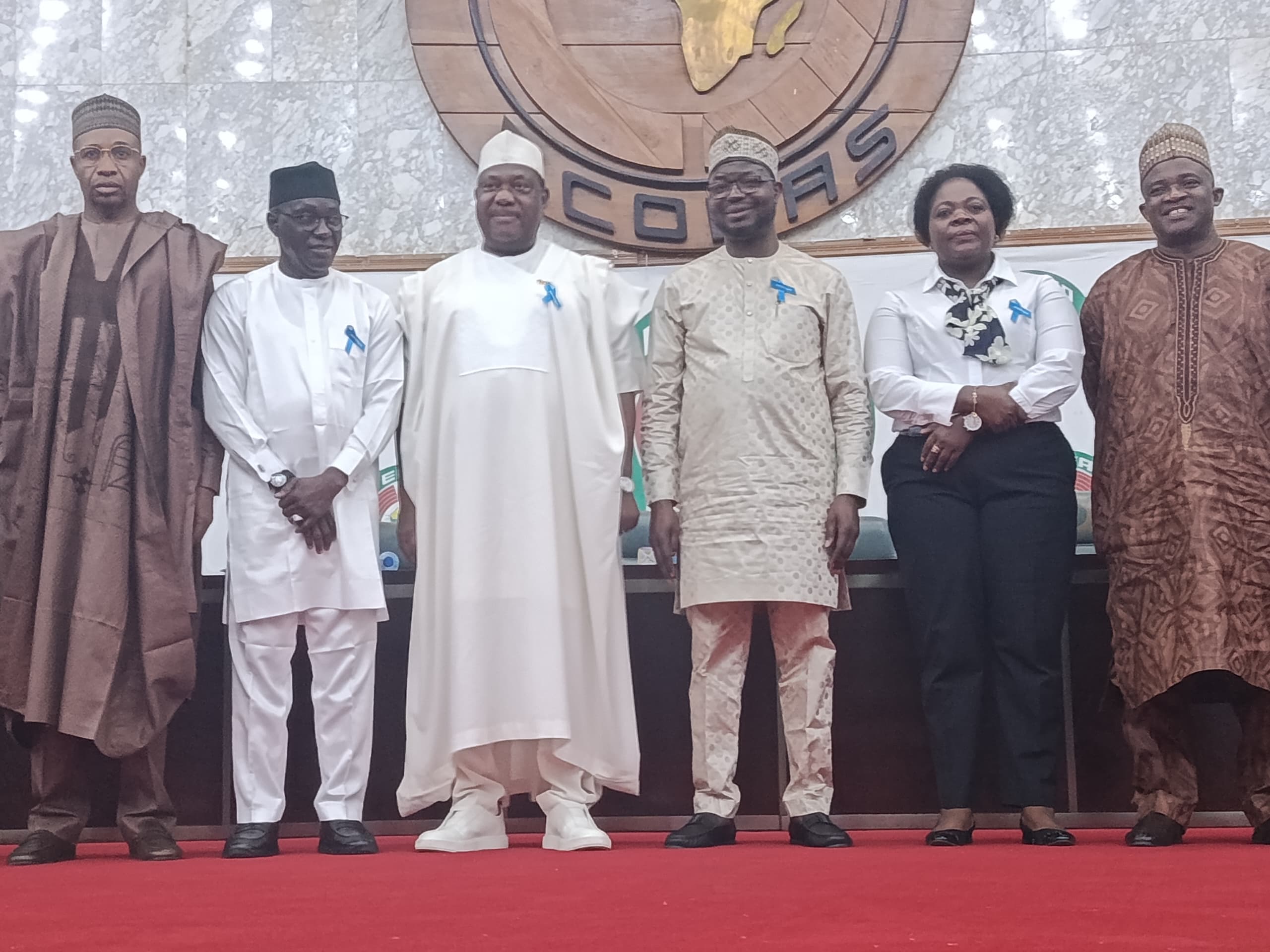
The Secretary to the Government of the Federation, George Akume, made the call at the commemoration ceremony of the 2026 World Refugee Day, held in Abuja, Nigeria.
He said no single institution, government or organisation can address displacement challenges alone.
READ ALSO: World Refugee Day: Nigeria Remains Open to Receiving Refugees
According to him, sustainable solutions require collective action, shared responsibility and meaningful collaboration among governments, international organisations, regional bodies, civil society, the private sector, academia, host communities as well as the displaced persons themselves.
“Most importantly, we must ensure that the voices of refugees, internally displaced persons and other affected populations are heard and integrated into policy design and implementation.”
The SGF noted that those who experience displacement firsthand are not merely beneficiaries of assistance; they are partners in building solutions and agents of resilience, innovation and transformation.
He reaffirmed the government’s unflinching commitment to the protection, welfare, and empowerment of refugees, asylum seekers, and internally displaced persons (IDPs) in line with the Renewed Hope Agenda.
Mr Akume explained that government interventions are increasingly focused on creating sustainable pathways that will enable displaced persons to rebuild their lives and become self-reliant.
“The Federal Government is deliberately shifting from palliatives to pathways by linking humanitarian response to development opportunities. We are committed to ensuring that displaced persons not only survive but thrive through access to livelihoods, agribusiness opportunities, education, and social protection programmes,” he stated.
He noted that the occasion is significant as it coincides with the 75th Anniversary of the 1951 Refugee Convention, a landmark international instrument that laid the foundation for the protection of refugees and established the principles that continue to guide the global response to forced displacement.
“This milestone presents an opportunity not only to celebrate the progress achieved over the decades but also to reflect on the emerging realities of displacement and the collective responsibility required to address them in an increasingly complex world.”
The Minister of Humanitarian Affairs and Poverty Reduction, Dr Bernard Doro, said Nigeria currently hosts over 100,000 persons of concern, primarily from the Lake Chad Basin region, in addition to millions of internally displaced persons, largely in the North East and North Central zones, resulting from insecurity, conflicts, and climate pressures.
According to him, Nigeria’s response has been anchored on three pillars: protection, livelihoods, and durable solutions, leveraging the National Social Register; social protection frameworks — including the National Social Safety Net Programme-Scale Up and the emerging One Humanitarian – One Poverty Response System.
This, he said, is building systems that do not separate humanitarian response from long-term development pathways.
“We are expanding the National Social Register to capture more vulnerable populations, including displaced persons and host communities, ensuring that humanitarian assistance is data-driven, targeted, and dignified.”
“We are also integrating livelihoods programming and agribusiness opportunities into our humanitarian response, because safety without opportunity is incomplete. We want people to not only survive displacement but also graduate out of vulnerability into self-sufficiency.”
The Federal Commissioner, National Commission for Refugees, Migrants and Internally Displaced Persons, Tijjani Aliyu, said the world celebrates the 75th anniversary of the 1951 Refugee Convention; there’s a need for sober reflection on what the next 75 years would be.
“Let it be for shifting from “aid” to “agency”, from camps to communities, from waiting to working.”
He further called on diplomatic partners to keep the doors of resettlement and responsibility-sharing open.
“I call on ECOWAS and AU to let regional integration be our best tool against forced displacement. I call on the private sector and MDAs here today to hire refugee talents. Procure from refugee businesses. Safety grows when livelihoods grow.
And I call on all Nigerians to let hospitality remain our national symbol.”
“To every refugee, asylum seeker, and IDP: We see your courage and resilience. We honour your struggle. And we stand with you. Because our work is not done until everyone is safe,” he noted.
The Theme for the 2026 World Refugee Day is ‘Until everyone is safe’.