Nigeria is developing a framework to attract climate finance for smallholder farmers hit by drought, flooding and other climate-related challenges.
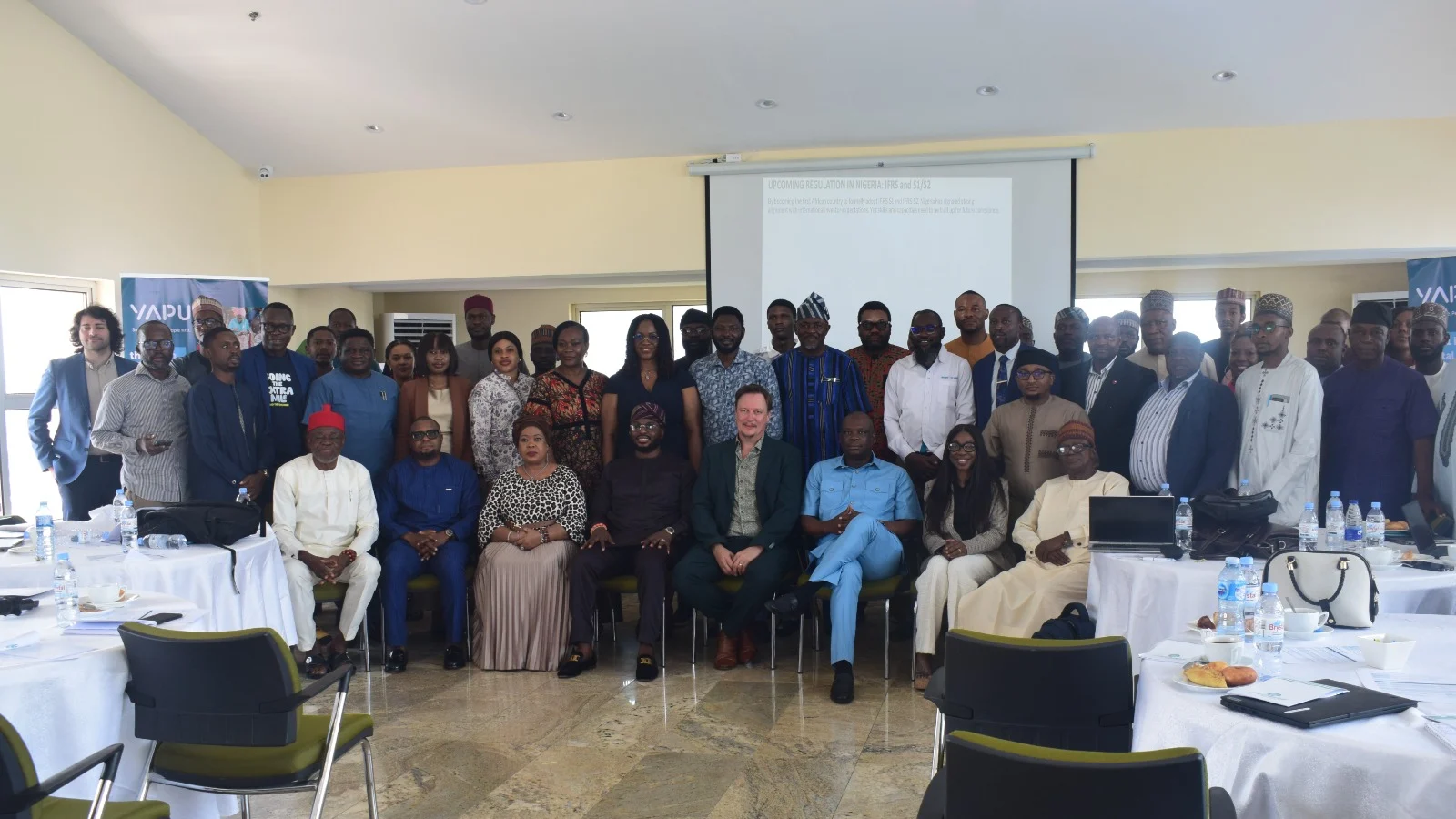
The Chairman of the Presidential Implementation Committee on Technology Transfer (PICTT), Dr. Dahiru Muhammed disclosed this in Abuja, at a Taxonomy Validation Workshop on Adaptation and Resilience Solutions, organised by the committee in collaboration with YAPU Solutions.
He said the workshop was designed to produce an implementation framework for Nigeria’s national taxonomy, which defines the activities eligible for climate finance.
The Federal Ministry of Finance and the United Nations Development Programme are developing the taxonomy, while PICTT and its partners are working to make it operational and accessible to rural communities.
“Having a national taxonomy is good, but without defining which activity qualifies as adaptive or resilient to climate change, there is no way you can access the financing,” Dr. Muhammed said.
READ ALSO: Nigeria Trains Farmers On climate Resilient Practices In Edo State
He stressed that no financing has been assessed yet, as stakeholders are still building the framework and identifying implementing partners.
He also called on federal, state and local governments to work together on climate-related challenges, particularly flooding, through better infrastructure and effective mitigation measures.
On PICTT’s achievements, he highlighted its work in technology transfer, agricultural development and helping entrepreneurs transform research into commercially viable products.
Tailored Financing
The Country representative of WorldFish in Nigeria, Dr Charles Nyangbe, said farmers need financial instruments suited to the different climate risks they face.
Northern Nigeria faces drought, while southern communities contend with flooding and waterlogging, each requiring different adaptation strategies and financing arrangements.
He noted that the taxonomy would help financial institutions design sustainable lending for farmers, adding that climate finance differs from conventional government budgetary allocations, while recommending instruments such as index-based insurance and blended finance.
Dr. Nyangbe urged the government to channel climate funds through commercial banks and other financial institutions, using public money as guarantees to encourage lending to farmers.
“Government should come up with an envelop of funding that is targeted at climate financing, give it to financial institutions, give it to commercial banks so that they can lend,” he said.
He noted that Nigeria has so far attracted about $2.5bn in climate-related financing, which falls far short of estimated needs.
Nyangbe also called for more attention to livestock, fisheries and aquaculture, saying climate finance discussions focus too heavily on crops.
Floods, he said, can destroy fish ponds and aquaculture facilities, causing heavy losses.
$30bn opportunity
The Managing Director of YAPU Solutions, Mr. Christoph Junghleisch, estimated that climate adaptation presents an investment opportunity of up to $30bn a year for smallholder farmers.
He said initial plans could involve a pilot worth $100m to $200m, with the ambition of scaling up to $1bn in a first expansion phase.
He clarified that these are targets, not confirmed funding commitments.
Mr. Junghleisch said digital technology would be central to transparency and accountability, with the proposed system documenting funds reaching smallholder farmers and making transactions auditable.
“What we are focusing on is smart use of technology, optimisation of processes that enable you to document each and every cent, Naira, that you are basically bringing to the smallholder farmers,” he said.
He added that YAPU is engaging development finance partners, including the Bank of Agriculture and the African Development Fund, and seeking private-sector investment.
Government policy, legislation and regulation will be essential, he said, though public funding alone cannot meet the scale required.
The workshop brought together financial institutions, agricultural experts and other stakeholders to validate the taxonomy, identify suitable financing instruments and agree an implementation timeline.