The Nigerian Government says strengthening family planning, maternal and child health, and human capital development is essential to achieving sustainable national development.
It said the country’s rapidly growing population must be transformed into a productive asset rather than a burden
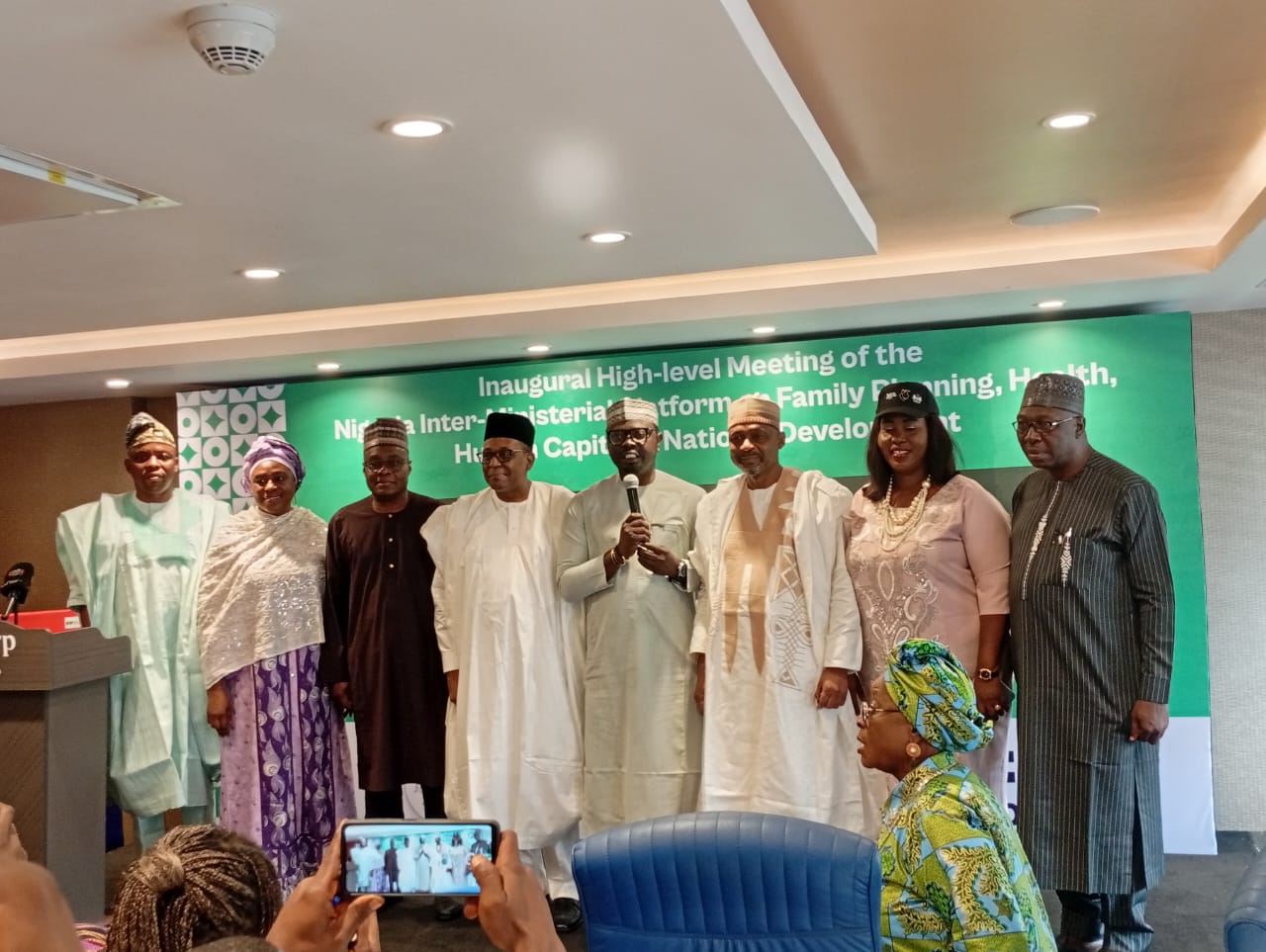
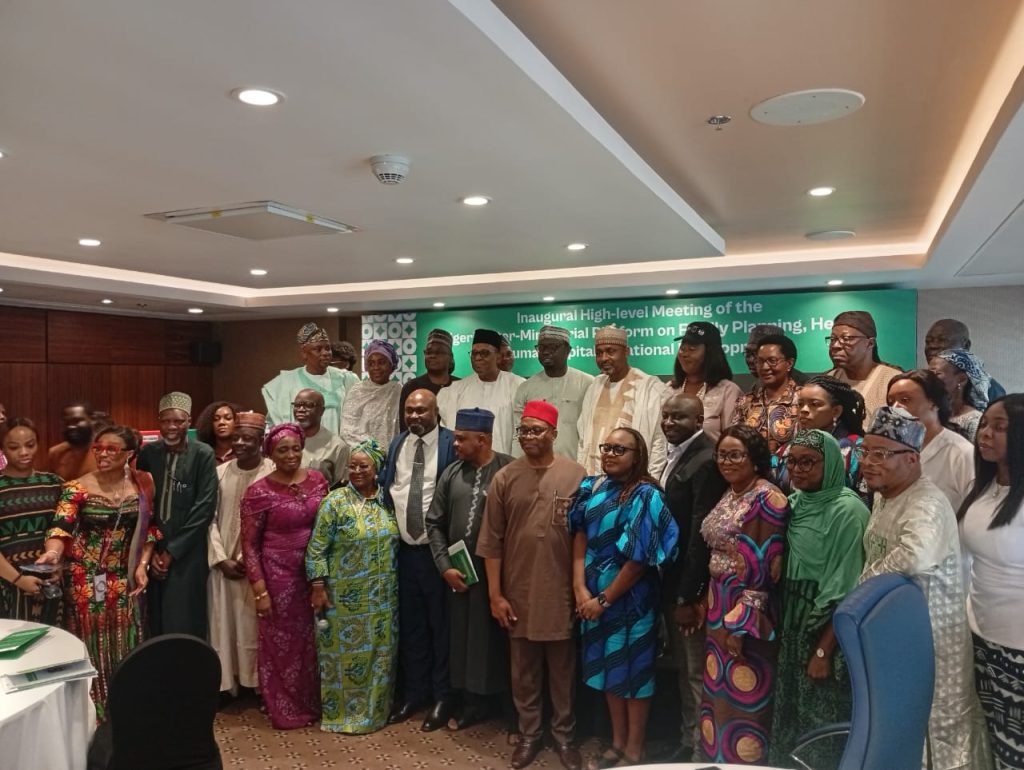
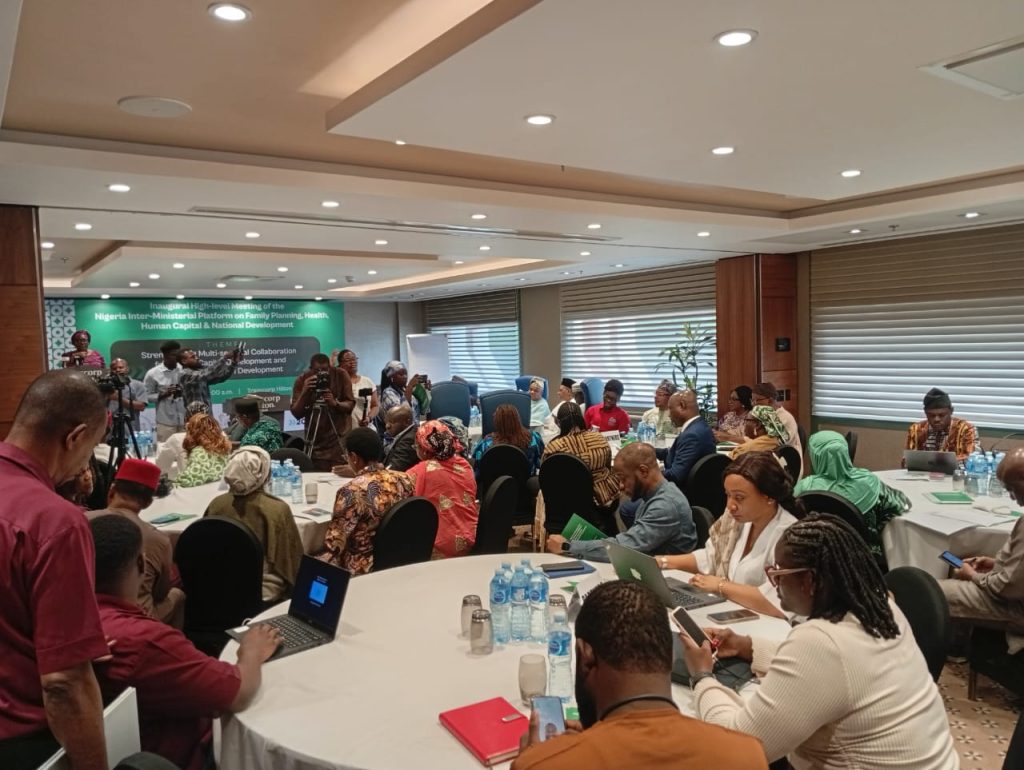
The Coordinating Minister of Health and Social Welfare, Professor Muhammad Ali Pate, stated this at the inauguration of the Inter-Ministerial Platform on Family Planning, Health, Human Capital and National Development in Abuja.
Professor Pate said Nigeria’s estimated population of 230 million, projected to reach between 450 million and 500 million by 2050, presents significant opportunities if supported by sustained investments in healthcare, education and social
“Our people are the most important assets we have. If we fail to invest in them, that population can easily become a liability. Rather, we want a productive population that contributes to the economic development of our country,” he said.
The Minister explained that the new inter-ministerial platform would strengthen collaboration among key ministries to improve reproductive, maternal, newborn and child health services while advancing education, women’s empowerment, youth development and economic planning as part of Nigeria’s human capital agenda.
He also announced plans for the country’s first local production of family planning commodities through a partnership with Bayer, stressing the initiative would “reduce dependence on imports, create jobs and strengthen Nigeria’s pharmaceutical manufacturing capacity.”
“For the first time, there will be a pharmaceutical company able to produce family planning commodities in Nigeria. We can produce here, create jobs for our young people and generate economic value,” he said.
Professor Pate urged state governments, local government councils, development partners and the private sector to translate commitments into measurable action through adequate funding and effective implementation.
“This should not just be a platform for conversations, meetings and minutes, but one that delivers concrete, tangible actions and the resources needed to improve the health and well-being of all Nigerians,” he said.
The Minister of Budget and Economic Planning, Senator Abubakar Bagudu described family planning as a strategic investment in Nigeria’s human capital, saying “improved reproductive health would produce healthier families, stronger communities and sustainable economic growth.”
Senator Bagudu said; “Family planning is not only a public health intervention but also an important investment in Nigeria’s human capital, economic resilience and social development.
“Strategic investments in health are investments in economic growth, poverty reduction and national development.”
The Ministry also reaffirmed its commitment to working with the health sector and other stakeholders to strengthen policy coordination and improve development outcomes.
“We will continue to collaborate and partner with the Ministry of Health and all relevant stakeholders. Human capital development is essential to ensuring Nigeria achieves optimal national development,” the Minister added.
The Minister of Women Affairs, Imaan Sulaiman-Ibrahim, said her ministry remained committed to improving the well-being of women, children and families through policies that expand access to quality healthcare and empower women and girls.
“We remain committed to promoting the well-being of women, children and families. This initiative reflects our collective commitment to advancing family planning, improving health outcomes and strengthening human capital,” Sulaiman-Ibrahim said.
She called on all stakeholders to work together to deliver measurable results for Nigerian families, noting that “the initiative aligns with President Bola Tinubu’s vision of prioritising family and social development.”
“I encourage all stakeholders to work collaboratively. Let us translate our shared vision into measurable action and lasting impact for every Nigerian family,” she added.
The Minister of Youth Development, Ayodele Olawande, said investing in the health of young people is essential to Nigeria’s sustainable development, noting that healthy young people are more productive and better positioned to drive innovation and economic growth.
“For us, this is also a youth development issue. A young person with good health and well-being can learn better, think faster, become more productive and contribute effectively to national development,” he said.
Olawande also stressed that achieving better health outcomes requires collaboration across government, saying the Ministry of Youth Development remains committed to supporting the inter-ministerial platform.
“No single ministry can deliver these outcomes alone. Together, we can improve Nigeria’s health system,” he added.
The Managing Director, North, West and Central Africa Hub of FP2030, Dr Alain Damiba, described family planning as a national development priority, saying investments in reproductive health are essential to building Nigeria’s human capital and future prosperity.
“Health, including family planning, is not the responsibility of the Ministry of Health alone; it is a national development priority.
“Human capital is not built by one ministry; it is built by an entire society working together,” he said.
Dr Damiba commended the Nigerian Government for establishing the inter-ministerial platform, saying it would strengthen collaboration, accountability and evidence-based decision-making across sectors.
He said; “Human capital, including family planning, is a smart investment in Nigeria’s future.
“When Nigeria demonstrates high-level leadership on family planning and human capital, other countries in Africa and beyond will follow.”