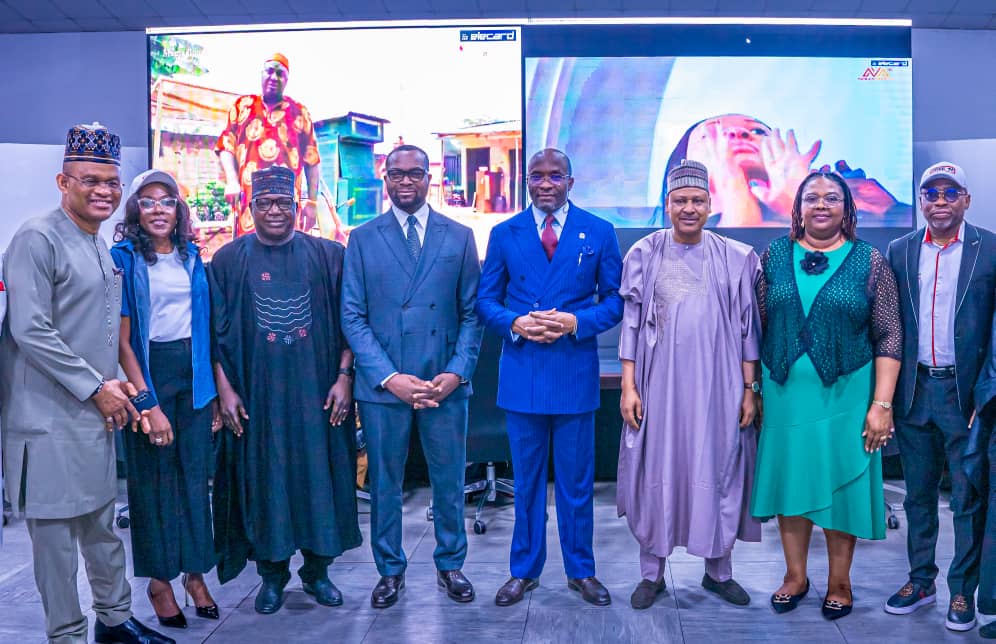
The Federal Government has launched the Digital Switch Over (DSO) Project in Abuja, describing it as a major step towards transforming Nigeria’s broadcasting landscape, expanding digital inclusion and creating new economic opportunities.
The launch brought together key stakeholders from the broadcasting, communications, technology and creative sectors, with government officials emphasising that the initiative aligns with the vision of President Bola Tinubu to build a digitally driven economy.
Speaking at the event, the Minister of Information and National Orientation, Mohammed Idris, said the DSO project goes beyond a broadcasting milestone, describing it as a significant investment in Nigeria’s future and a pathway to a more connected, competitive and prosperous nation.
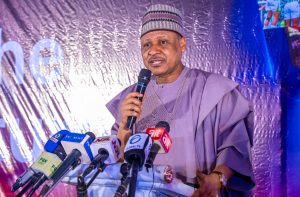
“It is not possible to say that we have a perfect situation, but I am pleased that what we have done today reflects the spirit and vision that President Bola Tinubu has given us. The launch is not merely a broadcasting milestone; it is the beginning of a more connected, more competitive and more prosperous Nigeria,” he said.
According to the minister, the project will expand access to quality broadcasting services across the country while creating jobs and stimulating growth in the creative and technology sectors.
“The Digital Switch Over project is not simply a technological transition. It is an investment in Nigeria’s future. The goal is simple to make quality broadcasting available to more Nigerians than ever before,” Idris stated.
He disclosed that extensive consultations were held with broadcasters, signal distributors, set-top box manufacturers, content producers and regulators before the launch.
“The message from stakeholders is clear: all parties must remain united in their commitment to the successful implementation of the Digital Switch Over programme in Nigeria,” he said.
Also speaking, the Minister of Communications, Innovation and Digital Economy, Dr Bosun Tijani, described the initiative as a critical component of Nigeria’s broader digital transformation agenda.
“Today, we are not merely launching a digital broadcasting platform; we are launching a new national communications architecture. The bigger picture extends far beyond technology. It is a national vision of a Nigeria where every citizen, irrespective of geography, income or social status, enjoys equal access to information, educational opportunities and limitless digital possibilities,” he said.
Tijani noted that the programme would strengthen media plurality, improve spectrum efficiency, empower local manufacturers and position Nigeria as Africa’s leading digital broadcasting market.

He further highlighted ongoing government investments in digital infrastructure, including plans to deploy 90,000 kilometres of fibre-optic network nationwide and the approval of additional satellite infrastructure to expand connectivity.
The Director-General of the National Broadcasting Commission (NBC), Charles Ebuebu, said the digital switchover would improve access to information, educational and cultural content while ensuring that citizens in remote communities are not excluded from quality broadcasting services.
“Today’s event is more than a broadcasting milestone. It is another demonstration of President Bola Tinubu’s commitment to investing in the foundations that will unlock growth for decades to come,” he said.
Ebuebu noted that the DSO project forms part of a broader national digital infrastructure strategy designed to strengthen connectivity, creativity and economic development.
He added that improved broadcasting infrastructure would create greater opportunities for Nigerian content creators, filmmakers, producers and entrepreneurs to reach audiences across West Africa and beyond.
“What you are seeing today is only a glimpse of what is to come,” he said.
The Managing Director of NigComSat, Jane Egerton-Idehen, described the initiative as a nation-building project that extends beyond television broadcasting.
“This switch is not merely a broadcasting upgrade. It is a strategic investment in Nigeria’s infrastructure and a nation-building initiative. We are moving from analogue to digital, from scarcity to abundance, and from restricted access to expanded opportunities,” she said.
Egerton-Idehen added that the project would provide greater opportunities for content creators, broadcasters, investors and millions of Nigerians seeking access to quality digital services.
Meanwhile, the Deputy Speaker of the House of Representatives, Benjamin Kalu, described the digital migration as a transformational step capable of reshaping Nigeria’s economic future.
“This is not simply a migration from analogue to digital broadcasting. It is a developmental threshold that separates nations that consume the future from those that actively shape it,” Kalu said.
He stressed that digital inclusion should be treated as a national development priority, noting that access to digital infrastructure is increasingly linked to education, innovation and economic opportunity.
“The digital divide is no longer a technical gap; it is a development gap,” he stated.
Stakeholders at the event expressed optimism that the Digital Switch Over project would strengthen local content production, improve broadcasting quality, attract investment and position Nigeria as a leader in digital broadcasting across Africa.
The launch marks the beginning of a new phase in Nigeria’s transition to digital broadcasting, with government officials pledging continued support to ensure the successful implementation of the project nationwide.