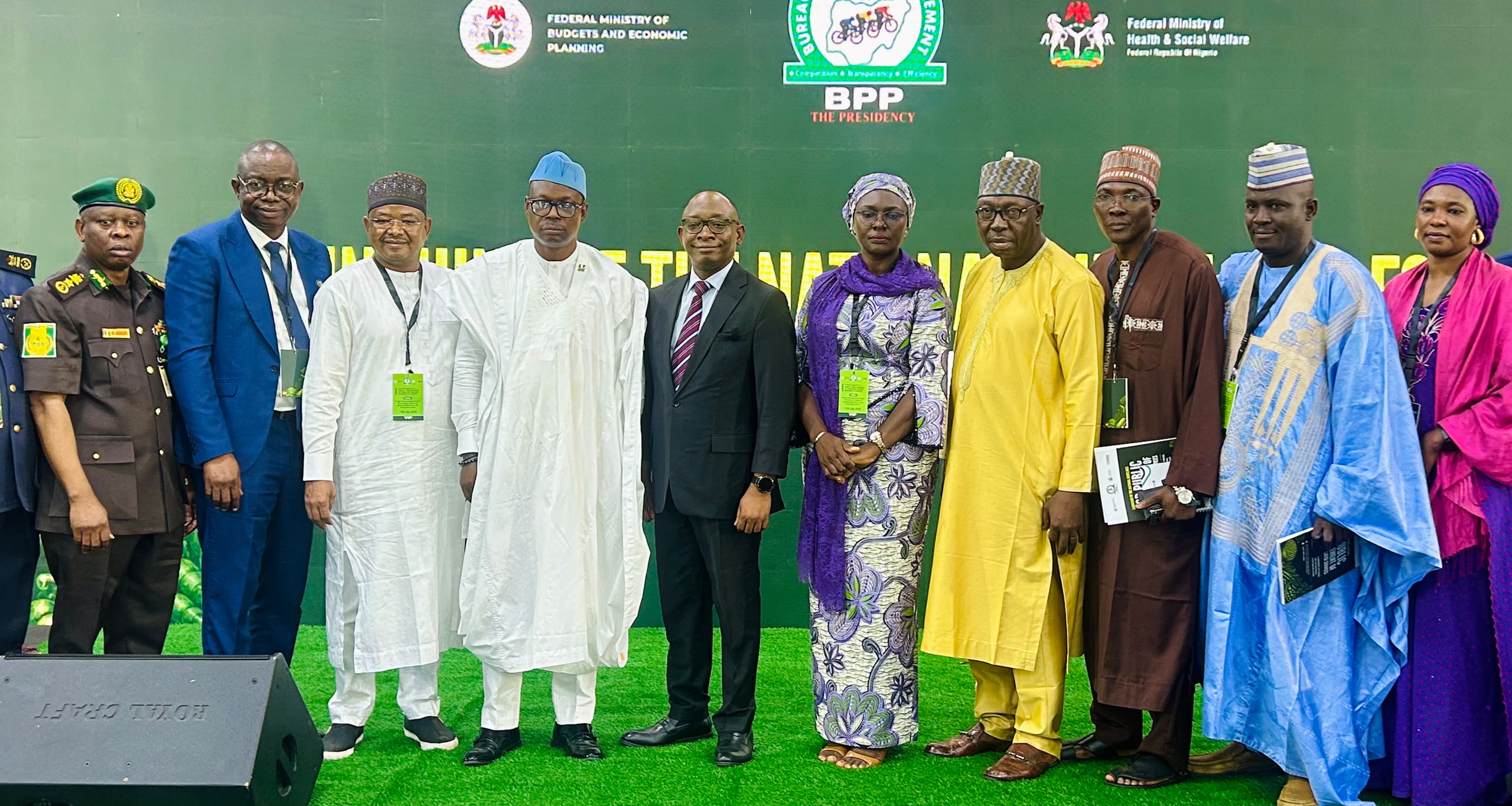
The Nigerian Government has launched the National Guidelines for Public Procurement of Food and Related Services as part of efforts to improve nutrition, strengthen food safety, promote transparency in public spending and support sustainable national development.
Unveiling the framework in Abuja, the Minister of State for Health and Social Welfare, Dr Iziaq Adekunle Salako, said the initiative marks a major step in strengthening governance and public health through strategic public procurement.
Salako said government procurement should no longer be seen merely as a compliance process but as a policy instrument capable of improving health outcomes, strengthening human capital, stimulating economic growth and advancing sustainable development.
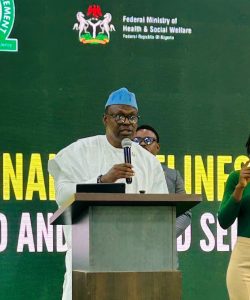
He stated that the Guidelines would reinforce existing nutrition and food safety policies, complement the Nigeria Health Sector Renewal Investment Initiative and contribute to healthier food environments nationwide.
He noted that success would ultimately be reflected in healthier meals served in schools, hospitals, correctional centres, military establishments and other public institutions.
Director-General of the Bureau of Public Procurement (BPP), Dr. Adebowale Adedokun, said the Guidelines demonstrate Nigeria’s resolve to ensure that public expenditure on food delivers value beyond cost by placing greater emphasis on nutrition, food safety and quality.
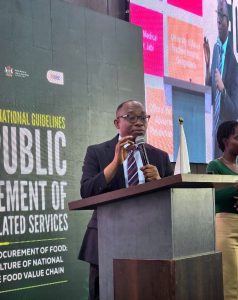
He maintained that the framework aligns with the Federal Government’s Nigeria First Policy by supporting local farmers, food processors and enterprises through responsible sourcing practices across the procurement cycle.
Adedokun pointed out that the Bureau’s responsibility is to harmonise procurement policies rather than implement them, noting that implementation rests with the relevant institutions.
He said the guidelines establish minimum standards for food procurement in hospitals, schools, correctional centres, National Youth Service Corps camps and other public institutions, while requiring contractors supplying food to government establishments to comply with nutritional, hygiene and food safety standards prescribed by relevant regulatory agencies.
While maintaining that the reforms would also reduce unnecessary procurement barriers for small and medium enterprises and ensure quality standards, he observed that poor dietary habits remain significant contributors to cardiovascular disease and other non-communicable diseases in Nigeria.
Adedokun declared that foods likely to promote obesity and hypertension should no longer form part of government food procurement.
Minister of Women Affairs and Social Development, Hajiya Imaan Sulaiman-Ibrahim, represented by Mr. Ali Madugu, described the guidelines as an important step towards strengthening transparency, accountability, quality assurance and value for money in public food procurement. She said the framework would improve nutrition, care and welfare services for women, children, older persons and other vulnerable groups, and reaffirmed the Ministry’s commitment to effective implementation.
Permanent Secretary, Federal Ministry of Health and Social Welfare, Kachollom Daju, described the guidelines as a public health intervention and pledged that all ministry-funded programmes and institutions would prioritise safe, nutritious and healthy foods in line with national standards.
Also speaking, Resolve to Save Lives Executive Director Dr. Nanlop Ogbureke described the document as a transformative policy instrument that places health considerations at the centre of public food procurement and urged effective implementation to foster healthier food environments and better health outcomes.
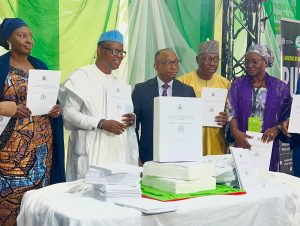
Representing the Nigerian Heart Foundation, Dr Davis Omotola welcomed the initiative as a timely response to the absence of a comprehensive national framework for food procurement in public institutions. He reaffirmed the Foundation’s commitment to supporting implementation through advocacy, technical collaboration, public awareness and partnerships aimed at promoting healthier food choices across government institutions.
The guidelines were developed through collaboration involving the Federal Ministries of Budget and Economic Planning and Health and Social Welfare, the Bureau of Public Procurement, Resolve to Save Lives, academia and other stakeholders.
They are expected to strengthen Nigeria’s food value chain, promote demand for safer and more nutritious locally sourced foods and improve the quality of meals served across public institutions.