

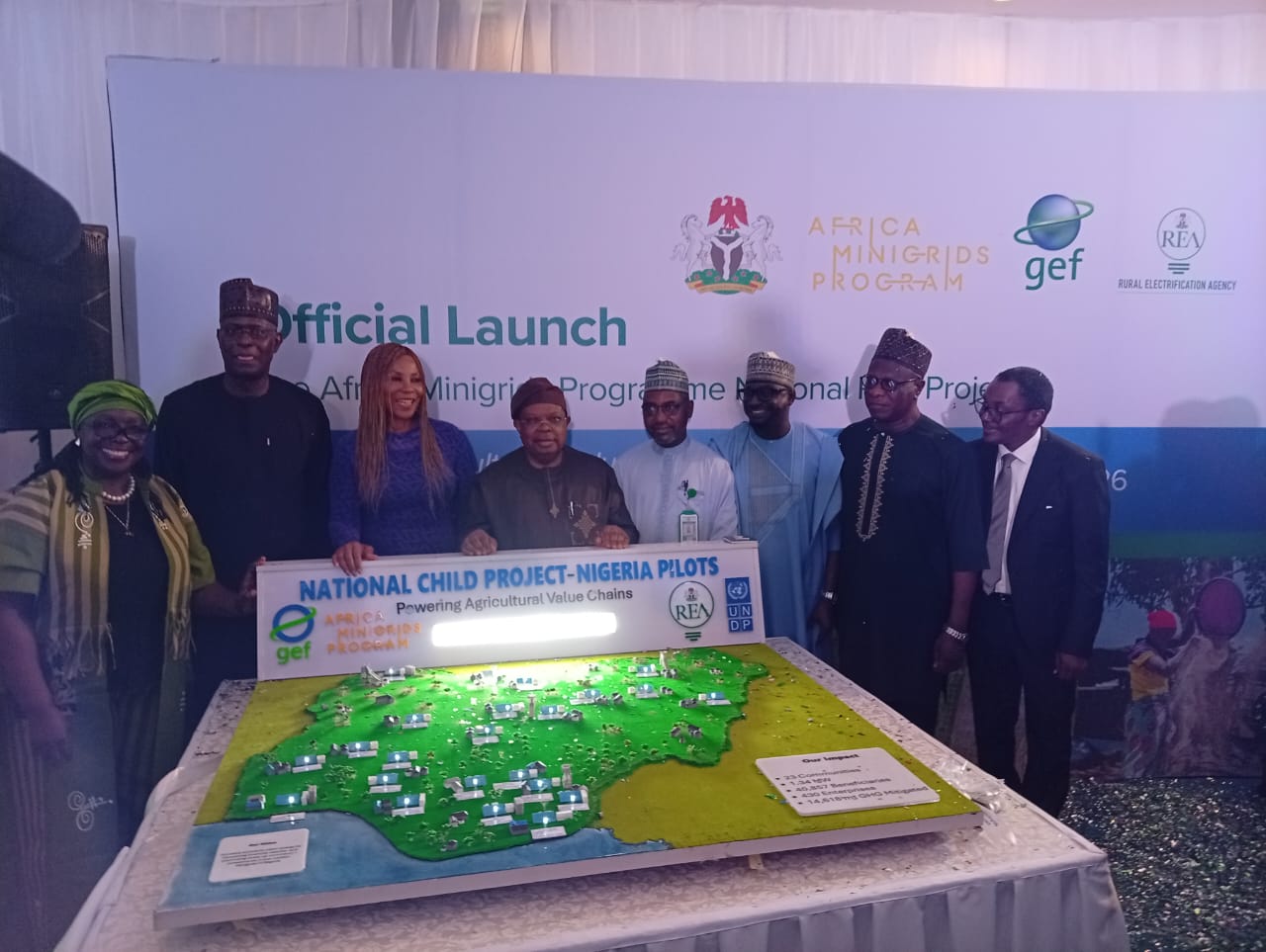
Nigeria has launched the Africa Minigrids Programme (AMP), a landmark renewable energy initiative aimed at expanding electricity access to underserved communities, stimulating rural economies and accelerating the country’s transition to clean energy.
Speaking at the programme’s launch in Abuja, the Minister of Power, Mr. Joseph Tegbe, described the initiative as a practical demonstration of what can be achieved through strong collaboration between government, development partners, the private sector and local communities.
According to him, “the programme represents more than the commissioning of mini-grid infrastructure, saying it is a catalyst for economic transformation and improved livelihoods.”
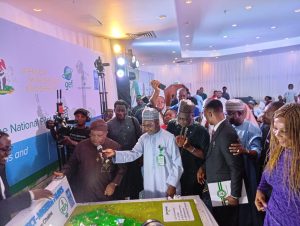
“This programme represents the power of partnership, innovation and our shared commitment to expanding sustainable energy across Nigeria. It marks the transformation of communities, the improvement of livelihoods and the revitalisation of local economies,” the Minister said.
Tegbe commended the Rural Electrification Agency (REA), the United Nations Development Programme (UNDP), the Global Environment Facility (GEF) and other development partners for bringing the initiative to fruition, noting that many development programmes often fail to move beyond the planning stage.
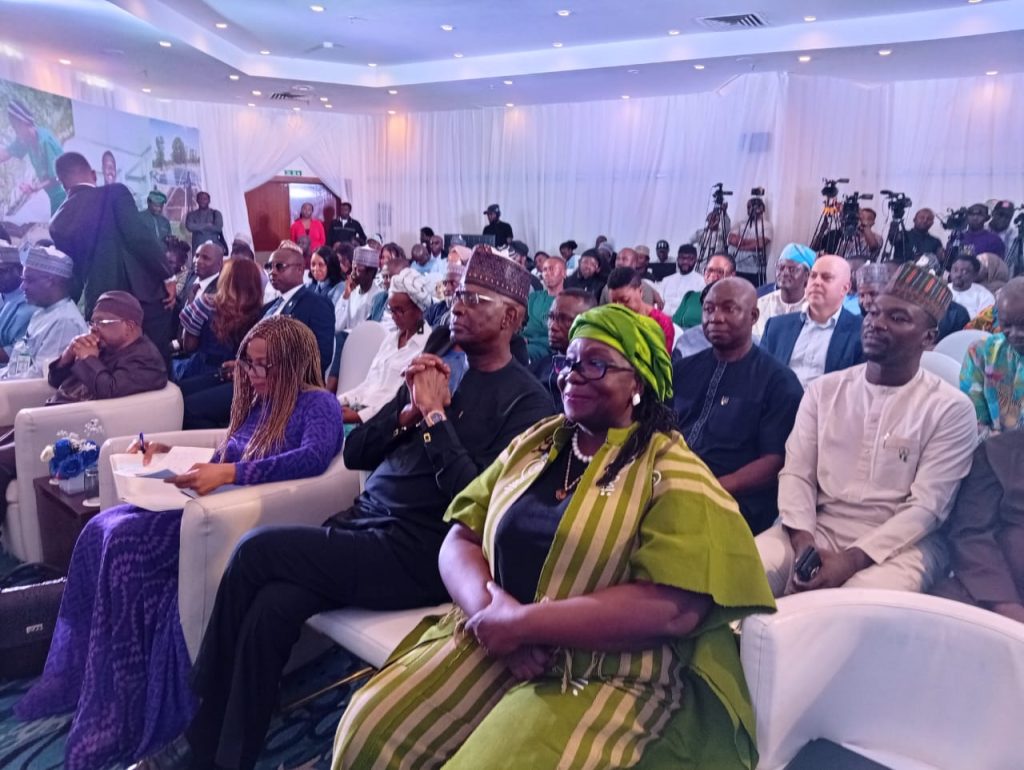
He disclosed that the first phase of the programme, comprising 23 mini-grids, will provide electricity to about 50,000 people, serve nearly 20,000 households and support thousands of businesses, with additional phases already being planned.
“I am pleased to hear this is only the first phase and that another set of mini-grids is already being planned. That gives us confidence that this initiative will continue to grow,” he said.
Tegbe revealed that Nigeria now has its first 200-megawatt solar farm and reaffirmed the Federal Government’s commitment to deploying renewable energy solutions to communities beyond the reach of the national grid.
He assured Nigerians that President Bola Tinubu’s administration remains committed to improving electricity supply across the country.
“Electricity is a dividend of democracy, and every Nigerian deserves to enjoy that dividend. Before the end of this year, Nigerians will begin to see visible improvements in electricity delivery. While challenges built over decades cannot be solved overnight, we are steadily fixing the infrastructure,” he added.
Earlier, the United Nations Resident and Humanitarian Coordinator in Nigeria, Mohammed Fall, described access to sustainable energy as essential to achieving the Sustainable Development Goals (SDGs), noting that electricity powers hospitals, schools, farms and businesses while creating jobs and improving livelihoods.
“Without sustainable energy, sustainable development remains out of reach,” he said, saying mini-grids are not simply energy projects but development solutions capable of transforming rural communities.
He noted that Nigeria is well positioned to lead Africa’s clean energy transition because of its abundant renewable resources, vibrant private sector and enormous economic potential.
Also speaking, the UNDP Regional Director for Africa, Ahunna Eziakonwa, described the Africa Minigrids Programme as one of the continent’s most ambitious renewable energy initiatives.
She said the programme represents a shift from fragmented, grant-funded energy projects to scalable investments driven by partnerships with the private sector.
According to her, Africa has a unique opportunity to leapfrog traditional fossil fuel-based energy systems and become a global leader in renewable energy deployment.
Also speaking at the event, the UNDP Resident Representative in Nigeria, Elsie Attafuah, said the launch of the 23 Africa Minigrids Programme projects proves that energy is no longer viewed solely as infrastructure but as economic infrastructure capable of driving productivity, investment and inclusive growth.
According to her, the programme is helping communities move beyond simply gaining access to electricity by creating opportunities for agriculture, enterprise and local economic development.
“Renewable energy is helping communities move beyond access to opportunity. Farmers can preserve more of what they produce through cold-chain infrastructure, agro-processors can increase productivity and reduce costs, small businesses can extend their working hours, while young people can build enterprises that rely on reliable electricity rather than expensive diesel generators,” she said.
Attafuah noted that the success of the programme would not be measured by the number of mini-grids installed but by the businesses powered, livelihoods strengthened, jobs created and opportunities unlocked.
She added that Nigeria’s ongoing electricity reforms provide an unprecedented opportunity to attract investment, deepen collaboration between the federal and state governments and accelerate the country’s transition to a resilient and competitive energy system.
Similarly, the Managing Director and Chief Executive Officer of the Rural Electrification Agency (REA), Abba Aliyu, described electricity as the backbone of modern society rather than a social service, saying reliable power has become essential for healthcare, education, agriculture, artificial intelligence and economic growth.
Aliyu said the Africa Minigrids Programme was unique because it connects electricity directly to productive economic activities while leveraging public funding to attract private sector investment.
Citing the Namu community, one of the programme’s pilot locations, he explained that access to mini-grid electricity reduced production costs for rice processors by more than 50 per cent, making locally processed rice more competitive and reviving businesses that had previously shut down due to high diesel costs.
“The programme is special because it connects mini-grid electricity directly to agricultural production and processing clusters. It is not just about providing electricity; it is about unlocking economic value, creating jobs and transforming rural communities,” he said.
The Africa Minigrids Programme is being implemented through a partnership involving the Federal Ministry of Power, the Rural Electrification Agency, UNDP, the Global Environment Facility and other development partners to expand electricity access, promote productive use of renewable energy and accelerate inclusive economic growth across Nigeria.

, a landmark renewable energy initiative aimed at expanding electricity access to underserved communities, stimulating rural economies and accelerating the country's transition to clean energy.)