The Nigerian Army is expanding security partnerships with universities in the North-East to protect campuses, strengthen community resilience and counter extremist narratives that fuel terrorist recruitment.
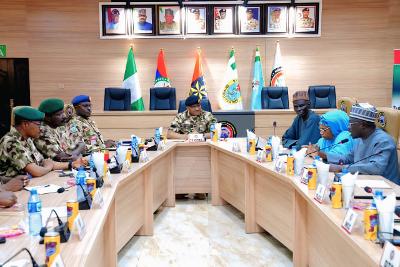
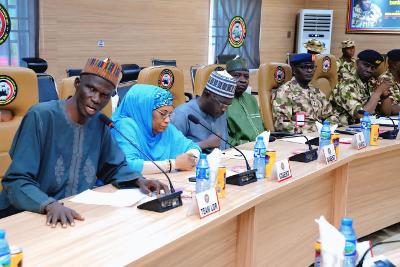
The emerging partnership was reinforced on Monday when university leaders from the region visited Headquarters Joint Task Force North-East, Operation HADIN KAI, to discuss campus security, intelligence sharing and measures for protecting students, staff and academic communities.
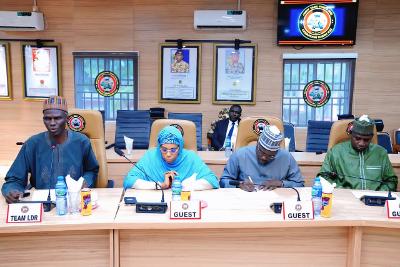
The delegation was led by the former Vice-Chancellor of Ahman Pategi University, Professor Ali Audu Sani, and included the Vice-Chancellor of Al-Ansar University, Professor Fanna Inna Abdulrahman, and the Vice-Chancellor of Borno State University, Professor Babagana Gutti.
READ ALSO: Nigerian Government Strengthens Security Checks On Humanitarian Operations
The university authorities acknowledged security assessments previously conducted by Operation HADIN KAI, which identified vulnerabilities and recommended measures covering perimeter protection, surveillance, communication and emergency preparedness.
Several of the recommendations have since been implemented, including stronger perimeter security, the installation of surveillance cameras and improvements to communication systems.
The development points to a shift from treating university security as an isolated campus-management responsibility towards a more coordinated security model in which academic institutions participate in early warning, information sharing and preparedness.
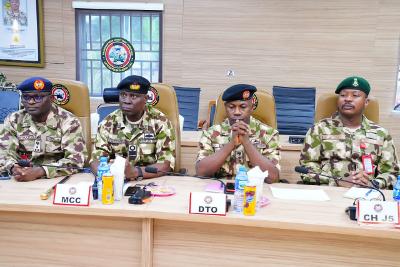
The Theatre Commander, Operation HADIN KAI, Major General Abdulsalam Abubakar, described educational institutions as critical national assets and stressed that their protection extends beyond physical security.
He noted that security and education are closely connected because human-capital development and community resilience are important to achieving lasting stability in the North-East.
That places universities within the broader non-kinetic dimension of counter-terrorism. Beyond helping secure campuses against direct threats, academic institutions can contribute to reducing vulnerabilities to radicalisation, misinformation and extremist propaganda.
Major General Abubakar said educated and resilient young people are less susceptible to terrorist recruitment, while universities have a role in promoting patriotism, responsible citizenship and resistance to extremist narratives.
The approach also reflects the increasingly integrated character of Operation HADIN KAI’s security strategy, combining military operations with intelligence-led protection, institutional engagement and measures aimed at reducing the conditions that allow extremist networks to attract and influence vulnerable populations.
The Theatre Commander consequently urged university authorities to sustain implementation of the security recommendations, strengthen internal vigilance and maintain effective communication with security agencies to facilitate early warning and rapid responses to emerging threats.
The university leaders, for their part, pledged continued cooperation and timely information-sharing with security agencies while commending troops for their sacrifices and the improving security environment, which they said had strengthened confidence and created better conditions for academic activities.