The Nigerian Government is tightening security around non-profit and humanitarian operations in the North East to prevent legitimate organisations, financial flows and supply chains from being exploited by terrorist networks.
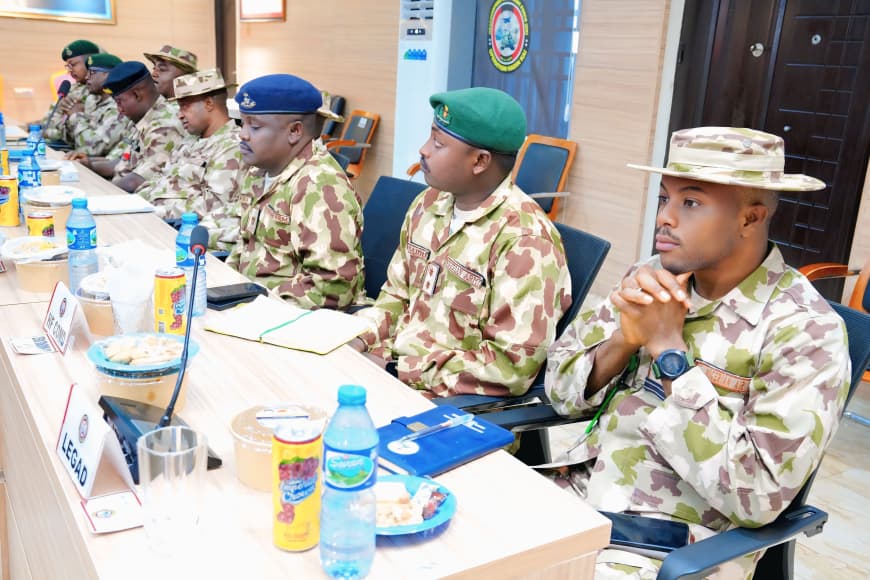
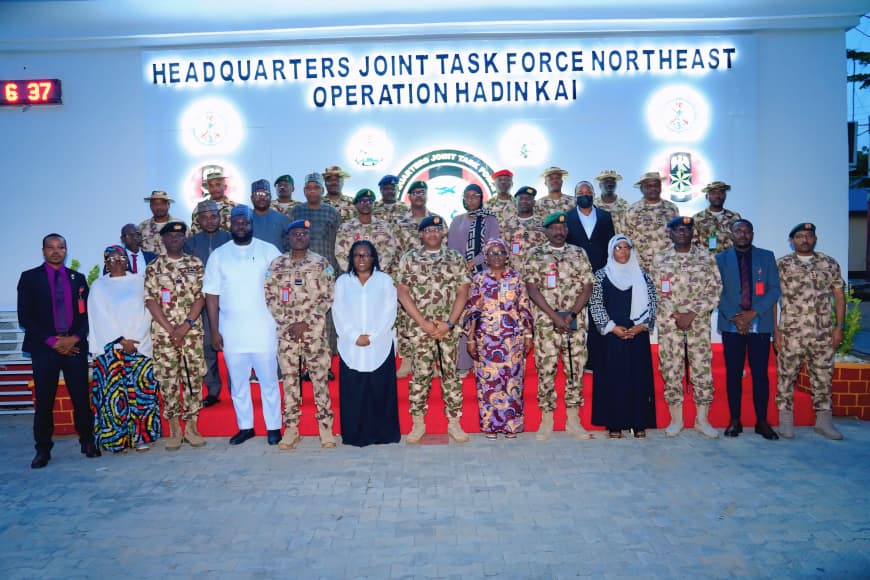
The renewed focus followed collaboration between the Joint Task Force North East, Operation HADIN KAI (OPHK), and the National Technical Risk Assessment Committee on Non-Profit Organisations (NPOs), which is conducting the 2026 National Technical Risk Assessment of NPOs in Nigeria.
In a statement, the Acting Military Information Officer, Headquarters Joint Task Force Operation HADIN KAI, Captain Mohammed Goni, said the exercise was aimed at identifying organisations and operational practices exposed to terrorism-financing risks while strengthening safeguards ahead of Nigeria’s next international evaluation on Anti-Money Laundering and Counter-Terrorist Financing.
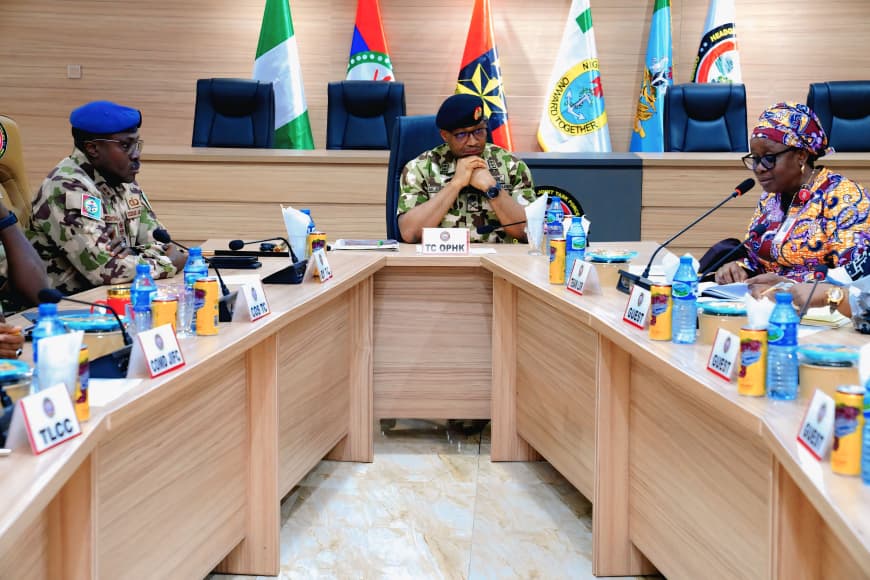
The Committee’s Team Leader, Mrs Ibinabo Amachree, said the assessment built on Nigeria’s 2022 National Risk Assessment, which identified the North East and North West as areas of elevated terrorism-financing risk.
READ ALSO: North-East Security Strategy Integrates Military, Human Capacity
She identified some of the vulnerabilities as the movement of large volumes of cash without adequate documentation and security arrangements, non-compliance with established procedures and the possible exploitation of humanitarian and service-oriented organisations by terrorist groups.
The Theatre Commander, Operation HADIN KAI, Major General Abdulsalam Abubakar, described terrorism financing as a critical enabler of terrorist activity, stressing that disrupting the financial lifelines of terrorist organisations remained an important component of the counter-insurgency campaign.
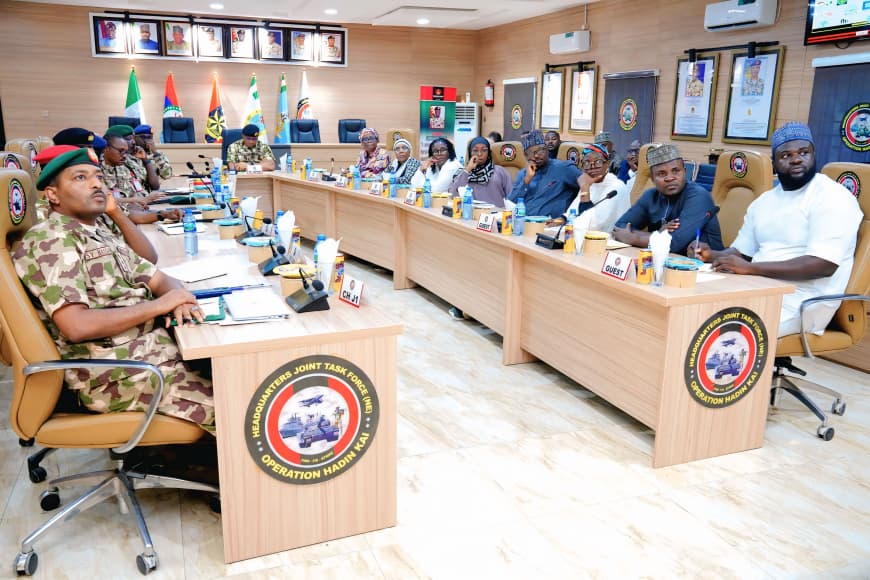
He, however, stressed that the objective was not to restrict legitimate humanitarian operations but to strengthen coordination around the movement of personnel, cash and supplies in conflict-affected areas.
Abubakar specifically identified the movement of cash and humanitarian supplies without adequate documentation, security coordination or escort as a continuing concern.
He urged humanitarian and non-profit organisations to provide advance notice of planned movements to enable the Theatre Command to coordinate security escorts, route protection and, where necessary, air support.
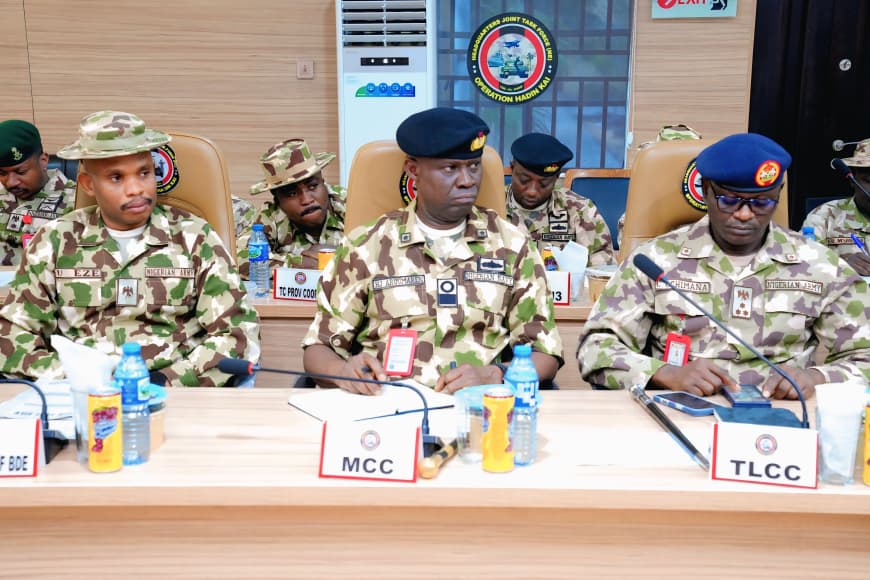
The call also extended to the commercial and local support networks of humanitarian organisations, with authorities stressing the importance of proper due diligence and security screening of vendors and service providers operating in high-risk environments.
This is because terrorist networks could seek access to conflict-affected communities through legitimate commercial and humanitarian channels.
The security and humanitarian dimensions of the strategy therefore require closer coordination, as humanitarian organisations need access to vulnerable populations while security authorities require sufficient visibility over movements and supply chains in an environment where terrorist groups continue to exploit gaps in coordination.

Operation HADIN KAI’s recent Humanitarian Civil-Military Coordination Roundtable with humanitarian actors and United Nations agencies provided a platform for addressing challenges relating to humanitarian access, personnel movement and supply delivery.
The latest engagement with the NPO Risk Assessment Committee extends the coordination to the financial and regulatory dimensions of the security challenge.
For Operation HADIN KAI, the objective is therefore broader than identifying suspicious financial activity, as it also involves closing operational gaps through which terrorist organisations could obtain money, material support or logistical advantages while preserving legitimate humanitarian assistance.
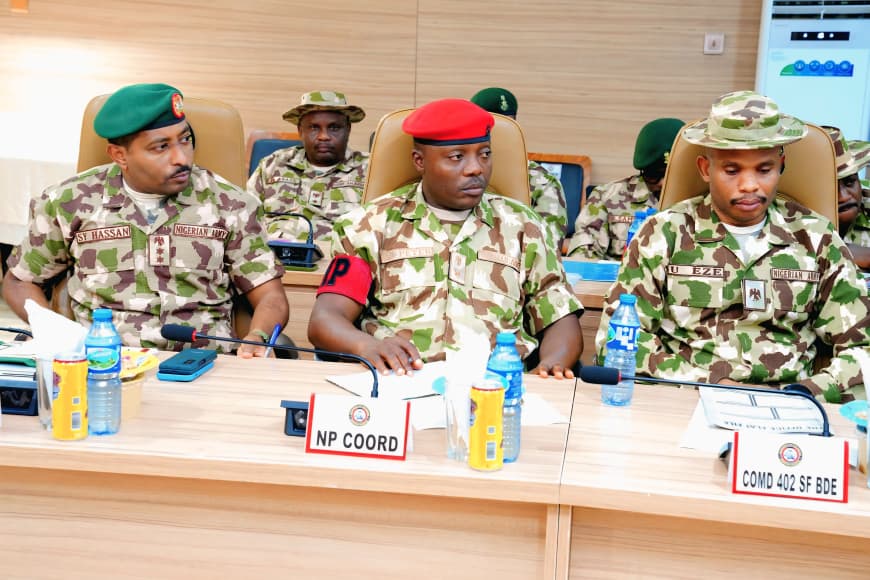
The Theatre Command pledged to provide relevant operational information and support to enrich the national assessment, subject to security and operational considerations.
It also urged legitimate NPOs to maintain close coordination with security authorities, comply with established procedures and report suspicious activities or vulnerabilities that could be exploited by terrorist organisations.
Nigeria’s evolving counter-terrorism strategy is consequently placing greater emphasis on the infrastructure that enables terrorist violence, alongside efforts to neutralise the fighters responsible for carrying it out.
In the North East, where humanitarian operations, local commerce and military activities intersect with communities affected by prolonged conflict, strengthening these safeguards is expected to help deny terrorist groups access to the resources required to sustain and regenerate their capabilities.