The Nigerian Government has reaffirmed its commitment to protecting survivors of Sexual and Gender-Based Violence (SGBV), strengthening access to safe shelters, rehabilitation and economic empowerment.
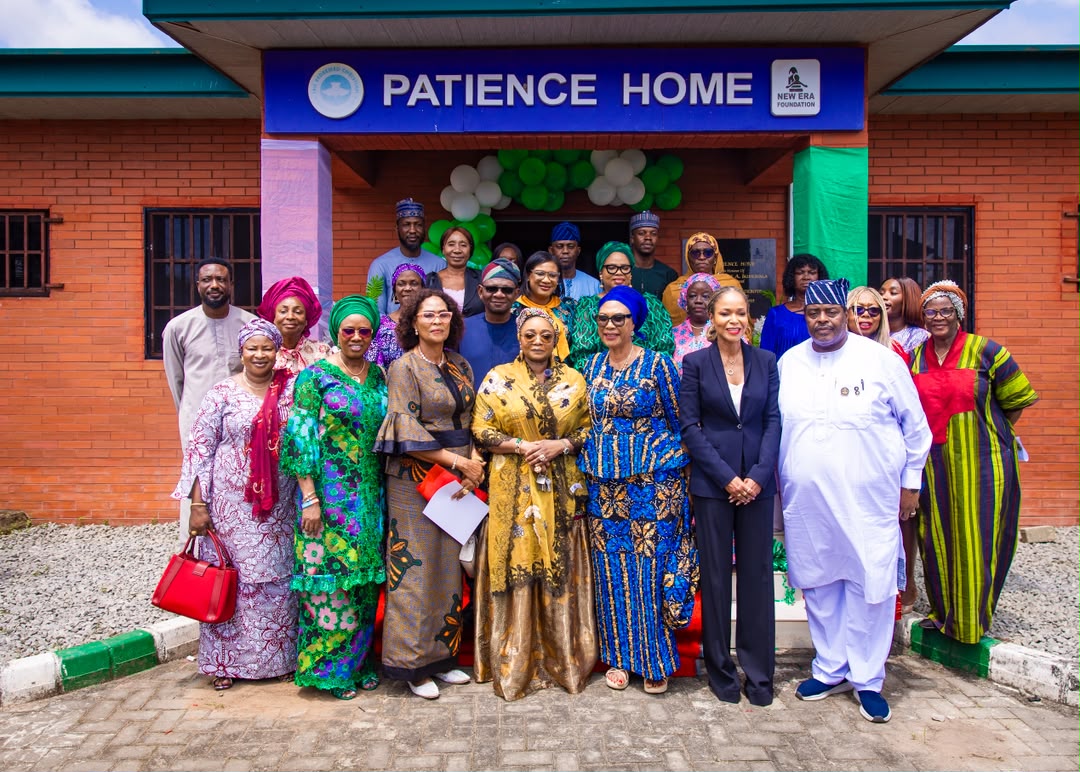
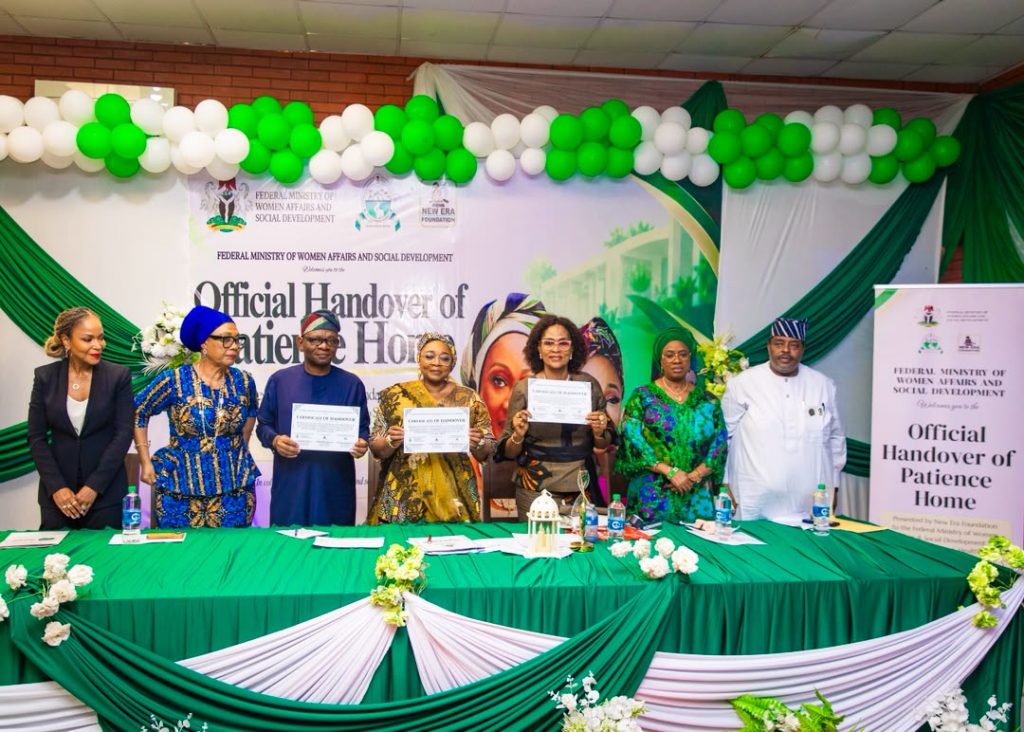
The Minister of Women Affairs and Social Development, Hajiya Imaan Sulaiman-Ibrahim, gave the assurance during the formal handover of Patience Home by the New Era Foundation to the Federal Ministry of Women Affairs and Social Development and the National Primary Health Care Development Agency in Lagos State.
The minister described the handover as a significant step towards expanding access to safe shelter, rehabilitation and economic empowerment, noting that the facility would provide survivors with a safe space to heal, rebuild their confidence and regain independence.
READ ALSO: Minister Inaugurates Committee to Strengthen SGBV Response
“Patience Home is more than a physical structure; it is a sanctuary of safety, healing, restoration, and empowerment,” Sulaiman-Ibrahim said.
She commended the founder of the New Era Foundation and First Lady, Senator Oluremi Tinubu, for championing the initiative, urging well-meaning Nigerians to support efforts to provide adequate care and protection for survivors.
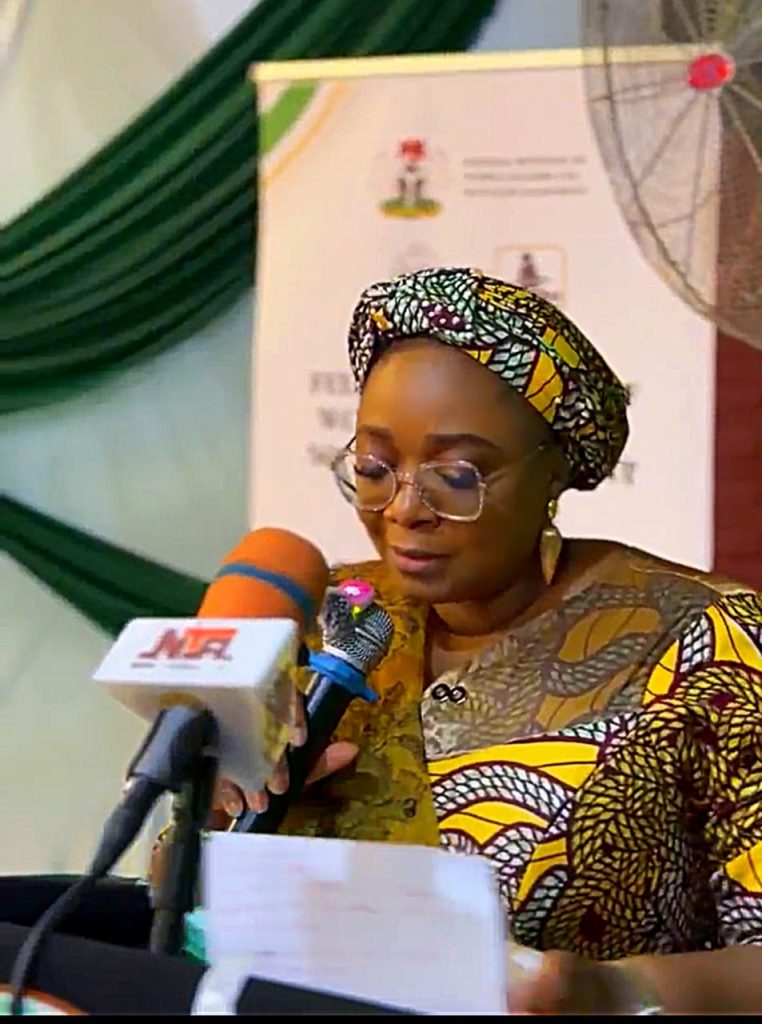
“May I commend, thank and appreciate the mother of the nation for taking the lead in this initiative. No one has an excuse right now because she is at the forefront of ensuring that we get the right kind of care and protection for every Nigerian. For the first time, we are seeing the human face of government. It is not a government that only discusses roads and airports. In this government, the reforms are all-encompassing. It is not just about building infrastructure; it is also about building lives, and nobody is being left behind,” the minister stressed.
She said the initiative aligned with President Bola Ahmed Tinubu’s Renewed Hope Agenda, particularly its focus on human capital development, social inclusion and support for vulnerable groups, adding that the administration’s reforms were rebuilding trust and restoring confidence.
Sulaiman-Ibrahim emphasised that survivors needed more than rescue from abusive situations, noting that sustainable recovery required medical care, psychosocial support, rehabilitation and economic opportunities.
“Our responsibility does not end with rescuing survivors from abusive situations. We must also provide the psychosocial, medical, legal, rehabilitative, and economic support required to help them recover, regain confidence, and move from survival to self-reliance,” she explained.
The minister identified the shortage of safe shelters and specialised response facilities as a major challenge in addressing SGBV, noting that many survivors lacked access to accommodation, healthcare, counselling, legal assistance and rehabilitation.
She said reports from government institutions, healthcare providers, civil society organisations and law enforcement agencies continued to highlight sexual violence, domestic abuse, intimate-partner violence, child abuse and trafficking. However, stigma, fear of retaliation, economic dependence and limited access to justice often discouraged survivors from reporting abuse.
Sulaiman-Ibrahim disclosed that Nigeria had only 52 Sexual Assault Referral Centres serving a population of more than 200 million, calling for increased investment in specialised services and shelters nationwide.
She urged federal and state governments, healthcare providers, law enforcement agencies, civil society organisations, traditional and religious leaders, families and communities to strengthen collaboration in providing coordinated, survivor-centred care.
According to her, a Memorandum of Understanding among the Federal Ministry of Women Affairs and Social Development, the New Era Foundation and the National Primary Health Care Development Agency provided a framework for coordinated service delivery, effective management and the facility’s sustainability.
She acknowledged the support of the Lagos State Government and its Ministry of Women Affairs and Poverty Alleviation, urging stakeholders to sustain the partnership and establish more shelters and referral centres across the country.
Citing the Violence Against Persons (Prohibition) Act, 2015, and the Child Rights Act, 2003, Sulaiman-Ibrahim stressed that legal protections must translate into accessible support services and justice for survivors.
“Survivors should not be left to navigate these systems alone. They deserve a coordinated and compassionate response that protects their rights, safeguards confidentiality, and prevents stigma, discrimination, and victim-blaming,” the minister reiterated.
She added that the success of Patience Home would be measured by the number of survivors who regained confidence, acquired skills, achieved economic independence and rebuilt their lives with dignity and security.