The Nigerian Minister of Housing and Urban Development, Dr. Muttaqha Darma has said that the Nigerian Government plans to increase mortgage delivery to 5,000 annually and raise the maximum mortgage loan from ₦50 million to ₦85 million by 2028, as part of reforms to expand affordable homeownership and improve access to housing finance.
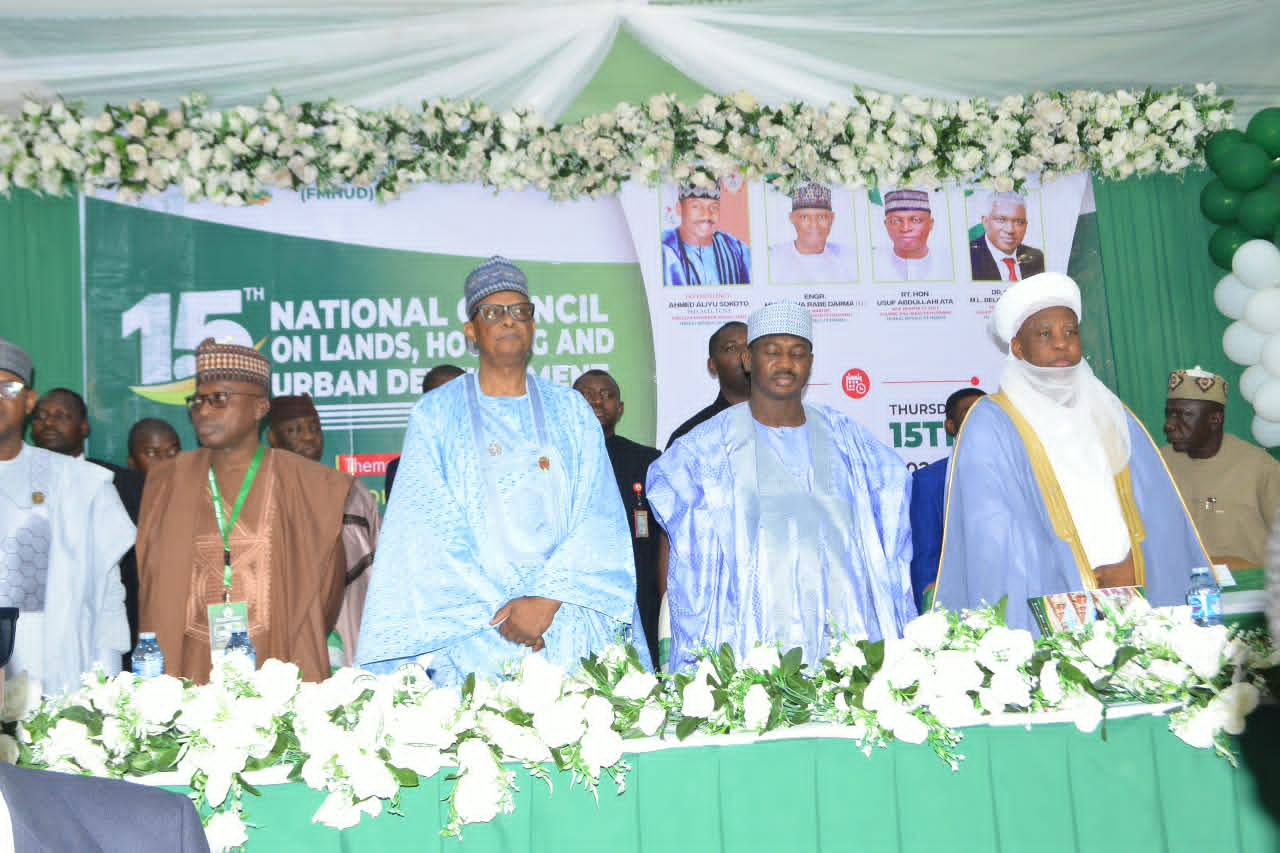
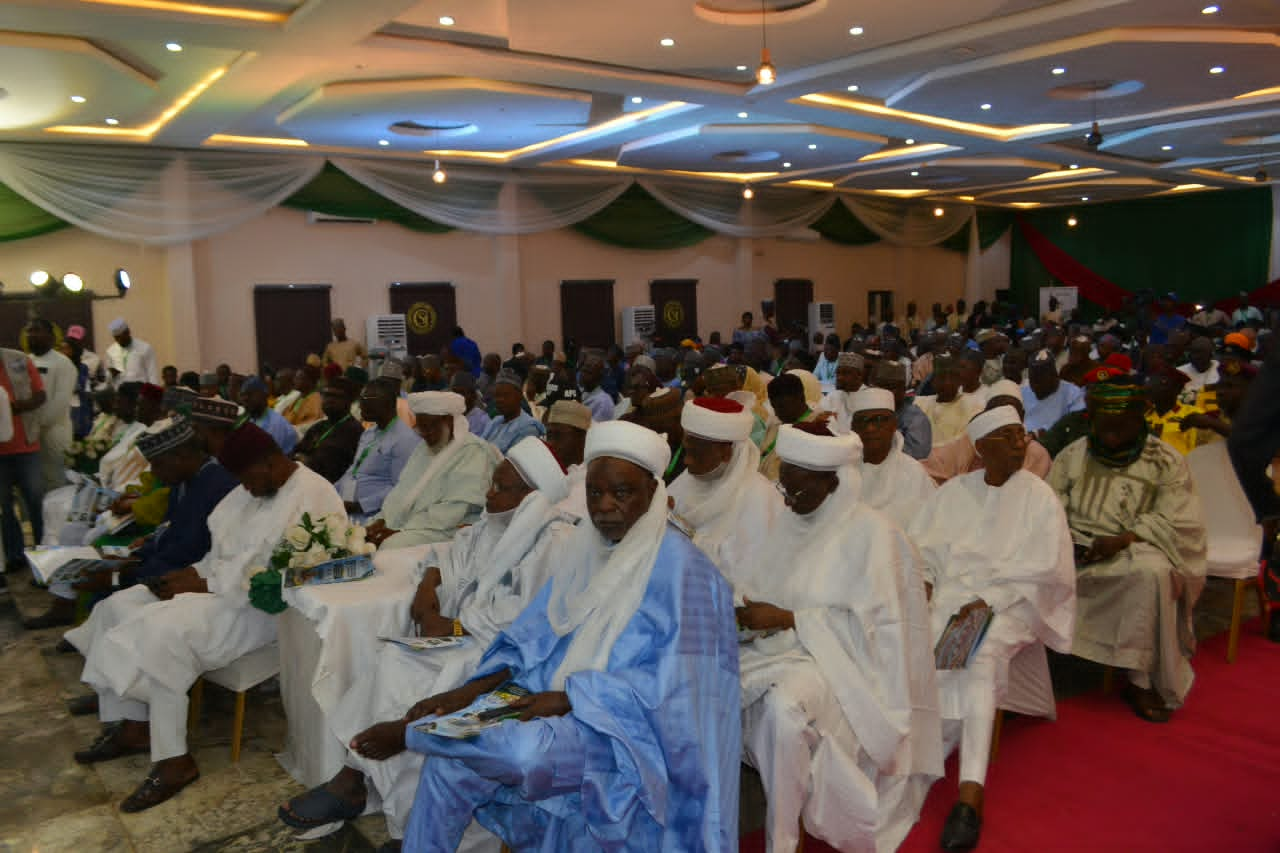
He announced the targets in Sokoto during the opening of the 15th Meeting of the National Council on Lands, Housing and Urban Development.
Darma said the government was directing the Federal Mortgage Bank of Nigeria (FMBN) to increase mortgage disbursements. The bank is expected to disburse at least 70 per cent of the previous year’s National Housing Fund (NHF) contributions through mortgages annually.
The minister set a target of 2,000 mortgages for the current year, rising to 5,000 by 2028. The plan seeks to narrow the gap between workers’ contributions to the NHF and the actual delivery of housing finance.
READ ALSO: Nigerian Government Seeks Mortgage Reforms For Affordable Housing
Darma also announced plans to allocate between 30 and 40 per cent of mortgage bookings to informal-sector workers. Many people in this group face difficulties securing conventional loans because of irregular incomes and limited access to formal lending arrangements.
Access Mortgage
“The proposed reforms are designed to strengthen the housing finance system, improve access to mortgage facilities and ensure that more Nigerian workers can benefit from their contributions to the National Housing Fund,” he said.
The minister also said plans to establish a National Housing Finance Authority. The proposed institution would provide a coordinated regulatory framework, strengthen accountability and improve the performance of Nigeria’s housing finance sector.
The recently launched Diaspora Mortgage Programme aims to give Nigerians living abroad opportunities to invest in homeownership in their home country.
Darma said access to housing finance remained critical to addressing Nigeria’s housing deficit. He stressed that sustainable housing delivery requires not only the construction of homes but also an effective mortgage system that enables citizens to purchase them.
The minister cited Rwanda’s experience in expanding its mortgage market through institutional reforms and mortgage refinancing mechanisms.
He said Nigeria could draw useful lessons from countries that have taken deliberate steps to improve access to housing finance.
He reaffirmed the Federal Government’s commitment to reforms that would make mortgages more accessible to low- and middle-income earners, particularly workers in the informal sector.
Darma urged relevant institutions and stakeholders to support the proposed changes.
He stressed that effective implementation, transparency and accountability would be essential to achieving the government’s housing delivery targets.
In his keynote address, Sokoto State Governor Ahmad Aliyu Sokoto said housing goes beyond providing shelter, as it supports human dignity, security, family stability and hope for the future.
He highlighted ongoing projects, including the 500-unit Sokoto New City Housing Project and an initiative to provide shelter for internally displaced persons in partnership with the United Nations.
The projects aim to expand access to affordable homes for low-income earners and vulnerable citizens.
Meanwhile, the Chairman of the House Committee on Urban Development and Regional Planning, Hon. Awaji-Inombek Abiante, outlined policy measures he considered necessary to address Nigeria’s housing deficit.
Effective Development
These include single-digit interest loans, a review of housing prices and more transparent land registration processes. He also called for effective development control, the introduction of a National Housing Identification Number and greater use of locally sourced building materials to reduce construction costs.
Abiante said these measures could improve affordability and expand access to housing for Nigerians.
The National Council on Lands, Housing and Urban Development brings together the federal housing minister, the minister of state, state commissioners responsible for housing and heads of housing agencies across the country.
The council serves as the highest decision-making body for deliberating on and approving reports from the meeting of permanent secretaries.
Resolutions adopted at the 15th meeting in Sokoto will provide a working document for stakeholders in the built environment, guiding efforts to accelerate inclusive housing delivery across Nigeria.