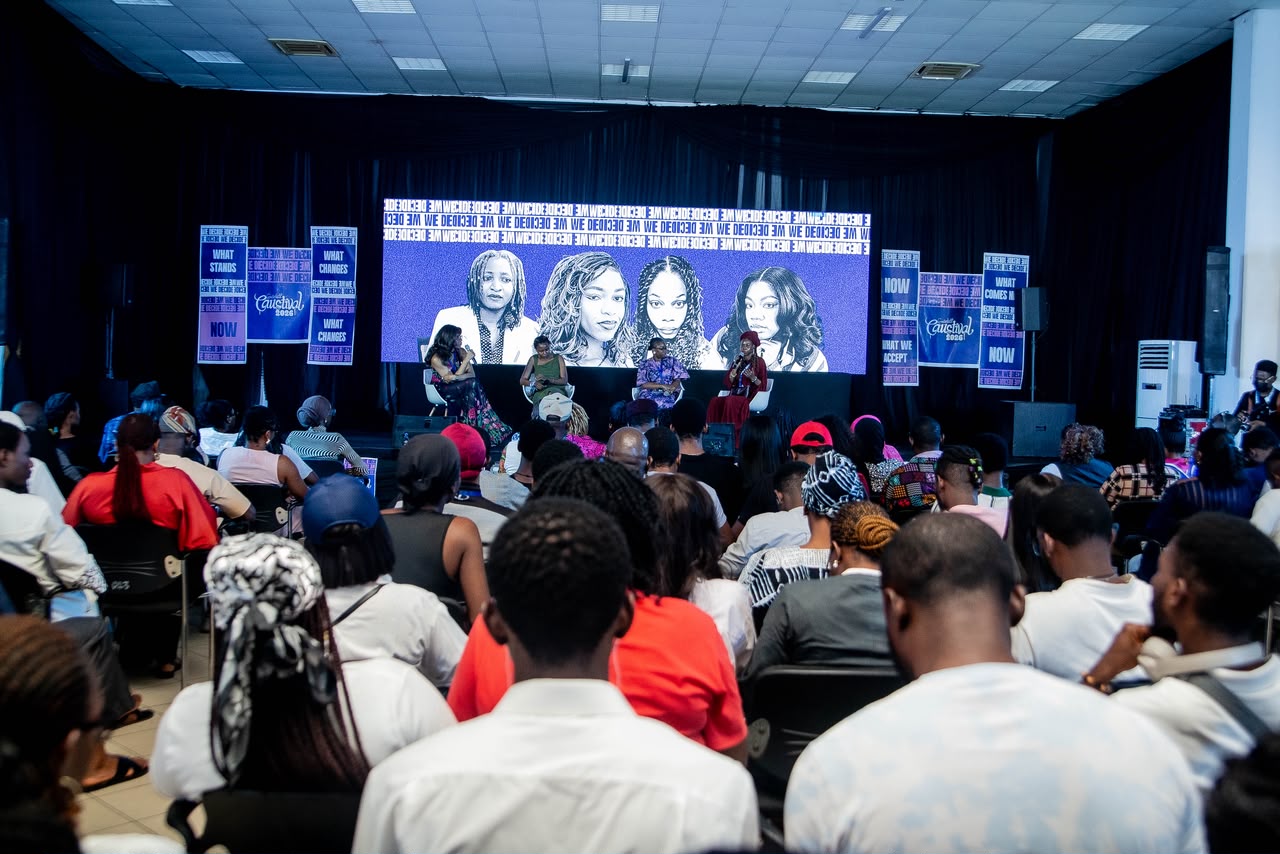
Nigerian youths gathered in Abuja for Gatefield Caustival 2026 have used art, film and civic dialogue to advocate greater democratic participation, stronger civic engagement and increased inclusion of women in leadership as the country prepares for the 2027 general elections.
The social justice arts and film festival, themed “We Decide”, brought together artists, filmmakers, activists, researchers and citizens to engage in conversations on democracy, governance and civic responsibility.
The festival featured film screenings, exhibitions, performances and panel discussions, including a mock voting exercise that was deliberately disrupted to encourage participants to reflect on the importance of public trust in democratic processes and the vulnerabilities surrounding electoral participation.
Discussions throughout the event focused on barriers to women’s participation in public life, declining public confidence in political institutions and the need to strengthen civic and historical awareness.
Speaking on the impact of digital violence on women, producer of the documentary Double Minority, Nabilah Usman, said digital abuse often forces women out of online spaces, limiting their ability to promote their work, campaign effectively and access economic opportunities.
Gender justice activist Fakhriyyah Hashim noted that both physical and digital threats place significant pressure on women seeking political office, with adverse effects on their mental well-being.
Addressing women’s political participation, Curator of the Abuja Global Shapers, Solape Sonuga, attributed the challenge largely to social and cultural norms rooted in gender inequality.
According to her, financial constraints are not the primary obstacle to women’s participation in politics.
The festival also examined the role of civic education and historical awareness in strengthening democratic culture.
Documentary producer and cultural archivist, Salma Ja’eh, stressed the importance of understanding Nigeria’s political history, noting that greater knowledge of the country’s democratic journey could encourage citizens to become more actively involved in governance and public affairs.

Participants further discussed citizen-politician engagement, observing that limited interaction between elected officials and constituents between election cycles contributes to public distrust.
Reflecting on the issue, Fakhriyyah Hashim argued that infrequent engagement often shapes public attitudes towards political leaders and weakens accountability.
The conversations formed part of Caustival 2026’s broader effort to create spaces for civic dialogue, artistic expression and public engagement on governance issues ahead of Nigeria’s 2027 general elections.