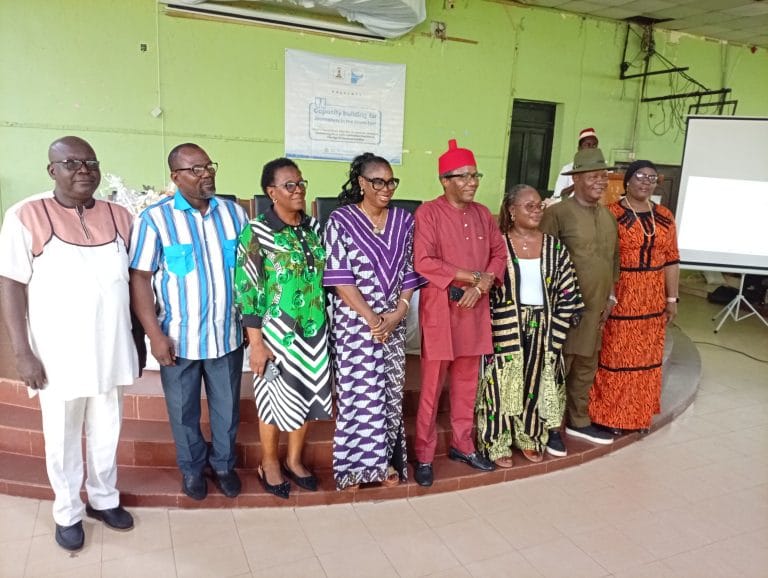
The Nigerian Press Council (NPC), in partnership with Rounties Consults Nigeria Limited, has urged journalists in South-East Nigeria to promote responsible reporting and ethical political discourse ahead of the 2027 general election.
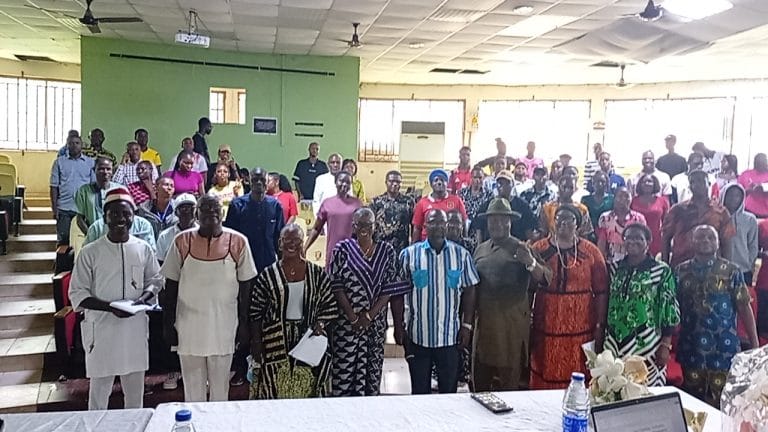
The call was made during a training at Nnamdi Azikiwe University in Awka, Anambra State, themed “Capacity Building for Journalists in the South-East on Understanding and Identifying Hate Speech and Inflammatory Language in Political Discourse”.
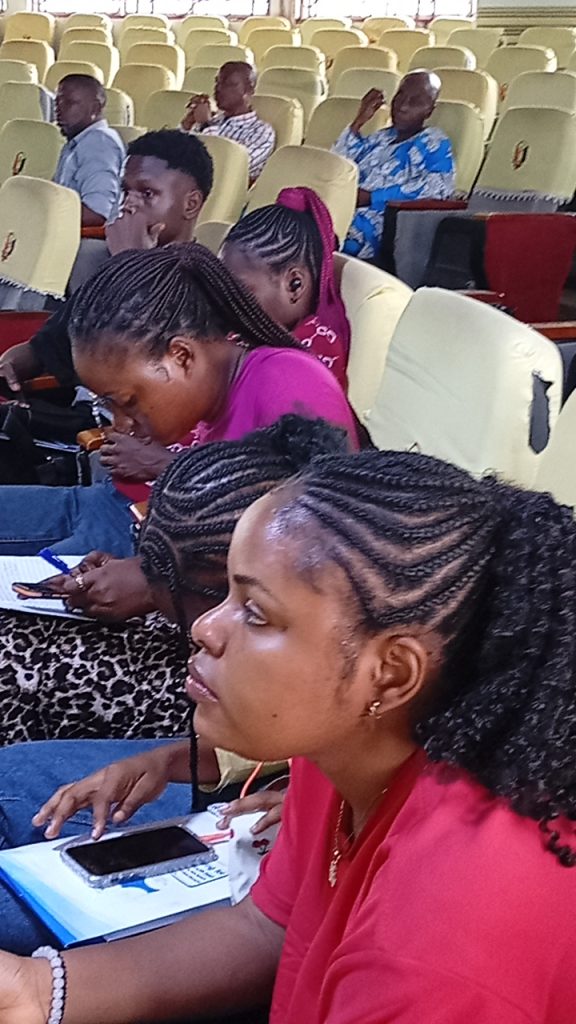
The programme attracted journalists, scholars and government representatives.
The Executive Secretary of the NPC, Dr Dili Ezughah, represented by the Director of Public Relations, Mrs Chinyere Facah, described the training as timely, warning that hate speech and provocative language could deepen divisions and threaten national cohesion.
READ ALSO: VP Shettima Endorses Nigeria Press Council’s Compendium
She stressed that ethical journalism was crucial during elections, when political actors could weaponise language and social media platforms amplify inflammatory content.
“The duty of the press, therefore, is not to shout the loudest, but to report the truest — calmly, accurately, and without adding fuel to an already tense polity,” she said.
The council urged journalists to distinguish legitimate criticism from hate speech and avoid sensational headlines and unverified claims. It also reaffirmed its commitment to promoting ethical standards through continuous training.
The Anambra State Commissioner for Information, Dr Law Mefor, cautioned journalists against sensationalism and emotionally charged language that could inflame tensions.
He also warned that fabricating stories and presenting them as facts could attract legal consequences under applicable laws, including the Cybercrimes Act.
“The choice of words matters. Reporting that people ‘died’ is factual, but claiming they were ‘massacred’ without proof evokes emotion and can instigate conflict,” he said.
Other speakers noted that information gaps often fuel rumours and conflict, calling for timely release of official information and responsible reporting.
The Chairman of the Nigeria Union of Journalists (NUJ), Anambra State Council, Comrade Odogwu Emeka, commended the NPC for organising the training and urged it to extend similar programmes to social media influencers.
Represented by the Chairperson of the Nigeria Association of Women Journalists (NAWOJ), Anambra State Chapter, Tochukwu Ifejika, he stressed that journalists must balance humanity with professionalism and uphold factual reporting.
The NPC Director of Research and Documentation, Mrs Stella Anumodu, said hate speech and inflammatory language could trigger confusion, unrest and crises.
She urged journalists, students and citizen journalists to verify information and uphold ethical standards across media platforms.
Professor Reginald Facah of Tansian University, Umunya, warned against discriminatory language, dehumanisation and inflammatory religious narratives in news reporting.
Head of the Department of Mass Communication at Nnamdi Azikiwe University, Professor Chinwe Uzochukwu said media literacy and critical thinking were essential to tackling misinformation during elections.
Similarly, Professor Jaja Nwanegbo of the university’s Department of Political Science urged the public to stop supporting individuals and platforms that spread false information.
A session on conflict-sensitive reporting, led by Dr Ugwueze, highlighted accuracy, context and consideration of consequences as essential principles of responsible journalism.
Participants also learnt about election disinformation, including deepfake videos, coordinated fake accounts and manipulated Independent National Electoral Commission (INEC) materials circulated on WhatsApp, TikTok and Facebook.
They received training on verification tools such as Google Reverse Image Search and InVID, alongside techniques for debunking false claims.
The workshop ended with a call for media organisations to establish fact-checking desks and collaborate with independent verification organisations ahead of the 2027 elections.