

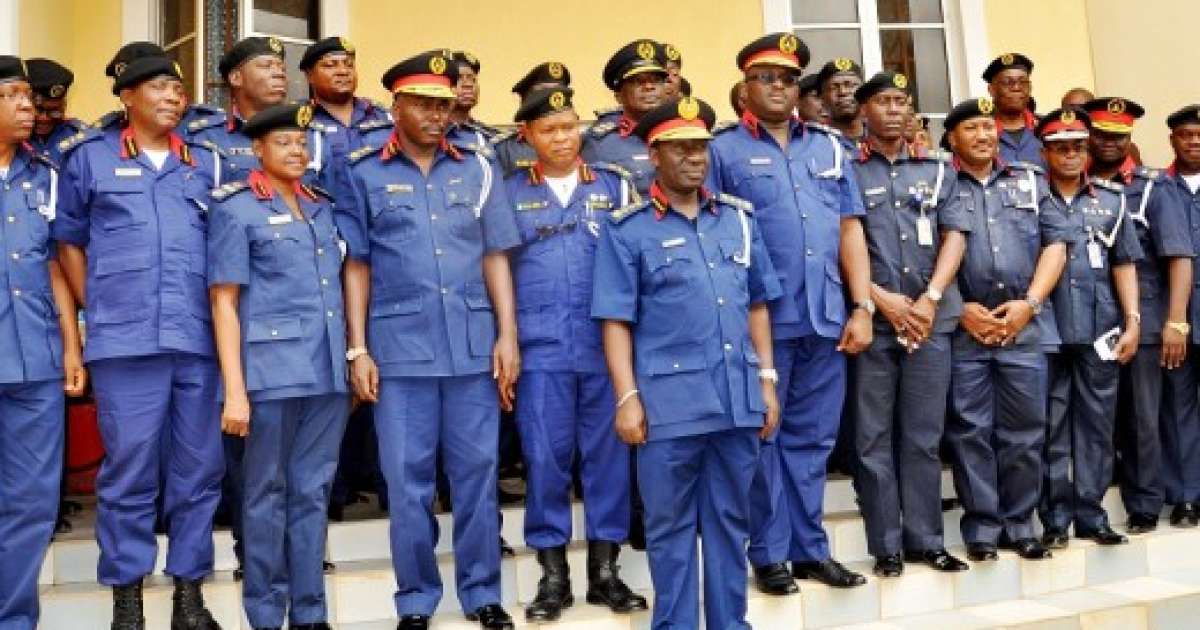
The Nigeria Security and Civil Defence Corps (NSCDC) has commenced a two-day strategic training programme aimed at strengthening operational performance through research methodology, innovation and digitalisation.
Speaking at the opening ceremony, the Commandant General of the NSCDC, Prof. Ahmed Audi, said the initiative was designed to promote the adoption of research methodology and digitalisation as critical tools for achieving the Corps’ operational mandates in line with presidential priorities.
Audi said the programme reflected the management’s commitment to enhancing institutional capacity through technology, innovation and evidence-based decision-making.
He noted that the evolving security environment required personnel to develop analytical skills to identify challenges, conduct research, and generate practical solutions to improve service delivery.
The Commandant General stressed that knowledge acquired during the training should translate into measurable improvements across all formations of the Corps.
Earlier, the Commandant in charge of Planning, Research and Statistics, Commandant Peter Okloho, reminded participants that the Federal Government assessed the NSCDC based on its statutory responsibilities and urged officers to maintain high standards of professionalism in their reporting after the training.
Also speaking, the Head of the Critical Thinking, Research and Innovation Unit (CTRIU), Dr Ogunshola Folashade, said effective responses to contemporary security challenges required a combination of operational competence and critical thinking.
She said the training would cover implementation strategies for operational deliverables, research methodology, strategic communication, advanced report writing and institutional best practices.
A highlight of the programme was the induction and administration of the Oath of Allegiance to newly appointed CRTI desk officers by the NSCDC Head of Legal, Commandant Bamiyo Akomolafe.
The training attracted participants from the 36 state commands and the Federal Capital Territory, as well as representatives of directorates, departments and units at the National Headquarters.


 has reaffirmed its vital role in Nigeria’s security architecture.)