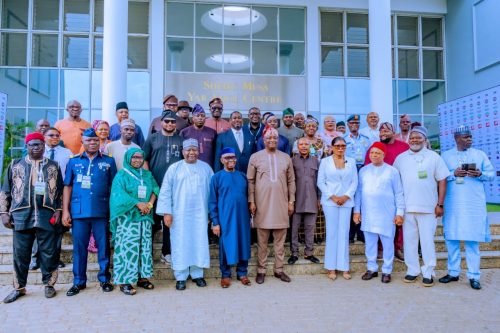
The Nigeria Social Insurance Trust Fund (NSITF) has urged workers to begin planning for retirement early by building financial security and understanding their social protection entitlements while still in active service.
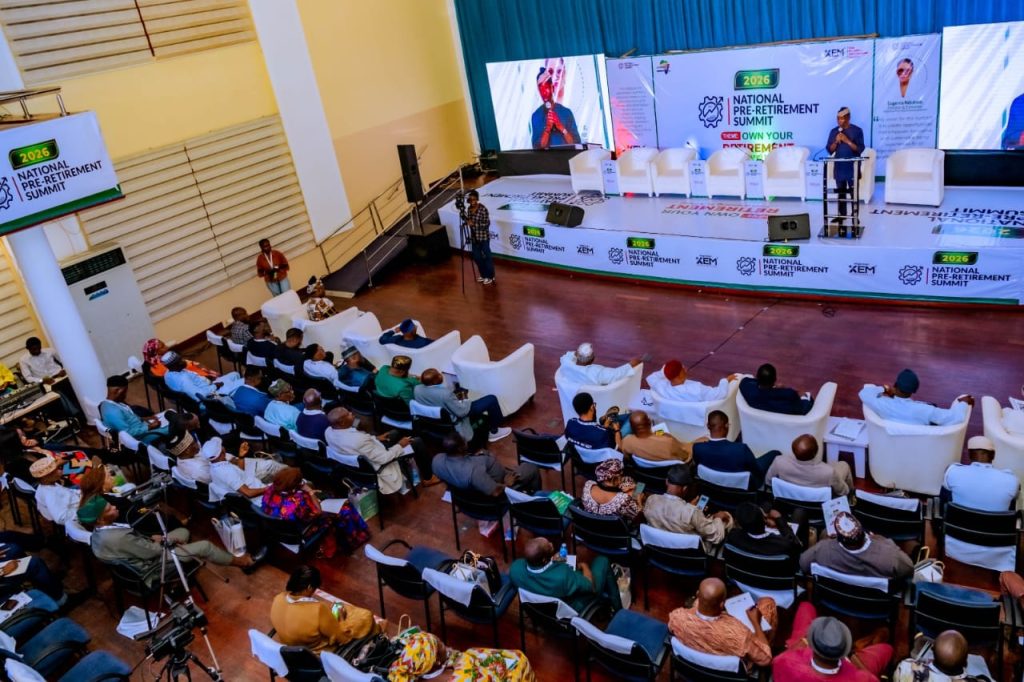
The Managing Director/Chief Executive of NSITF, Mr Oluwaseun Faleye, gave the advice on Thursday in Abuja while presenting the organisation’s position at a policy dialogue session of the 2026 National Pre-Retirement Summit.
The summit, themed, “Own Your Retirement: From Planning to Action,” featured a policy dialogue session titled, “Between Duty and Delivery.”

READ ALSO: NSITF Steps Up Drive for Safer Workplaces
Faleye said retirement security should not be addressed only when workers approach the end of their careers, stressing that adequate preparation must begin during working life.
“When we speak about retirement, we must begin much earlier than the point at which work ends.
“Retirement security is shaped during working life – by occupational risks, health, protection of earning capacity, compensation when harm occurs, and what happens to families when a breadwinner is lost,” he said.
According to him, while pensions and savings remain indispensable, they do not tell the whole story of retirement security.
He explained that a worker who remained healthy, productive and protected had a different pathway into old age from one who suffered a disabling injury or premature death without adequate protection.
Faleye said the Employees’ Compensation Scheme (ECS), administered by NSITF, formed part of the retirement and social protection continuum by protecting workers against employment-related injuries, occupational diseases, disability and death.
He said the scheme also provided compensation, survivor protection, medical care, rehabilitation and return-to-work support.
On coverage, Faleye disclosed that more than 7.6 million workers were enrolled under the scheme as of July 2026, adding that the figure had since risen to over 7.8 million.
“The Fund is moving from isolated registration exercises toward sustained participation and compliance through partnerships with Federal institutions, State Governments, regulators, employers and organisations in the informal economy,” he said.
He described the onboarding of Treasury-funded Federal Ministries, Departments and Agencies (MDAs) as significant, revealing that claims payments had commenced less than four months after the integration process began.
“The first batch of five Treasury-funded MDA beneficiaries was paid on 4 August 2026. This is turning Federal Civil Service protection into a lived reality,” Faleye said.
He stressed that registration alone did not amount to protection, saying compliance must connect registration and assessment to contributions, accurate worker information, claims processing and timely payment of benefits.
Faleye also emphasised the importance of protecting families and dependants, particularly when a worker dies from an employment-related incident.
“The system must be visible at the point of vulnerability. Claims administration, documentation, communication and inter-agency referrals should be designed around the beneficiary’s experience, with compassion, clarity and timely resolution,” he said.
He urged workers to plan for retirement and understand their entitlements but cautioned that individuals could not independently insure against employer non-compliance or establish a claims system.
“The right balance is shared responsibility: the State builds and regulates the architecture; institutions deliver within their mandates; employers comply and maintain safe workplaces; and workers understand, use and participate actively in the protections available to them,” he said.
Faleye disclosed that the average claims turnaround time had improved from 14 days to 10 days, adding that the next priorities were to deepen coverage, strengthen compliance and improve institutional coordination.
“A worker can plan for retirement only when the system is credible enough to plan with,” he stressed.
The summit was attended by the Minister of Labour and Employment, Chairman of the National Pension Commission, President of the Nigeria Labour Congress, Director-General of the Bureau of Public Service Reforms and Director-General of the National Senior Citizens Centre, among other stakeholders.