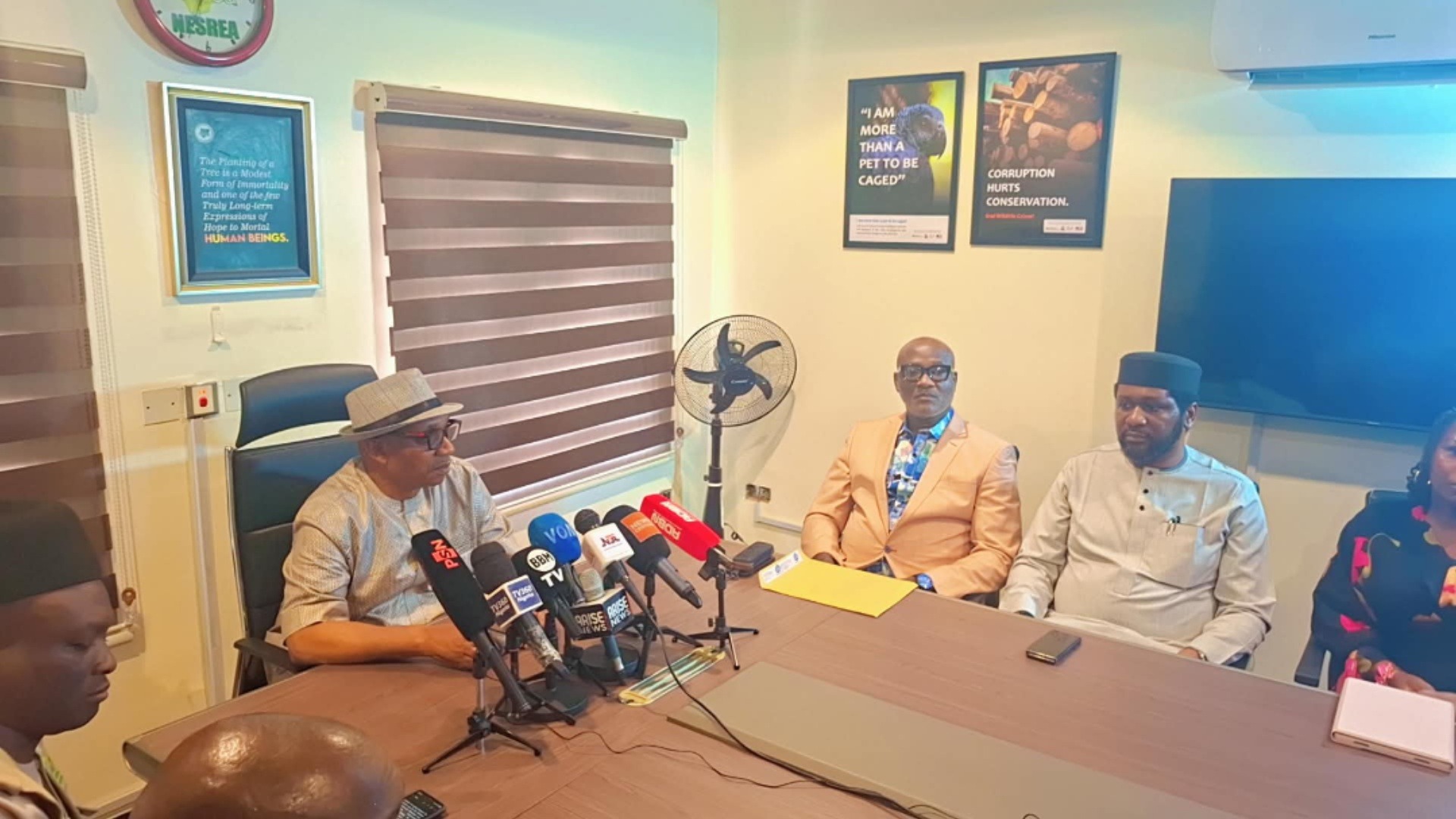
The Recycling and Economic Development Initiative of Nigeria (REDIN) has been formally accredited by the National Environmental Standards and Regulations Enforcement Agency (NESREA) as a Producer Responsibility Organisation (PRO) for the Motor Vehicle and Miscellaneous Assembly Sector.
The accreditation, presented at a ceremony held at the NESREA Head Office in Abuja, marks a significant development in Nigeria’s efforts to establish a structured and environmentally responsible system for the management of end-of-life vehicles and other automotive waste streams.
The designation is expected to strengthen the implementation of the Extended Producer Responsibility (EPR) Programme in the automotive sector while promoting resource recovery, recycling, environmental protection, investment and job creation.
READ MORE: 2028: Nigerian Government Targets 18% Tax-to-GDP Ratio
Speaking at the ceremony, the Executive Secretary/Chief Responsible Officer of REDIN, Dr. Fyneray Mbata, described the accreditation as both an honour and a major responsibility for the organisation.
Mbata expressed appreciation to NESREA for the confidence reposed in REDIN, stressing that the approval was “more than an endorsement but a mandate to deliver on environmental protection and responsible management of automotive products and materials throughout their life cycle.”
He said REDIN would work towards ensuring that End-of-Life Vehicles (ELVs) were no longer treated merely as discarded materials but as recoverable resources requiring proper collection, depollution, dismantling, recycling, recovery and environmentally sound final disposal.
“As we receive this certificate today, we regard this milestone not as a destination but as the beginning of greater work,” Mbata said.
He assured that REDIN would operate within the regulatory framework established by the Federal Government under the guidance and oversight of NESREA, while promoting compliance among vehicle producers and other stakeholders.

According to him, REDIN would also support the formalisation and professionalisation of the automotive value chain and encourage a transition from an informal and fragmented system to one that is organised, transparent, traceable, inclusive and environmentally responsible.
Mbata further highlighted the economic opportunities associated with a properly structured end-of-life vehicle recycling ecosystem, saying it could create jobs, attract investment, support local manufacturing, reduce dependence on virgin raw materials and stimulate innovation.
He stated that effective management of automotive waste would help reduce public health and environmental risks associated with abandoned vehicles, emissions, indiscriminate dumping, uncontrolled burning and improper handling of hazardous automotive components.
Also speaking, the Director-General NESREA, Prof Innocent Barikor said the formal recognition of REDIN as a PRO represented an important step towards strengthening the implementation of EPR in Nigeria’s automotive sector.
He noted that the increasing number of vehicles reaching the end of their useful life required an organised, accountable and environmentally sound management system.
According to him, “end-of-life vehicles contain valuable materials that can be recovered and returned to productive use, while hazardous components, if improperly managed, could contaminate land and water and expose workers and surrounding communities to environmental and health risks.”
He explained that the EPR framework places responsibility on producers and other actors within the value chain to support the environmentally sound management of products at the end of their useful life.
The NESREA Director-General said REDIN would be expected to work with producers and relevant stakeholders to facilitate the collection, tracking, recovery and environmentally sound management of designated automotive waste streams.
He stressed the importance of transparency, accountability and compliance with applicable environmental laws and regulations, while urging REDIN to maintain effective systems for producer registration, data management, reporting, financial accountability and the engagement of environmentally compliant collectors, dismantlers and recyclers.
The Director-General also called for effective cooperation between REDIN and other NESREA-approved PROs responsible for relevant waste streams arising from motor vehicles, including batteries, plastics and electrical and electronic components, where applicable.
He said NESREA would continue to provide regulatory oversight through the approval of relevant EPR plans and frameworks, compliance monitoring, inspection and enforcement in line with its statutory mandate.
The agency, he added, would work with REDIN, the National Automotive Design and Development Council (NADDC), producers, recyclers and other stakeholders to ensure clarity of roles, effective coordination and seamless implementation of the EPR Programme.
“Our collective objective must be clear. We must build an automotive waste management system that promotes environmental protection, resource recovery, recycling, compliance and accountability, while supporting investment and job creation in Nigeria’s recycling and circular economy,” he said.
The Director of Planning and Policy Analysis at NESREA, Mrs Loreto Eyo also disclosed that REDIN’s accreditation followed a review of its application and supporting documents submitted to the agency several months ago.
The event also featured the signing of a Memorandum of Understanding (MoU) between NESREA and REDIN, further strengthening their commitment to collaboration in the implementation of the EPR framework for the automotive sector.
The accreditation and MoU are expected to pave the way for stronger coordination among government, producers, recyclers, dismantlers, collectors and other stakeholders in building a more sustainable automotive waste management system in Nigeria.
For REDIN, the new responsibility represents a major step in its contribution to Nigeria’s transition towards a circular economy, with emphasis on environmental compliance, resource recovery, responsible recycling and sustainable economic development.