Nigeria Reputation Management Group (NRMG) has called on the government, the private sector, the media and Nigerians at home and in the diaspora to take collective responsibility for building a credible national image.
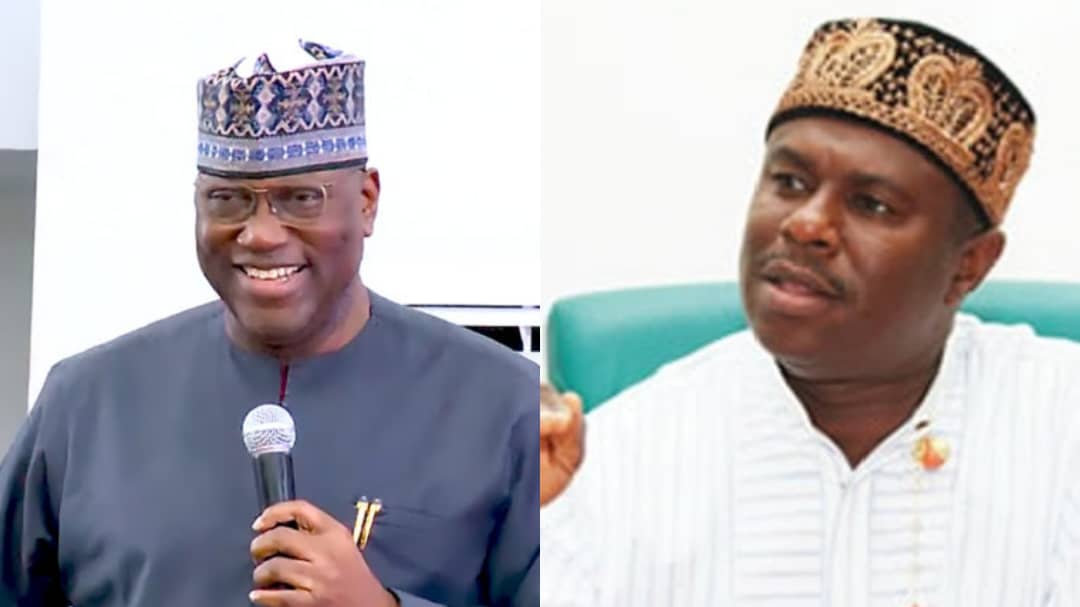
The Chairman of the Advisory Body of the Nigeria Reputation Management Group (NRMG), John Momoh, made the call at the Nigeria Reputation Day 2026, held under the theme, “Own the Narrative: Shaping Nigeria’s Reputation Together.”
Momoh said Nigeria’s reputation must reflect the country’s realities, acknowledging its challenges while ensuring that its achievements, talents, resilience and contributions to the global community receive appropriate recognition.
“Let’s stop trying to announce our reputation. Let’s start earning it. Nigerians must move beyond rhetoric and demonstrate the values and progress they want the world to associate with the country,” he said.
READ ALSO: Three Years of Reform: Rebuilding the Foundations of Nigeria’s Development
According to him, Nigeria’s national image is shaped not merely by official statements or publicity campaigns but by the everyday experiences of citizens, investors, visitors and others who interact with its institutions and people.
Momoh noted that Nigerians often contend with two contrasting narratives about their country: one characterised by insecurity, corruption, economic hardship and strained public trust, and another reflected in the ingenuity of young innovators, the global popularity of Nigerian music and the commitment of Nigerians in the diaspora to support development at home.
“The work of a young team in Enugu demonstrating the use of drones to deliver medicine, alongside the international success of Nigerian creatives and diaspora contributions to community development, are positive stories that deserve greater attention. Both stories are true. And that’s exactly why we are here,” he said.
The NRMG chairman stressed that owning Nigeria’s narrative should not be mistaken for concealing its shortcomings or promoting an unrealistic picture of the country.
He maintained that an effective reputation management strategy must confront the country’s difficulties honestly while documenting genuine progress and creating conditions that enable citizens to experience better governance and improved public services.
Responsible Leadership
Addressing government officials, Momoh said Nigerians expected clarity, consistency and competence rather than miracles.
He also challenged private sector leaders to recognise the role their business practices play in shaping perceptions of Nigeria, noting that the quality of products, treatment of employees and fulfilment of commitments all contribute to the country’s image.
“Your brand is Nigeria’s brand. Every product you make, every staff member you treat fairly, and every promise you keep is reputation work,” he noted.
Momoh further urged media practitioners and professionals in the creative industry to uphold accuracy and responsible reporting, particularly at a time when artificial intelligence can be used to generate convincing fake videos, cloned voices and misleading digital content.
He encouraged Nigerians to speak about their country responsibly in personal, professional and international settings, while making it clear that patriotism should not prevent legitimate criticism.
National Reputation
Speaking on the topic, “Own the Narrative: Shaping Nigeria’s Reputation Together”, the Former Director-General of the Nigerian Maritime Administration and Safety Agency, Dakuku Peterside, also called for a more deliberate, evidence-based approach to shaping Nigeria’s reputation, describing national reputation as a strategic asset with significant implications for investment, trade, tourism and international relations.
Peterside observed that Nigeria’s position as the world’s most populous Black nation and one of Africa’s largest economies meant that its international image carried considerable economic and diplomatic implications.
He warned that a damaged national reputation could increase the cost of doing business, reduce opportunities and make it more difficult for the country to earn the trust of international stakeholders.
Peterside, however, cautioned against interpreting the call to own Nigeria’s narrative as an attempt to monopolise how the country is perceived internationally.
He explained that Nigeria must distinguish between simply reporting events and providing the context necessary for a balanced understanding of them.
“Telling a story describes what happened; context explains why it happened, what shaped it, and what it does—or does not—reveal about the wider society,” he stated.
Peterside further stressed that although every Nigerian had a role in shaping the country’s reputation, public institutions and their leaders bore a greater responsibility because their decisions and conduct directly influence citizens’ everyday experiences.
Way Forward
As part of efforts to strengthen the country’s reputation management framework, Peterside urged the NRMG to work towards establishing a national evidence repository and a reputation dashboard.
He said the proposed tools would provide a reliable basis for communicating Nigeria’s achievements, identifying persistent gaps and tracking progress towards national development objectives.
“The proposed initiative would help ensure that the country’s narrative was grounded in verifiable evidence rather than unsupported claims or promotional messaging”, he added
Both speakers underscored the need for a sustained national commitment to building a reputation that reflects Nigeria’s actual performance and potential.
The Reputation Management body is optimistic that a more honest and coordinated approach to telling Nigeria’s story would enable the country to communicate its challenges and achievements with greater credibility and strengthen its standing in the international community.