Environmental experts and advocates have called for urgent and coordinated action by individuals, civil society organisations, non-governmental organisations (NGOs) and government institutions to address growing environmental challenges threatening communities across the world.
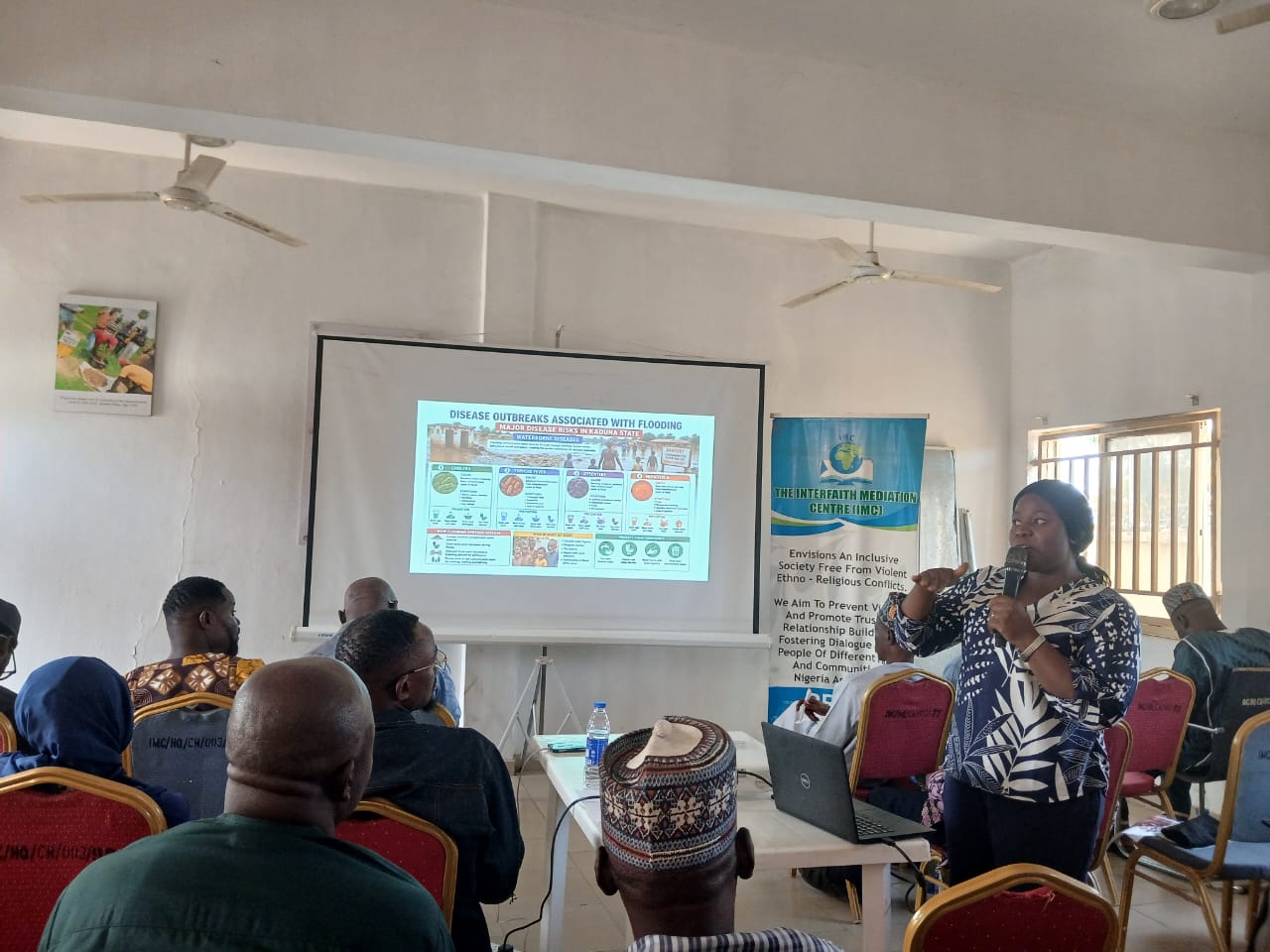
The call was made during the monthly Climate Hangout organised by the Desk of Climate Change and Environment Matters of the Interfaith Mediation Centre (IMC), in partnership with African Climate Reporters (ACR) and in collaboration with the Office of the Special Assistant to the Kaduna State Governor on Climate Change, held in Kaduna.
The stakeholders expressed concern over the increasing impacts of climate change, deforestation, pollution and other environmental issues affecting ecosystems and human livelihoods.
READ ALSO: World Environment Day: GIFSEP Launches Vote4Climate Campaign
Experts at the meeting warned that rising temperatures, erratic weather patterns and environmental degradation were no longer future threats but present realities affecting millions of people, particularly in vulnerable and developing regions.
According to environmental analysts, poor waste management practices, rapid urbanisation and industrial emissions have contributed significantly to worsening environmental conditions.
They noted that the effects were evident in polluted water sources, declining agricultural productivity and the increasing occurrence of climate-related disasters such as floods and droughts, which continue to disrupt communities and displace populations.
The experts emphasised that environmental sustainability remains critical to addressing these challenges. They explained that sustainability involves meeting present needs without compromising the ability of future generations to meet their own needs.
They urged individuals to adopt environmentally responsible habits, including reducing waste, conserving energy, planting trees and supporting environmentally friendly initiatives.
The stakeholders noted that collective action at the community level can make a significant contribution to long-term environmental protection. They also acknowledged the role of civil society organisations and NGOs in promoting environmental awareness, advocating environmental justice and implementing grassroots solutions.
According to them, “Through education campaigns, community engagement and policy advocacy, these organisations continue to bridge the gap between citizens and policymakers while ensuring environmental concerns remain prominent in public discourse.”
The participants identified government institutions as having the primary responsibility for developing and enforcing environmental protection measures. They urged governments at all levels to strengthen environmental regulations, invest in renewable energy, promote sustainable agricultural practices, improve waste management systems and enhance collaboration with relevant stakeholders.
Speaking at the event, Halima Haruna, a lecturer in the Department of Minerals and Petroleum Resources at Kaduna Polytechnic, stressed that transparent governance and effective policy implementation are essential for achieving meaningful and equitable solutions to environmental challenges.
She urged environmental journalists to intensify reporting on climate and environmental issues and educate citizens on the effects of environmental degradation and the actions required to address the crisis.
As environmental threats continue to escalate globally, stakeholders maintain that the responsibility for protecting the environment must be shared across all sectors of society.
“The time to act is now,” the environmental advocates urged, calling on individuals, civil society groups, NGOs and governments to unite in safeguarding the planet for present and future generations.
They also called on every individual to become a responsible steward of the environment, while encouraging civil society organisations and NGOs to intensify advocacy efforts and grassroots mobilisation.
The stakeholders further urged governments to demonstrate a stronger commitment through decisive environmental policies and sustainable development initiatives.
They maintained that through collective action, innovative solutions and sustained accountability, societies can restore ecological balance and build a healthier, more resilient and sustainable future for all.