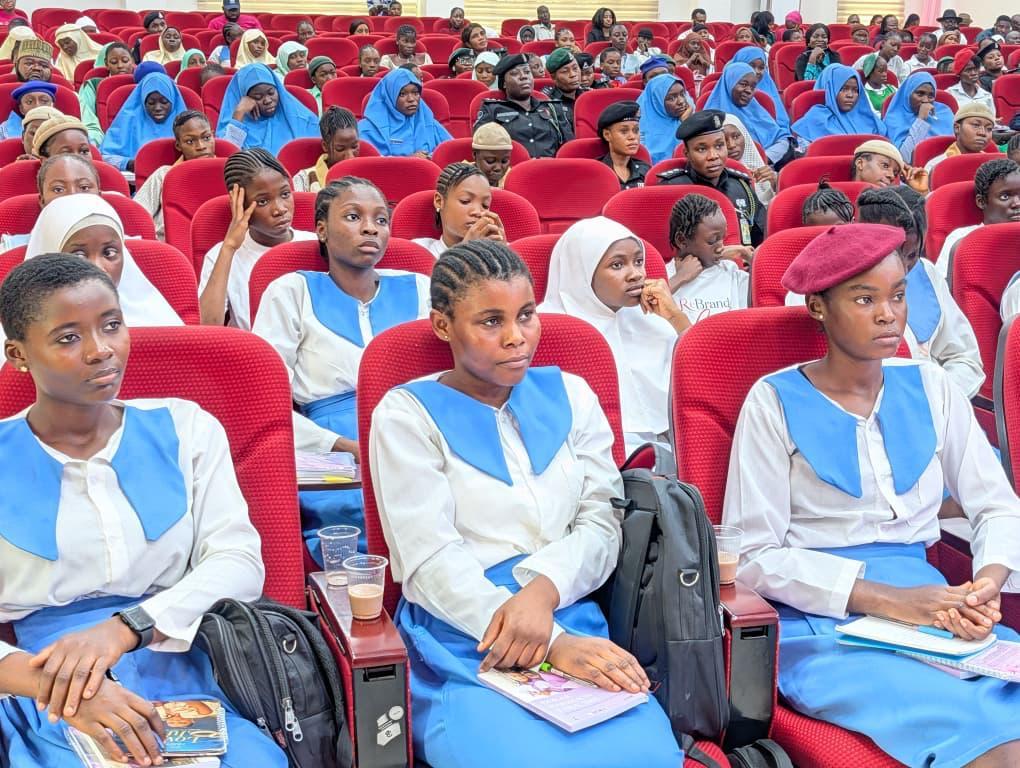
Stakeholders and students have called for stronger enforcement of child protection policies, free and quality education, improved healthcare and closer collaboration among government agencies, schools, families and communities to end child marriage and secure a safer future for Nigerian girls.
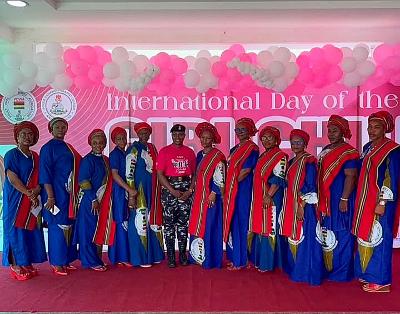
The call came during a panel discussion at the 2026 International Day of the Girl Child celebration, organised by the Police Campaign Against Cultism and Other Vices (POCACOV) in collaboration with the Police Officers’ Wives Association (POWA) in Abuja, under the theme, “End Child Marriage and Invest in Girls’ Rights.”
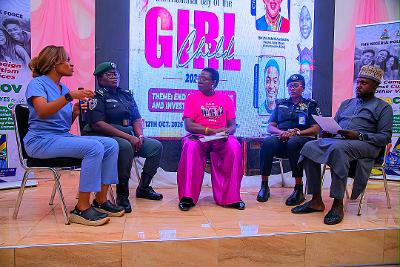
The panel featured ACP Fasimoye Bukola, Commander of the 46 Police Mobile Force; ACP Georglyn Uformadu, Area Commander, Metro; medical practitioner Dr Esosa Yakubu; and Bukar Mohammed, representing the Acting Director of the FCT Secondary Education Board.
READ ALSO: 2027 Elections: Stakeholders to Discuss Voter Accountability
The panellists identified poverty, insecurity, harmful social practices and weak implementation of existing policies as factors sustaining child marriage, stressing that protecting girls required practical interventions that addressed its root causes while supporting those already affected.
Addressing the link between poverty, insecurity and early marriage, Uformadu recounted a disturbing case from South Sudan in which a father reportedly inflicted severe harm on his daughter after she resisted a marriage arrangement associated with financial and material benefits.
The account highlighted the devastating consequences of treating girls as instruments of family gain and the need for institutions to collaborate in preventing abuse, identifying vulnerable children and strengthening protective systems.
Bukola advocated regular stakeholder engagement and effective communication, urging girls to break the culture of silence, know their rights and report threats or abuse to trusted adults or the police.
Students also shared their experiences and concerns during the discussion, highlighting the importance of believing children when they report inappropriate behaviour and ensuring they have trusted adults who can intervene on their behalf.
One student recounted an alleged experience of inappropriate advances by an adult known to her, saying that when she reported the incident to her mother, she was not believed. The account underscored the need for parents to take children’s disclosures seriously and for schools and communities to provide safe channels for reporting abuse.
Responding to the concerns, Uformadu advised children to seek help from trusted relatives, mentors and teachers who could support them in addressing abuse and engaging their parents.
The panellists also highlighted agencies such as the National Agency for the Prohibition of Trafficking in Persons (NAPTIP) and police gender-based violence desks as possible sources of assistance.
Representing the education sector, Mohammed said the challenge extended beyond policy formulation to implementation, urging the government to provide free, quality education, improve education funding and strengthen follow-up mechanisms to keep girls in school.
“Students say we want education. We want education. We want quality, free education,” Mohammed said.
From the healthcare perspective, Yakubu called for education, continuous family and community support, mental health services, rehabilitation and vocational skills development for survivors.
She warned that early pregnancy could expose girls to serious complications, including obstructed labour, bleeding and death, stressing the need for appropriate healthcare and psychosocial support.
The panellists urged stakeholders to translate policies into action through coordinated law enforcement, accessible education, responsive healthcare and community-based protection, while encouraging students to speak up, support one another and pursue their educational aspirations.