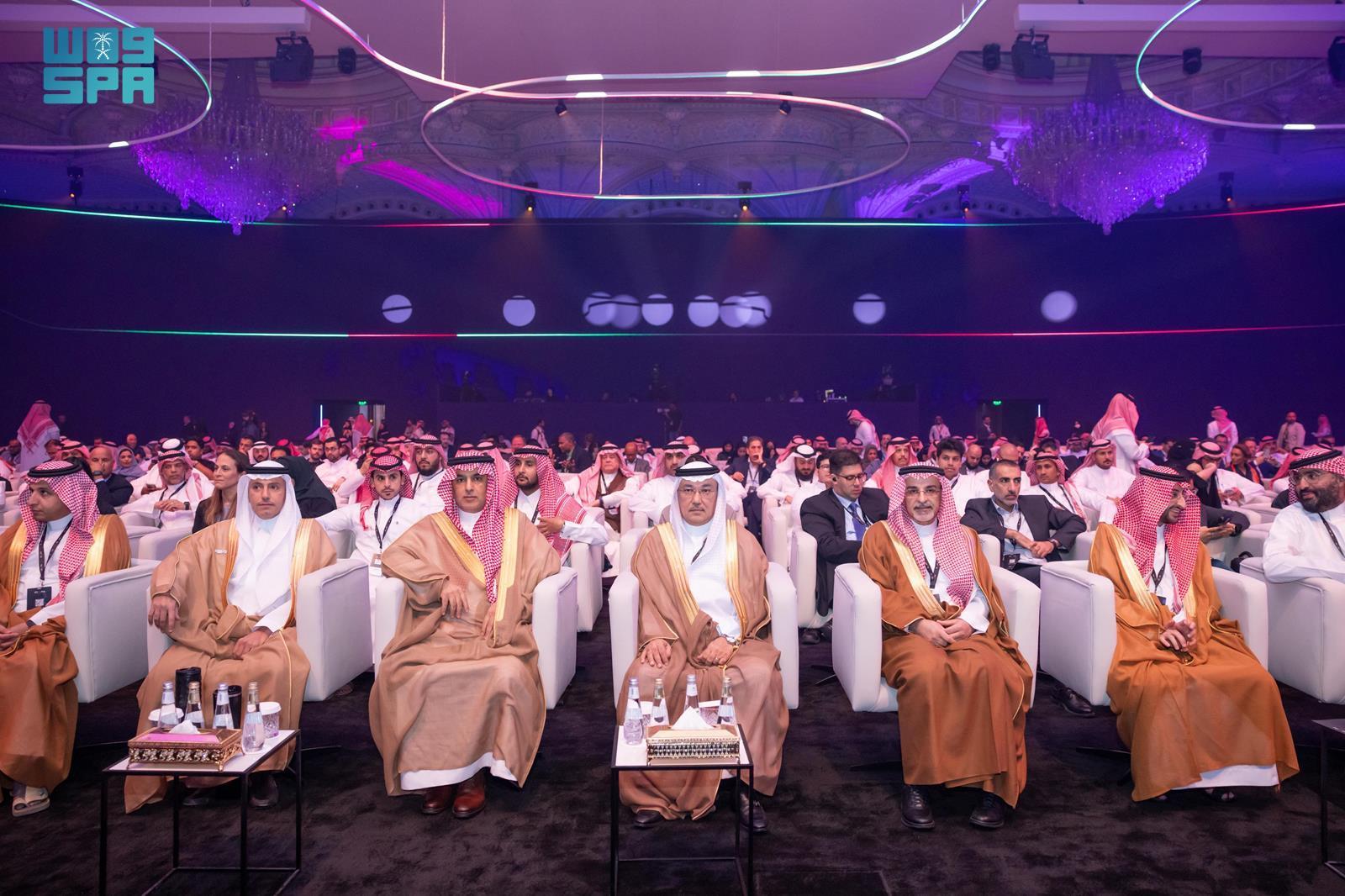
The fourth UNESCO Global Forum on the Ethics of Artificial Intelligence (GFEAI 2026) has opened in Riyadh, Saudi Arabia, with governments, international organisations, academics, researchers, civil society and private-sector representatives discussing ways to strengthen global cooperation on ethical and inclusive artificial intelligence governance.
The forum, which runs from September 14 to 17 at The Ritz-Carlton, Riyadh, is being jointly hosted by the United Nations Educational, Scientific and Cultural Organisation (UNESCO) and the Kingdom of Saudi Arabia, represented by the Saudi Data and Artificial Intelligence Authority (SDAIA) and the International Center for Artificial Intelligence Research and Ethics (ICAIRE).
It is being held under the theme, “Transforming Global Cooperation for Ethical AI Governance.”
The forum is focused on translating international principles on AI ethics into practical governance measures and strengthening cooperation among countries as artificial intelligence develops rapidly across different sectors.
Discussions cover AI ethics and governance, international cooperation, responsible innovation, capacity building, financing for ethical AI governance, education, culture, environmental sustainability, gender equality, youth and emerging technologies.
The programme includes high-level ministerial dialogues, plenary sessions, expert panels, scientific briefings and specialised workshops. The official forum programme lists seven high-level ministerial dialogues and plenaries, 21 expert panels and two side events.
Strengthening international cooperation
A major focus of the forum is the implementation of UNESCO’s Recommendation on the Ethics of Artificial Intelligence, adopted by UNESCO Member States in 2021.
The recommendation provides a global framework for addressing the ethical, social and human-rights implications of artificial intelligence, with emphasis on human dignity, fundamental rights, inclusion, gender equality, environmental sustainability and responsible innovation.
The Riyadh forum is examining how countries can move from broad ethical principles to practical policies, institutions and mechanisms for responsible AI governance.

At the opening of the forum, SDAIA President Dr Abdullah Alghamdi said addressing AI required more than adopting new technologies, stressing the need for institutions, regulatory frameworks, human and technical capabilities and international partnerships.
He said Saudi Arabia’s hosting of the forum was taking place in a year designated by the Kingdom as the Year of Artificial Intelligence.
UNESCO Deputy Director-General Åsa Regnér also highlighted the importance of international cooperation and said Saudi Arabia had completed UNESCO’s Readiness Assessment Methodology process.
UNESCO to launch new AI governance tools
One of the major developments at the forum is UNESCO’s launch of three tools aimed at helping countries strengthen ethical and inclusive AI governance.
The tools include an updated version of UNESCO’s Readiness Assessment Methodology, RAM 2.0, an analysis of findings from the methodology and an AI Environment and Ecosystems Toolkit.
UNESCO says RAM 2.0 incorporates additional perspectives from women, persons with disabilities and indigenous peoples.
The analysis of RAM findings is intended to identify global trends and gaps in AI governance, while the environmental toolkit will help policymakers address the environmental footprint of AI systems and explore ways AI can contribute to climate action, biodiversity conservation and ecosystem resilience.
UNESCO says it has partnered with 77 countries to provide technical support for national AI strategies and policies, while 58 countries have completed the RAM process.
The organisation says the methodology has contributed to AI strategies in countries including Bangladesh, Colombia, Ghana, Nigeria and Zimbabwe and has also informed regional initiatives including the African Union Continental AI Strategy.
Nigeria’s AI readiness
Nigeria features among the countries whose AI policy development has been supported through UNESCO’s Readiness Assessment Methodology.

UNESCO says the RAM process in Nigeria contributed to the development of the country’s National AI Strategy, bringing together stakeholders from government, academia, the private sector and civil society.
The Nigerian experience forms part of UNESCO’s broader work to help countries assess their legal, social, economic, educational and technological preparedness for the development and governance of artificial intelligence.
AI, education and society
Education, culture and the wider social impact of AI are also prominent issues at the Riyadh forum.
Sessions are examining how AI is changing education and cultural production, while also considering issues such as inclusion, gender equality, youth and the environmental consequences of increasingly powerful AI systems.
The forum’s programme also includes discussions on emerging areas such as neurotechnology and synthetic biology, where advances in AI are creating new opportunities as well as governance and ethical questions.
Saudi Press Agency reported on September 16 that the cultural sector was participating in the forum, with discussions focusing on the relationship between AI, culture and ethical governance.
Another session examined AI ethics and environmental sustainability, reflecting growing international attention to the energy and environmental implications of AI development.
A continuing global dialogue
The Riyadh meeting is the fourth edition of UNESCO’s Global Forum on the Ethics of AI and forms part of the organisation’s continuing efforts to support implementation of its 2021 Recommendation on the Ethics of Artificial Intelligence.
The forum is intended to strengthen dialogue between governments and other stakeholders and to facilitate the exchange of knowledge, policy experiences and practical approaches to AI governance.
The 2026 edition is scheduled to conclude on September 17, with discussions continuing on international cooperation, responsible innovation, capacity building and practical approaches to ethical AI governance.