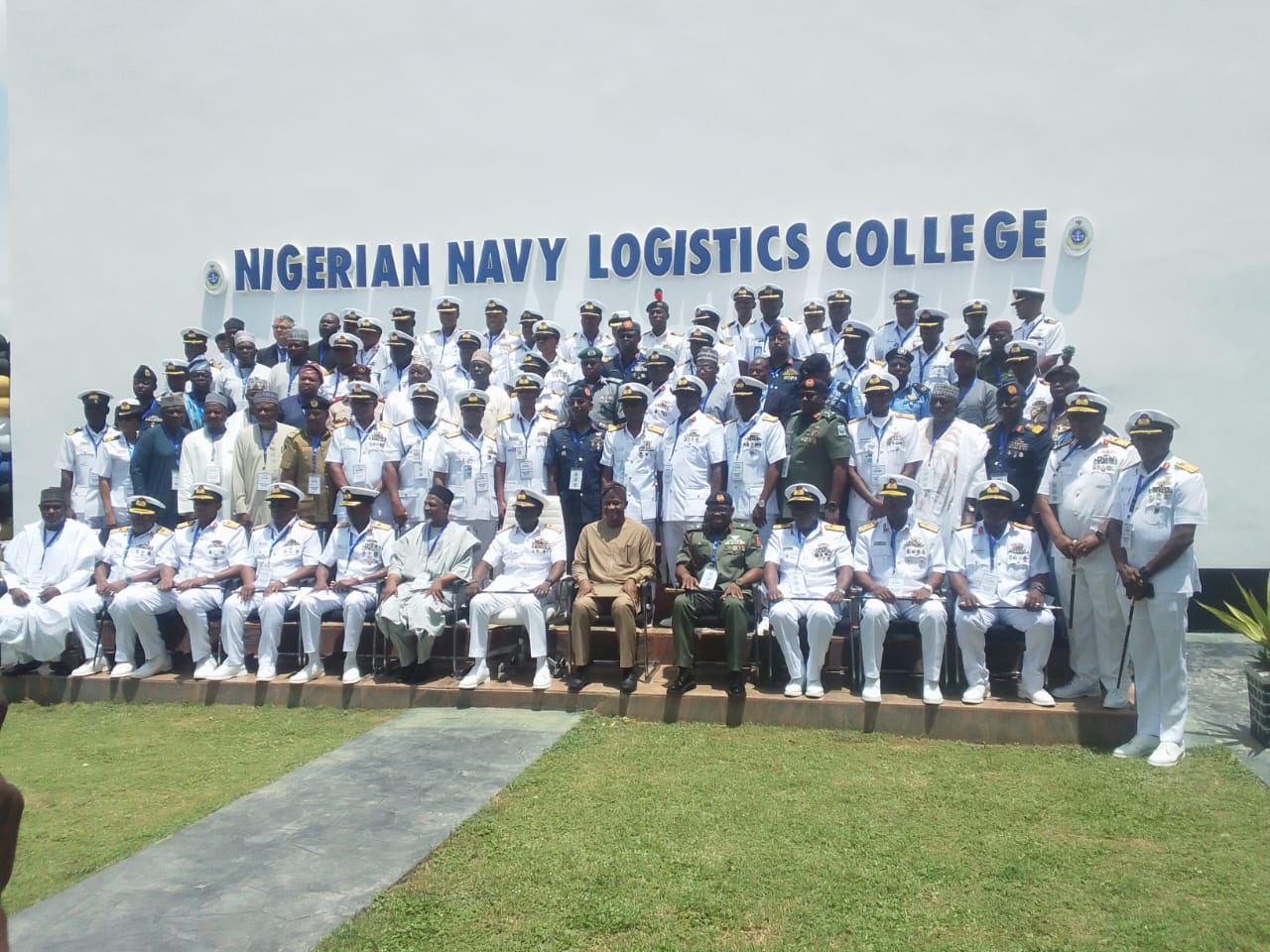
The Chief of Naval Staff, Vice Admiral Idi Abbas, has called for a more efficient and technology-driven logistics system to strengthen the Nigerian Navy’s operational readiness and ability to respond to emerging security challenges across the country.
Abbas made the call while declaring open the Nigerian Navy Logistics Seminar 2026 at the Nigerian Navy Logistics College, Dawakin Tofa, Kano State, North West Nigeria.
The Chief of Naval Staff said the increasing complexity of military operations had placed greater demands on the systems responsible for sustaining naval platforms, personnel and infrastructure.
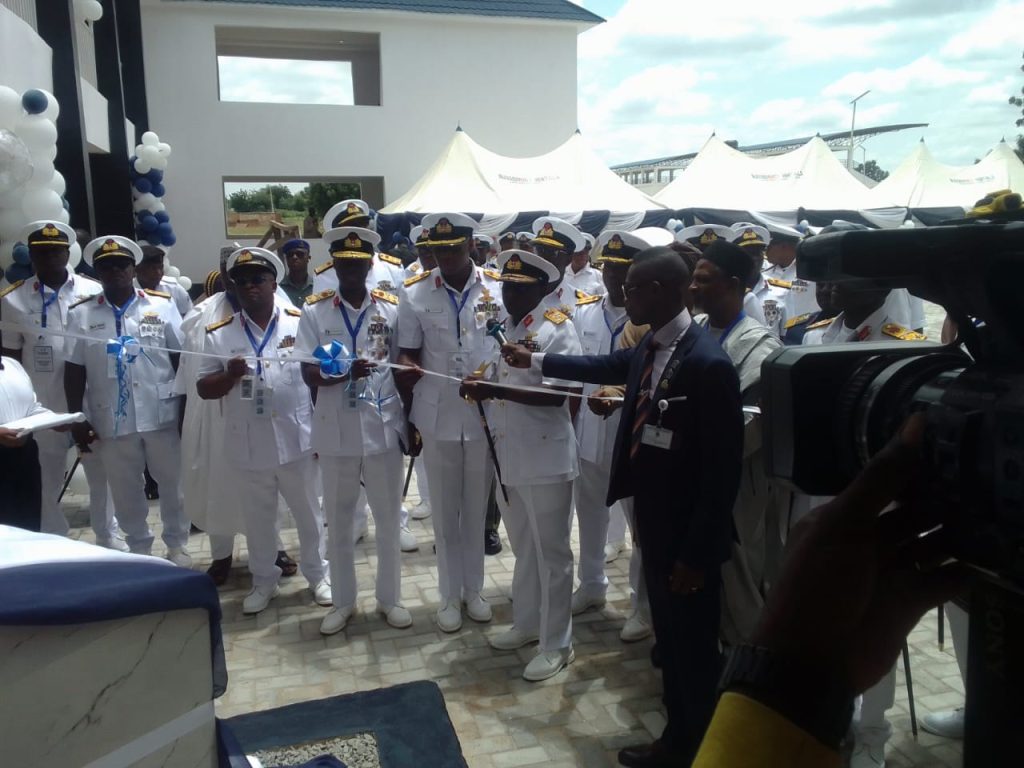
He stressed that effective logistics must guarantee the availability of the right resources, in the right condition, at the right place and at the right time to support operational objectives.
READ ALSO: Nigerian Navy Steps Up Fight Against Oil Theft
According to him, the Navy’s logistics system has evolved significantly over the years, with logistics established as a distinct branch to promote professional management and improve operational support.
Abbas traced the development of professional logistics training from the establishment of the Nigerian Navy Supply School in Calabar in 1978 to the Nigerian Navy Logistics College, which was relocated to Dawakin Tofa in January 2022.
He challenged participants at the seminar to develop practical recommendations that would improve resource planning, procurement, inventory management, accountability and service delivery within the Navy.
The Navy Chief also stressed the need for greater deployment of Information and Communication Technology, integrated logistics information systems and effective lifecycle management as key components of his Strategic Directive 2026–2027.
He called for improved fleet maintenance and stronger lifecycle support, noting that logistics efficiency was critical to sustaining naval platforms and personnel during operations.
Vice Admiral Abbas said Nigeria’s evolving security environment had expanded the responsibilities of the Navy beyond conventional maritime operations to include joint and land-based missions.
He noted that the development of the Nigerian Navy Marines and Special Operations Command had created additional logistics requirements, including land mobility, field sustainment, combat supplies, temporary accommodation, medical support and forward maintenance.
The Chief of Naval Staff called for the development of a long-term logistics roadmap capable of supporting fleet renewal, indigenous shipbuilding and future operational requirements.
He said logistics renewal must move in tandem with fleet modernisation, with adequate attention given to infrastructure, spare parts, petroleum, oils and lubricants, technical manpower, maintenance and technology.
Earlier, the Chief of Naval Logistics, Navy Headquarters, Rear Admiral Suleiman Abdullahi, said the seminar was designed to bring together military professionals, industry practitioners, technical experts and other stakeholders to share experiences and develop practical solutions for improving the Nigerian Navy’s logistics system.
Abdullahi said the programme featured presentations, panel discussions and interactive sessions to enable participants to examine existing practices, challenges and lessons learned in naval logistics.
He urged participants to engage openly and professionally on issues affecting the responsiveness, efficiency and effectiveness of the Navy’s logistics system, with emphasis on ensuring that logistical support adequately meets operational requirements.
The seminar is expected to contribute to ongoing efforts to strengthen the Nigerian Navy’s capacity to sustain operations and respond effectively to Nigeria’s evolving security and maritime challenges.