
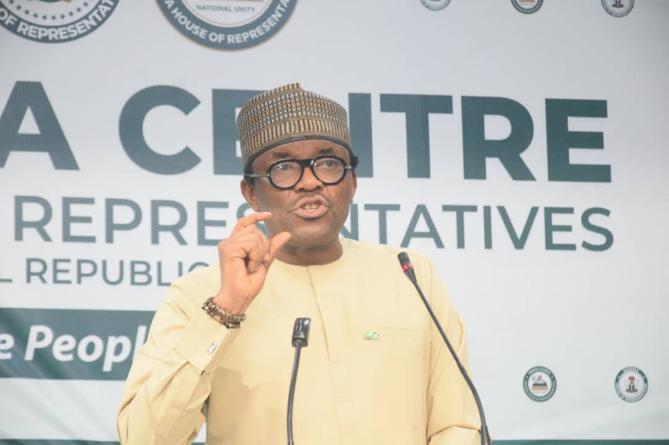
The House of Representatives has passed for second reading, a bill seeking to establish the Nutritionists Registration Council of Nigeria, a proposed regulatory body aimed at standardising the nutrition profession and protecting the public from unqualified practitioners.
Sponsored by Dr. Chike Okafor, the legislation seeks to regulate the practice of nutrition across the country through the registration, licensing and monitoring of qualified professionals.
Leading the debate on the bill, Okafor described the proposal as a timely legislative intervention to address Nigeria’s persistent nutrition challenges and strengthen accountability within the sector.
“This bill is a necessary legislative response to the growing challenge of malnutrition and food insecurity confronting our country,” he said.
The lawmaker explained that the proposed council would operate as a self-financing professional body, similar to other regulatory councils, and would not impose any financial burden on the Federal Government.
“The Nutritionists Registration Council of Nigeria, when established, will be self-funding just like other professional regulatory bodies in Nigeria,” Okafor stated.
READ ALSO: House of Reps Plans Comprehensive Health Reforms
He also dismissed concerns that the proposed legislation would conflict with the Dietitians Council Bill, stressing that both professions perform different but complementary roles within the healthcare system.
According to him, while dietitians primarily provide clinical nutrition services for patients suffering from conditions such as diabetes and kidney disease, nutritionists focus on public health nutrition, maternal and child nutrition, food policy, research, nutrition education and programme implementation.
“This bill is not in competition with the Dietitians Council Bill. Both are complementary and address different professional responsibilities,” he said.
Okafor argued that the absence of a legal framework regulating the title of “nutritionist” has allowed unqualified individuals to operate in the profession, posing risks to public health.
“Currently, the title ‘Nutritionist’ is not legally protected in Nigeria, leaving the profession vulnerable to quackery. This legislation is designed to close that gap and protect the public,” he added.
Child Nutrition
Highlighting the country’s nutritional challenges, the lawmaker cited findings from the 2023/2024 National Demographic Health Survey, which showed increasing rates of child malnutrition, stunting and maternal anaemia despite significant public investment in nutrition programmes.
He noted that the Federal Government and development partners have committed substantial resources, including funding, under the $232 million Accelerating Nutrition Results in Nigeria (ANRiN) programme, yet outcomes remain below expectations.
“The absence of a professional regulatory framework has created a disconnect between investment, accountability and effective implementation of nutrition policies,” Okafor said.
Under the proposed law, the council would maintain a national register of nutritionists and nutrition assistants, set minimum educational and professional standards, accredit training institutions, investigate professional misconduct and sanction erring practitioners.
The council would also collaborate with federal and state health authorities, the National Universities Commission and international partners to promote nutrition education, strengthen food systems and improve public health outcomes.
Okafor said regulating the profession would ensure that qualified nutritionists contribute more effectively to healthcare delivery in hospitals, primary healthcare centres, schools and correctional facilities, while supporting efforts to improve food security and healthy living nationwide.
“This legislation will professionalise the nutrition workforce, protect public health and ensure greater accountability for investments made in improving nutrition across Nigeria,” he said.
Following its successful second reading, the House referred the bill to the Committee on Nutrition for further legislative consideration.

