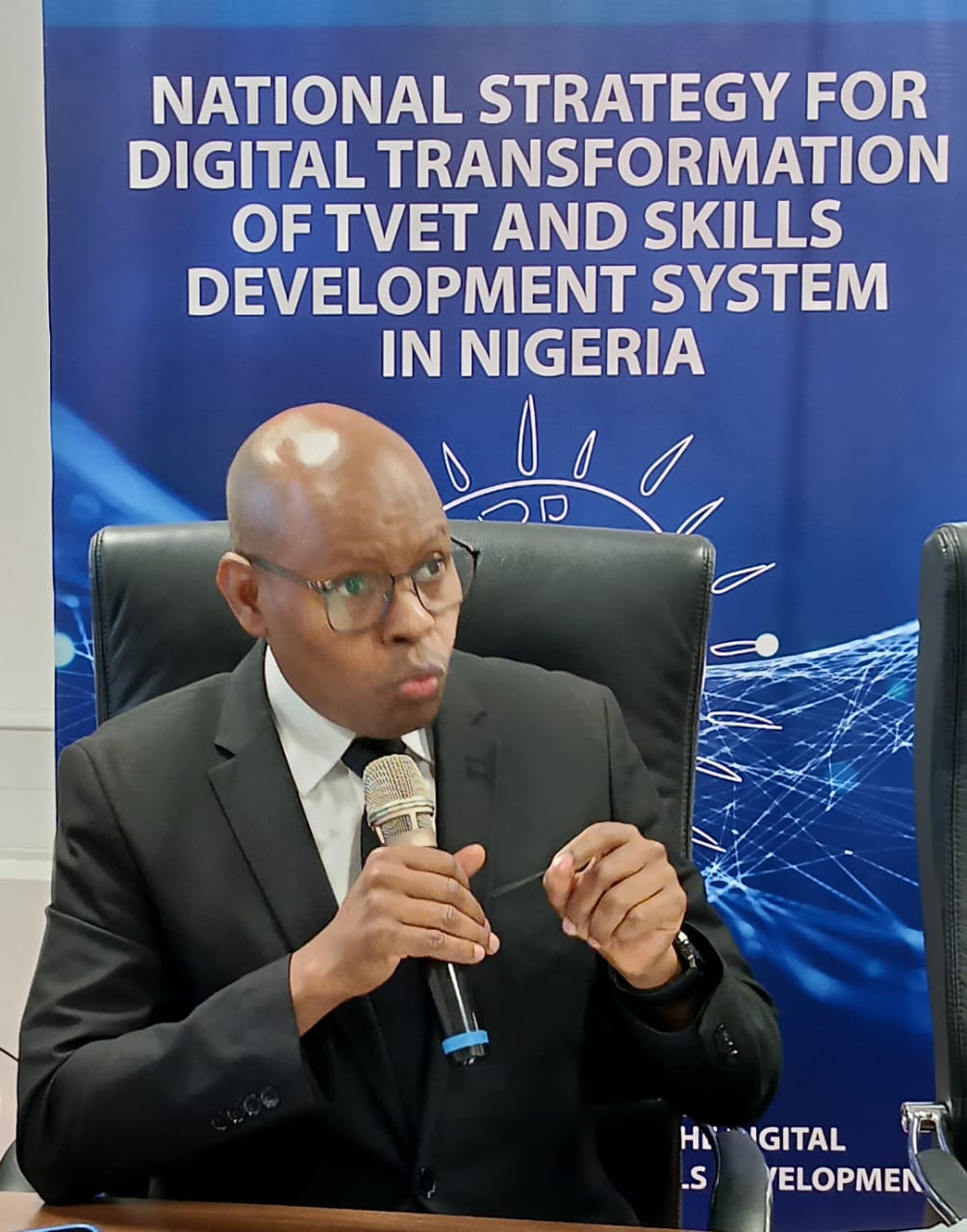
The United Nations Educational, Scientific and Cultural Organisation (UNESCO) has urged Nigeria to accelerate the digital transformation of its Technical and Vocational Education and Training (TVET) system to prepare young people for the changing world of work.
The UNESCO Representative to Nigeria and Head of the UNESCO Office in Abuja, Dr Isaias Barreto da Rosa, made the call at the validation workshop on the National Strategy for the Digital Transformation of the TVET and Skills Development System in Nigeria, in Abuja, Nigeria.
The validation exercise is therefore expected to strengthen national ownership of the strategy and establish a clearer pathway for implementation, with the ultimate goal of preparing Nigerian young people for current and emerging employment opportunities in an increasingly digital economy.
READ ALSO: Education Minister Promotes TVET for Economic Growth
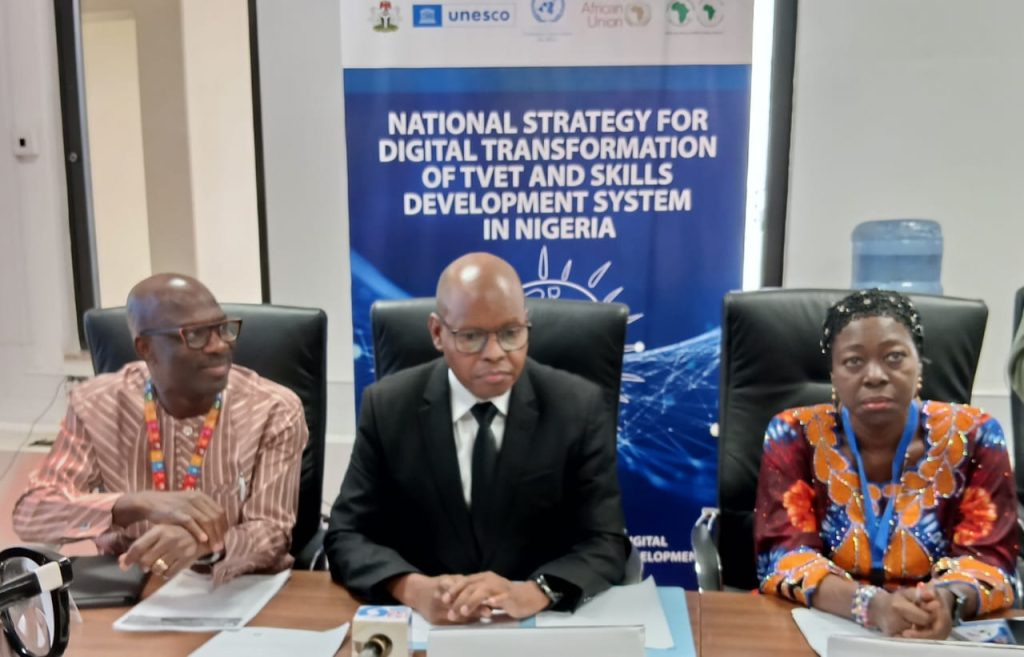
Da Rosa said rapid developments in digital technologies, automation and artificial intelligence were transforming occupations and creating new demands for skills, making it necessary for Nigeria’s TVET system to anticipate changes in the labour market.
“TVET must anticipate change rather than simply react to it,” he stated.
According to him, the digital transformation of TVET could expand opportunities for young Nigerians, strengthen employability and entrepreneurship, support innovation and contribute to inclusive and sustainable economic growth.
He said the validation exercise should go beyond merely approving a policy document, stressing that the strategy must be realistic and capable of producing measurable results.
“A strategy becomes meaningful when it changes what happens in institutions, classrooms, workshops, communities and workplaces,” he noted.
He identified poor connectivity and unreliable electricity, inadequate access to digital infrastructure and devices, limited digital competencies among teachers, instructors and learners, sustainable financing and weak institutional coordination as some of the challenges requiring urgent attention.
The UNESCO representative also warned that digital transformation must not widen existing social and economic inequalities.
“Digital transformation must ultimately be about people, not technology. Technology is a means, not an end,” he emphasised.
Da Rosa explained that the success of the strategy should not be judged simply by the number of computers purchased or digital platforms established, but by the impact on learners, teachers, institutions and industry.
“Our success will therefore not be measured simply by how many computers are acquired or how many digital platforms are created. It will be measured by whether a young woman or man acquires relevant skills and finds decent work; whether a TVET instructor is better equipped to teach; whether institutions respond more effectively to the needs of industry; and whether technology expands opportunities for those who might otherwise be left behind,” he stressed.
Da Rosa, while reaffirming UNESCO’s commitment to working with the Nigerian government and other partners to develop an inclusive, innovative and future-ready TVET system capable of preparing young Nigerians for the jobs of today and the opportunities of tomorrow, urged stakeholders to ensure that the final document was both ambitious and practical.
“Let us ask not only what needs to be done, but also who will do it, how it will be financed, when it will be delivered, and how we will measure success,” he noted.
Representing the Minister of Education, Dr Maruf Tunji Alausa, the Director of Technology and Science Education in the Federal Ministry of Education, Mrs Patricia Oladunni Ogungbemi, said the Federal Government considered the digital transformation of TVET a national priority.
“For Nigeria, the digital transformation of TVET is not merely an aspiration; it is a national priority. The Federal Ministry of Education is implementing reforms aimed at strengthening technical education, expanding digital learning opportunities, modernising training infrastructure, deepening industry partnerships and equipping young Nigerians with digital, technical and entrepreneurial skills,” she disclosed.
Dr Alausa said TVET remained critical to Africa’s aspirations for inclusive economic growth, industrialisation, innovation and sustainable development, adding that training systems must embrace digital technologies, modern teaching methods, data-driven governance and stronger partnerships with industry.
He described the validation process as timely and strategic, saying it would help ensure that the proposed framework reflected the realities, priorities and aspirations of African countries while promoting quality assurance, mutual learning and regional cooperation.
The Secretary-General of the Nigerian National Commission for UNESCO (NATCOM-UNESCO), Dr Lateef Idowu Olagunju, represented by Eunice Ayara, said the strategy was the product of consultations, technical meetings and workshops involving stakeholders across the sector.
Olagunju said digital transformation offered Nigeria an opportunity to modernise TVET institutions, improve access to quality skills training and strengthen collaboration between training institutions and industry.
He said the strategy could also contribute to reducing youth unemployment, promoting entrepreneurship, increasing productivity and addressing skills gaps in the labour market.
“The success of this Strategy will depend not only on its validation but on our collective resolve to translate its recommendations into concrete actions, sustained investments and measurable outcomes,” he revealed.
The Executive Secretary of the National Board for Technical Education (NBTE), Professor Idris Bugaje, represented by the General Manager of the NBTE Centre of Excellence for TVET, Aliyu Hassan, said Nigeria could no longer afford to delay the digital transformation of its skills development system, noting that artificial intelligence, cloud computing, robotics, the Internet of Things, extended reality and learning analytics were transforming workplaces as well as the way knowledge and skills were acquired, assessed and certified.
“Digital transformation is no longer an option; it is an imperative,” he emphasised.
He also disclosed that the agency had developed a National Diploma curriculum in Artificial Intelligence to complement the existing Higher National Diploma programme in AI.
He noted that the NBTE Centre of Excellence was also strengthening the digital competencies of TVET educators and promoting the development of AI-supported Open Educational Resources in collaboration with strategic partners.
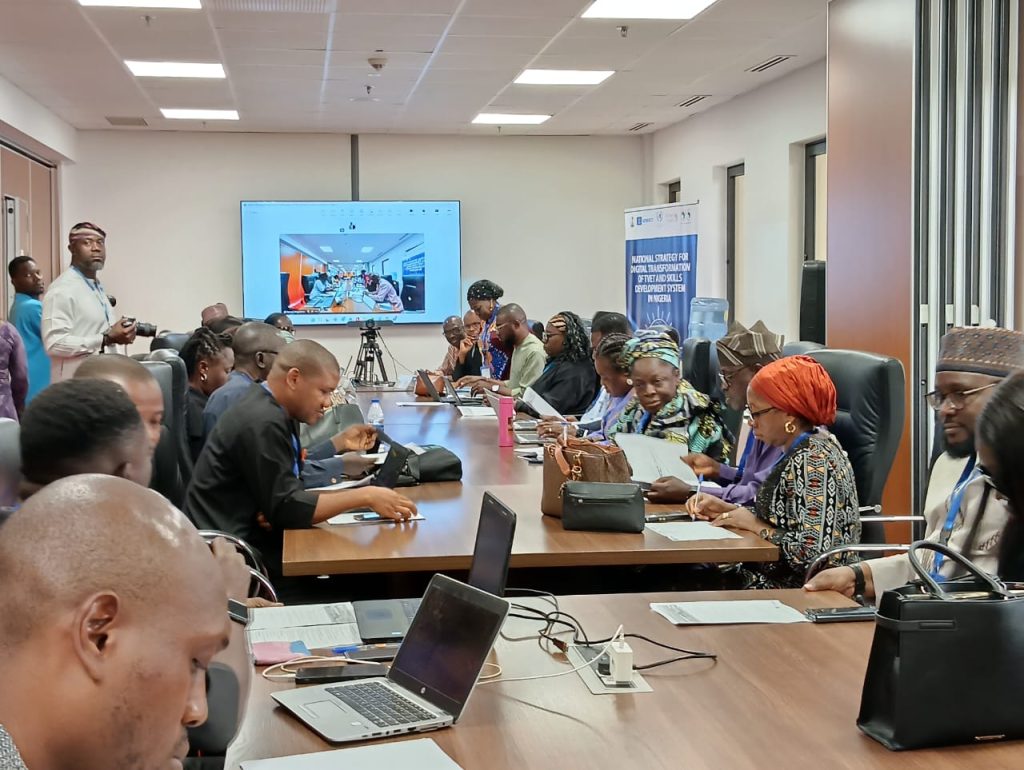
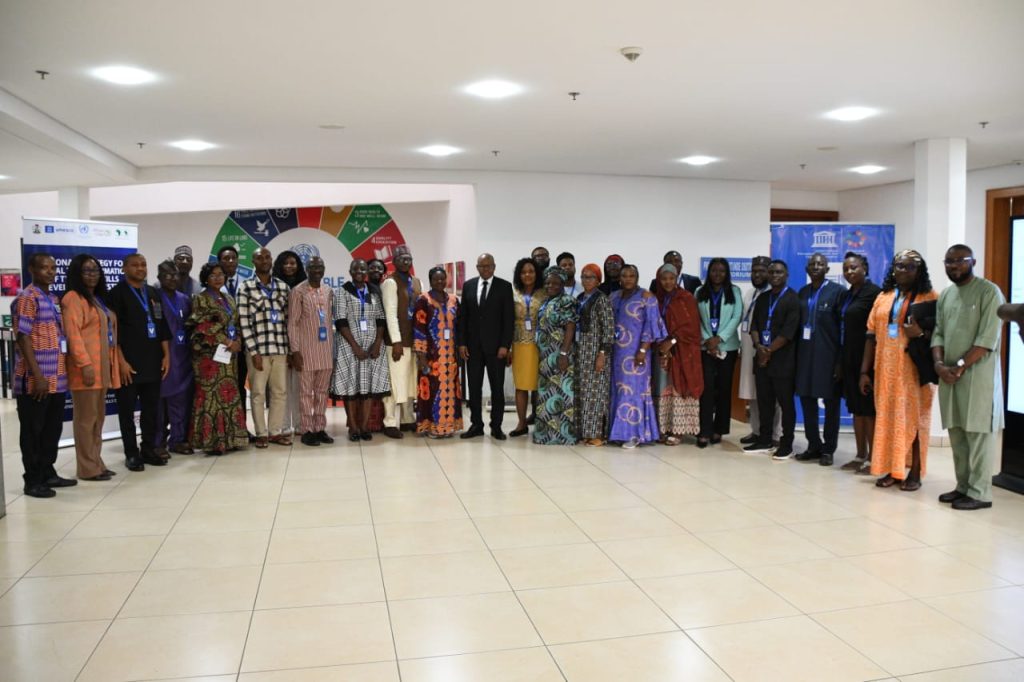
The two-day workshop brought together representatives of government institutions, regulatory bodies, development partners, academia, industry, the private sector, civil society and members of the national technical team.