The Sokoto State Government has defended its poverty reduction efforts, citing billions of naira invested in social protection, agricultural support, skills acquisition and public infrastructure in response to concerns over the state’s ranking in poverty reports.
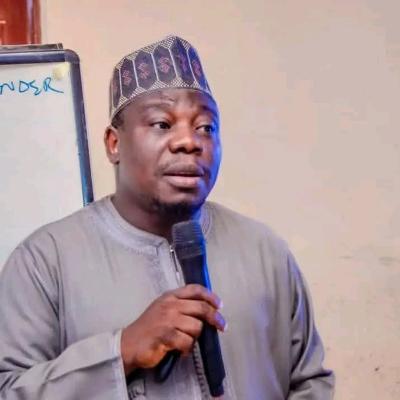
The Commissioner for Budget and Economic Development, Dr Bashir Muhammad Achida, stated this in Sokoto while responding to criticism by the African Democratic Congress (ADC) governorship candidate, Manir Dan’Iya, over a United Nations Development Programme (UNDP) report on multidimensional poverty.
Dan’Iya had expressed concern over Sokoto’s reported position among states affected by poverty, calling on the administration to account for resources accruing to the state and its 23 local government areas.
He also cited an earlier National Bureau of Statistics (NBS) report that placed Sokoto’s multidimensional poverty rate at about 90.5 per cent, arguing that government spending on beautification projects could not replace investments in essential services.
READ ALSO: Sokoto Government Charges New Employees on Hardwork, Dedication
Achida, however, said the previous administration governed the state for eight years, during which, according to him, official poverty assessments consistently ranked Sokoto among the poorest states in the country.
He maintained that the present administration, led by Gov. Ahmed Aliyu, had introduced interventions aimed at reducing poverty and improving livelihoods, although he did not provide current poverty data to substantiate the claimed progress.
The commissioner said the government had supported vulnerable households through the Nigeria Community Action for Resilience and Economic Stimulus (NG-CARES) programme, including cash transfers and business support.
He noted that the state had distributed food items free of charge and at subsidised rates to cushion the effects of rising living costs.
On agriculture, Achida said the government had distributed fertilisers, insecticides and pesticides to farmers to reduce production costs, improve yields and strengthen food security.
He said the interventions were intended to address poverty by supporting production and expanding economic opportunities rather than relying solely on food assistance.
The commissioner also cited women’s empowerment programmes, youth skills acquisition initiatives and support for internally displaced persons and other vulnerable groups as part of the government’s social protection measures.
According to him, the state had also introduced financial support for imams, muezzins and other religious leaders through relevant government agencies.
Achida defended the administration’s infrastructure projects, including urban renewal and road construction, arguing that they generated employment and economic activity for artisans, suppliers, transporters and other small businesses.
He said the government had also invested in education, healthcare and other public services across local government areas, adding that more work was needed to achieve its development objectives.
Achida attributed rising living costs partly to wider economic challenges but expressed optimism that improved economic conditions and government interventions would help reduce poverty.
The commissioner added that the administration would continue to prioritise social protection, agricultural development, entrepreneurship and essential public services.