The Anambra State Governor, Professor Chukwuma Soludo says Nigeria has turned the corner economically, citing improving macroeconomic indicators and rising foreign exchange reserves as evidence of renewed economic stability.
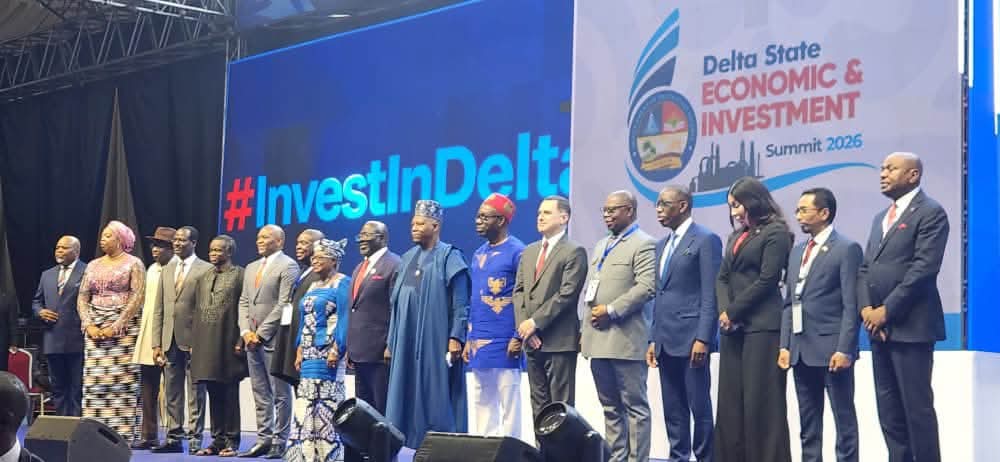
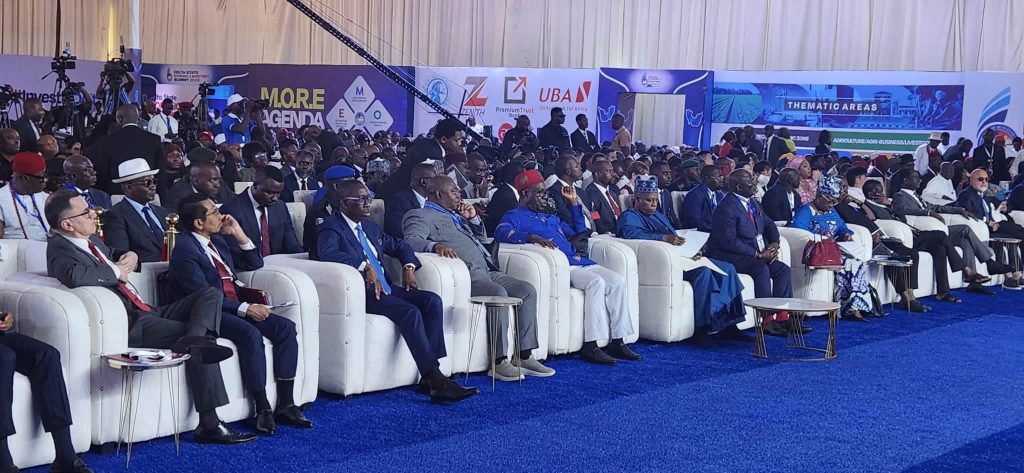
According to a statement by the Governor’s Chief Press Secretary, Christian Aburime, Soludo made the remarks at the Delta State Economic and Investment Summit 2026, themed “Harnessing Our Strengths, Unlocking Our Potentials.”
Aburime said; “the Governor highlighted the growth in Nigeria’s foreign exchange reserves, which he put at about 52 billion dollars, rising from approximately 3 billion dollars in 2023.’
Governor Soludo said the development provides a stronger foundation for investment, job creation, and economic expansion by states and the private sector.
He also spoke on fiscal responsibility in Anambra, saying “his administration had not borrowed any money since assuming office.”
According to Aburime, Governor Soludo said; “the state declined a World Bank loan because of concerns over exposure to exchange-rate fluctuations, stressing that responsible financial management remained central to his administration’s approach.”
On regional economic integration, the Governor called for stronger cooperation among states, describing the relationship between Anambra and Delta as similar to the economic ties between New York and New Jersey.
He disclosed that Anambra was developing an economic free trade zone anchored by an aerotropolis project, which he said would boost trade, investment, and industrial development.
Governor Soludo also commented on economic activities in the Southeast, saying “the heavy traffic recorded in Onitsha on a Monday was evidence that normal commercial activities had returned.”
“To have traffic at Onitsha on a Monday, the Monday sit-at-home is over,” the Governor said.
He urged Nigerians to support locally made products, saying increased patronage of indigenous goods could create millions of jobs and strengthen domestic industries.
Aburime said Governor Soludo used Akwete fabric as an example of the economic opportunities available in Nigeria’s creative sector, adding that the governor encouraged citizens to make local consumption a priority.
He called for a national economic marshal plan to ensure that improvements in economic indicators translate into poverty reduction and improved livelihoods for Nigerians.
“Let’s keep it simple. Let’s make investments a habit and not an event,” Governor Soludo was quoted as saying.
The summit featured contributions from key economic stakeholders, including the Minister of Finance, Taiwo Oyedele, who said the Nigerian Government had established a stronger macroeconomic foundation for sub-national governments to drive local development.
The Director-General of the World Trade Organisation (WTO), Dr Ngozi Okonjo-Iweala, highlighted economic diversification, digital connectivity, and youth empowerment as key areas that could accelerate Africa’s economic growth.
Professor Patrick Lumumba urged African countries to take greater ownership of investments under the African Continental Free Trade Area (AfCFTA), stressing that reliable energy supply remained critical to industrialisation.
Earlier, the Delta State Governor Sheriff Oborevwori said Delta was open to strategic investments and partnerships that would promote economic growth and development.