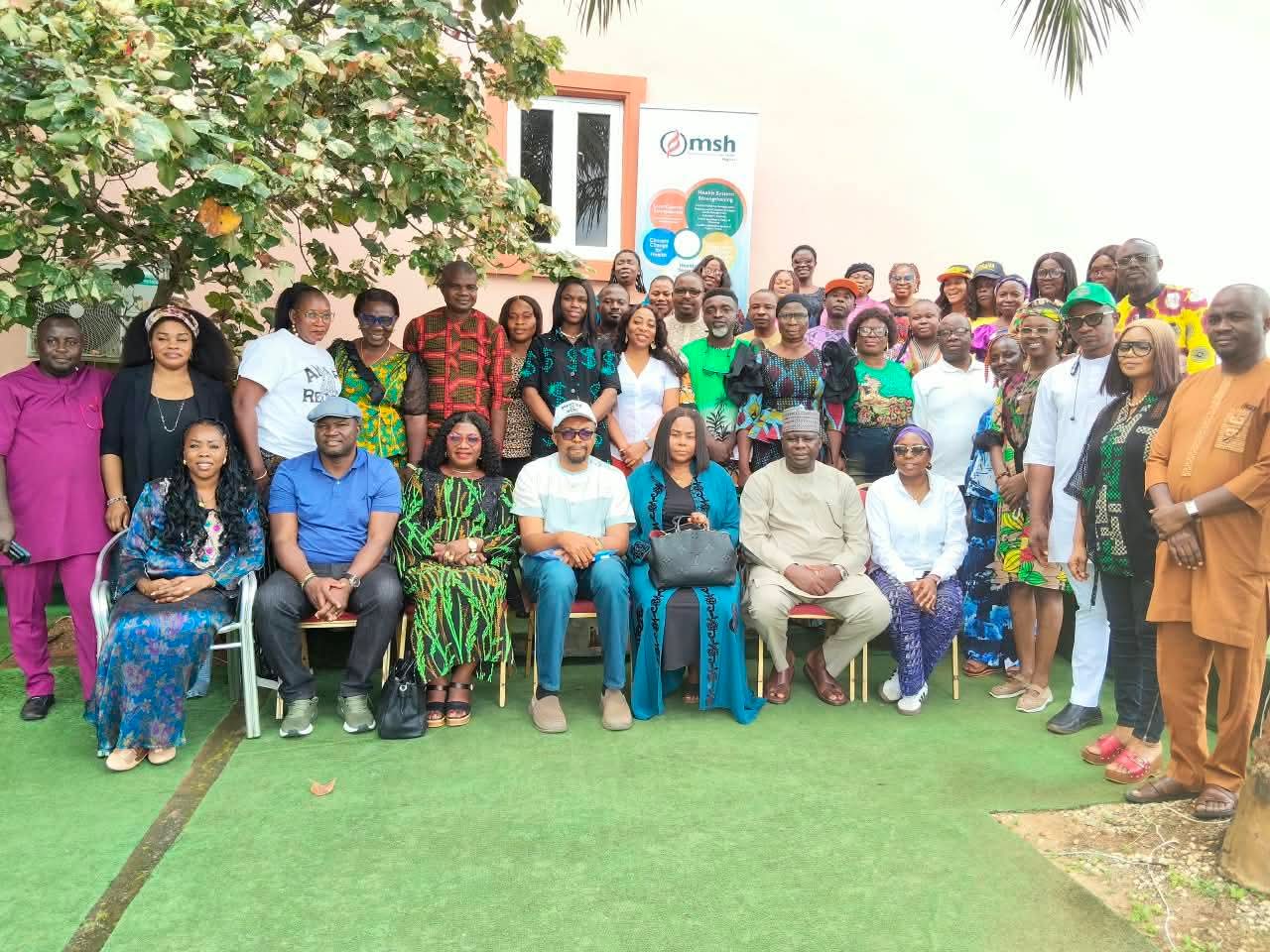
Anambra State has been selected as one of Nigeria’s pilot states for the implementation of a national Community-Based Health Workforce (CBHW) programme aimed at strengthening primary healthcare, improving referral systems and expanding access to quality healthcare at the grassroots.
The programme is being implemented through a partnership involving the Mastercard Foundation, mSh Nigeria, the Association of Local Governments of Nigeria (ALGON), other development partners and the Anambra State Government.
The initiative is expected to generate evidence and best practices that will help shape community healthcare delivery and support the eventual expansion of the programme to other states.
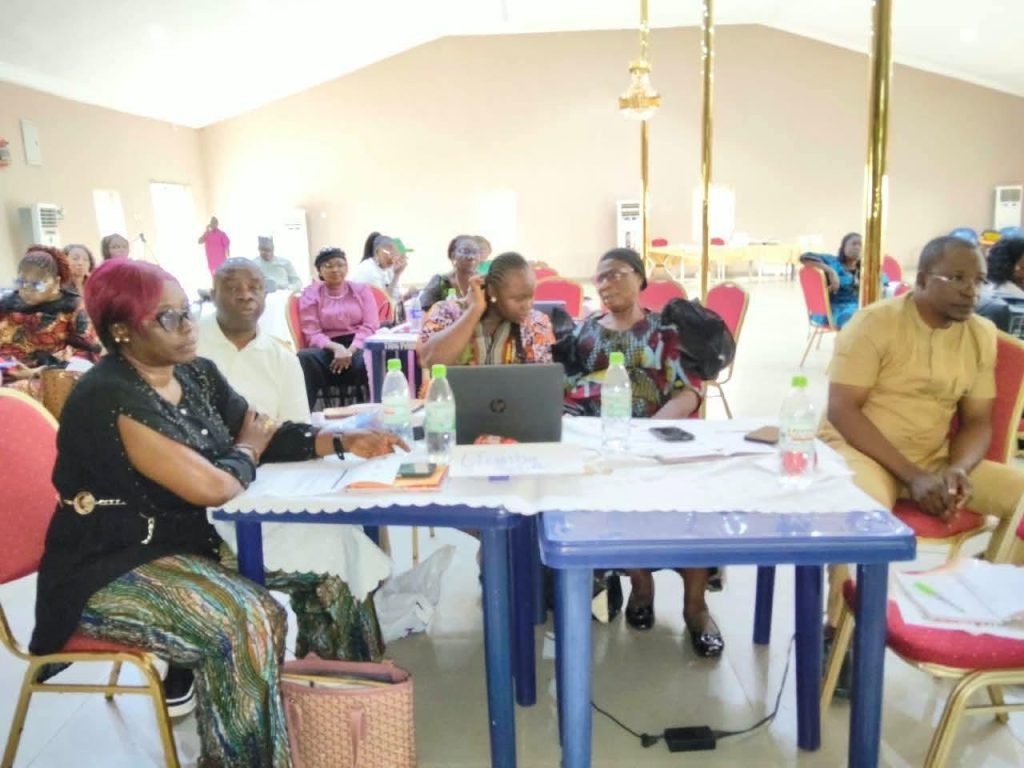
Anambra State Commissioner for Health, Dr Afam Obidike, disclosed this during a three-day training on “Leading and Managing Your Community-Based Health Workforce (CBHW) Program” held in Amawbia from August 18 to 20, 2026, for Local Government Health Authorities.
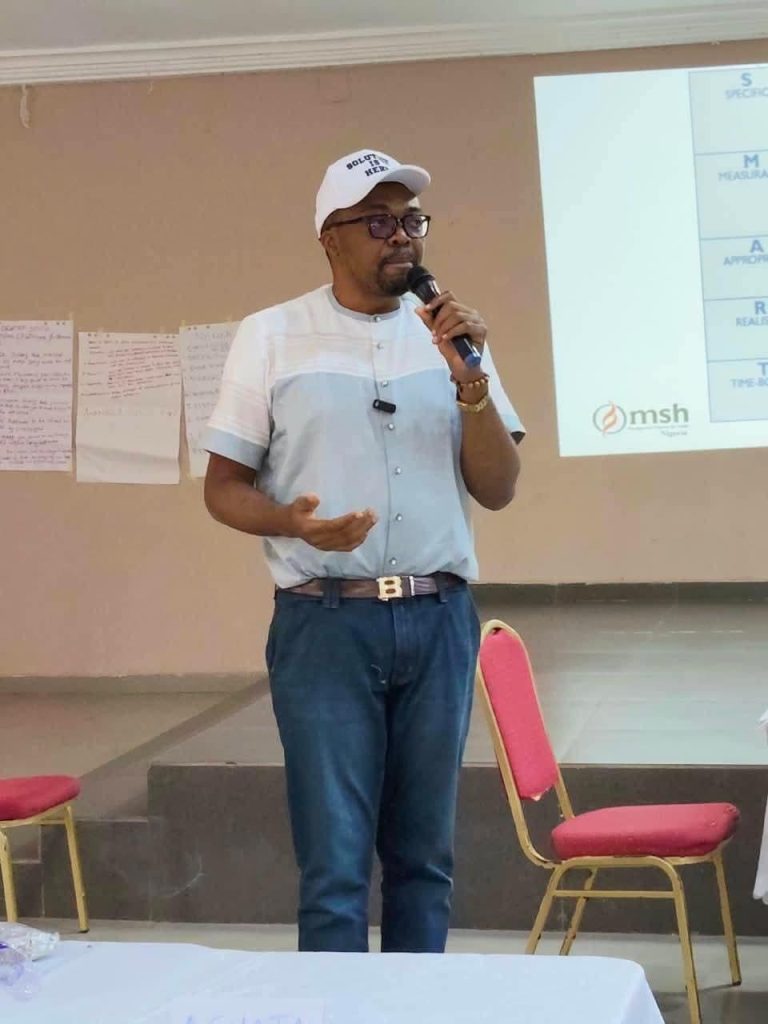
Obidike said Anambra’s selection reflected national confidence in the state’s healthcare reforms and provided an opportunity to demonstrate a model that could be replicated across Nigeria to strengthen primary healthcare and reduce preventable deaths.
He explained that the CBHW programme would equip local government health managers with the skills to coordinate community health workers more effectively and ensure that residents received timely care through an integrated referral system linking communities with primary healthcare centres, general hospitals and teaching hospitals.
The Commissioner said each of the state’s 21 local government areas already had a Supervisor for Health responsible for coordinating healthcare services, adding that the programme would strengthen accountability and improve coordination across all levels of care.
He noted that trained community health workers would play a critical role in identifying illnesses early, facilitating prompt referrals and ensuring that patients were connected to appropriate health facilities.
Obidike further explained that frontline health workers at primary healthcare centres would also receive clinical support from doctors to improve patient management and treatment outcomes.
He said the strengthened referral system would enable patients requiring specialist care to be transferred seamlessly from primary healthcare centres to general hospitals and, where necessary, teaching hospitals, thereby reducing avoidable deaths.
The Commissioner also highlighted the importance of efficient emergency transportation, saying the state government was working to improve ambulance services and other patient transport mechanisms to minimise delays in accessing life-saving care.
Obidike identified delays in recognising illness, deciding to seek treatment, reaching healthcare facilities and receiving medical attention as major factors contributing to maternal and other preventable deaths.
He said the government was addressing the challenges through health education, improved transportation and expanded healthcare manpower.
The Commissioner further disclosed that the state would soon commence a comprehensive public health education campaign focusing on disease prevention, particularly non-communicable diseases, while encouraging residents to seek medical attention early.
He revealed that development partners would collect and analyse data generated from the pilot programme to identify best practices and provide evidence for scaling up the initiative across other states.
Obidike said the programme would position Anambra at the forefront of efforts to strengthen Nigeria’s primary healthcare system and commended the development partners for their support.
He therefore urged all stakeholders to work collaboratively to ensure the successful implementation of the programme.
The workshop was attended by the Executive Secretary of the Anambra State Primary Health Care Development Agency, Dr Chizoba Ezeasor; the Permanent Secretary, Anambra State Ministry of Health, Dr Obiageli Uchebo; Local Government Health Authorities, Supervisors for Health and other healthcare professionals.