
The Anambra State Government has commenced the procurement and distribution of essential medicines, medical consumables and equipment to strengthen its Free Antenatal Care (ANC) and Delivery Services Programme across public health facilities.
The initiative is designed to improve maternal and child healthcare by equipping government hospitals with the supplies required for routine antenatal care, safe deliveries, caesarean sections and emergency obstetric services.

The Anambra State Ministry of Health said “the procurement includes intravenous fluids, antibiotics, anaesthetic drugs, sutures, surgical consumables, syringes, cannulas, laboratory reagents, disinfectants and diagnostic supplies to ensure uninterrupted healthcare delivery.”
The programme also covers antenatal medications, including iron and folic acid supplements, calcium, vitamin C, multivitamins and other essential drugs to support the health of pregnant women throughout pregnancy.
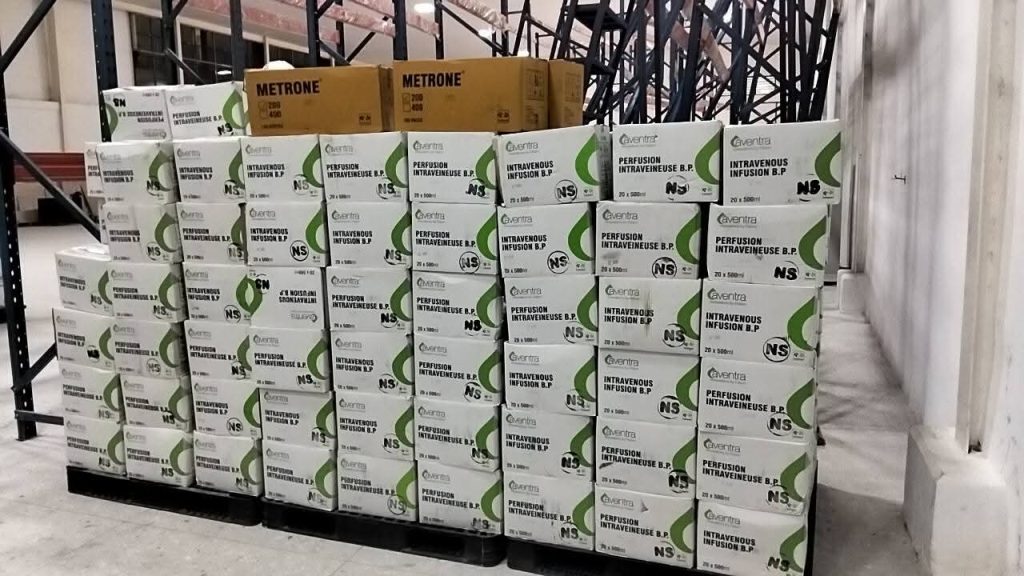
To strengthen diagnostic and infection prevention services, Public health facilities will receive laboratory test kits, partographs for monitoring labour, spinal needles, glucose preparations, detergents, methylated spirit and other critical consumables.
The state government said the supplies would enhance the capacity of public hospitals to provide timely, safe and effective care for pregnant women and newborns, while ensuring healthcare workers have the resources needed to deliver quality healthcare services.

The procurement forms part of the healthcare reforms of the Governor Chukwuma Soludo administration aimed at reducing preventable maternal and newborn deaths by removing financial barriers to essential maternal healthcare.
According to the government, thousands of women have benefited from the Free Antenatal Care and Delivery Programme since its introduction, although no official figures were provided.
The Ministry of Health said “all medicines, consumables and medical equipment would undergo quality assurance checks to ensure they meet approved manufacturers’ specifications before distribution to designated public health facilities across the state.”
It added that the intervention would further strengthen the state’s healthcare system and improve maternal and child health outcomes by ensuring sustained access to quality, affordable healthcare services.