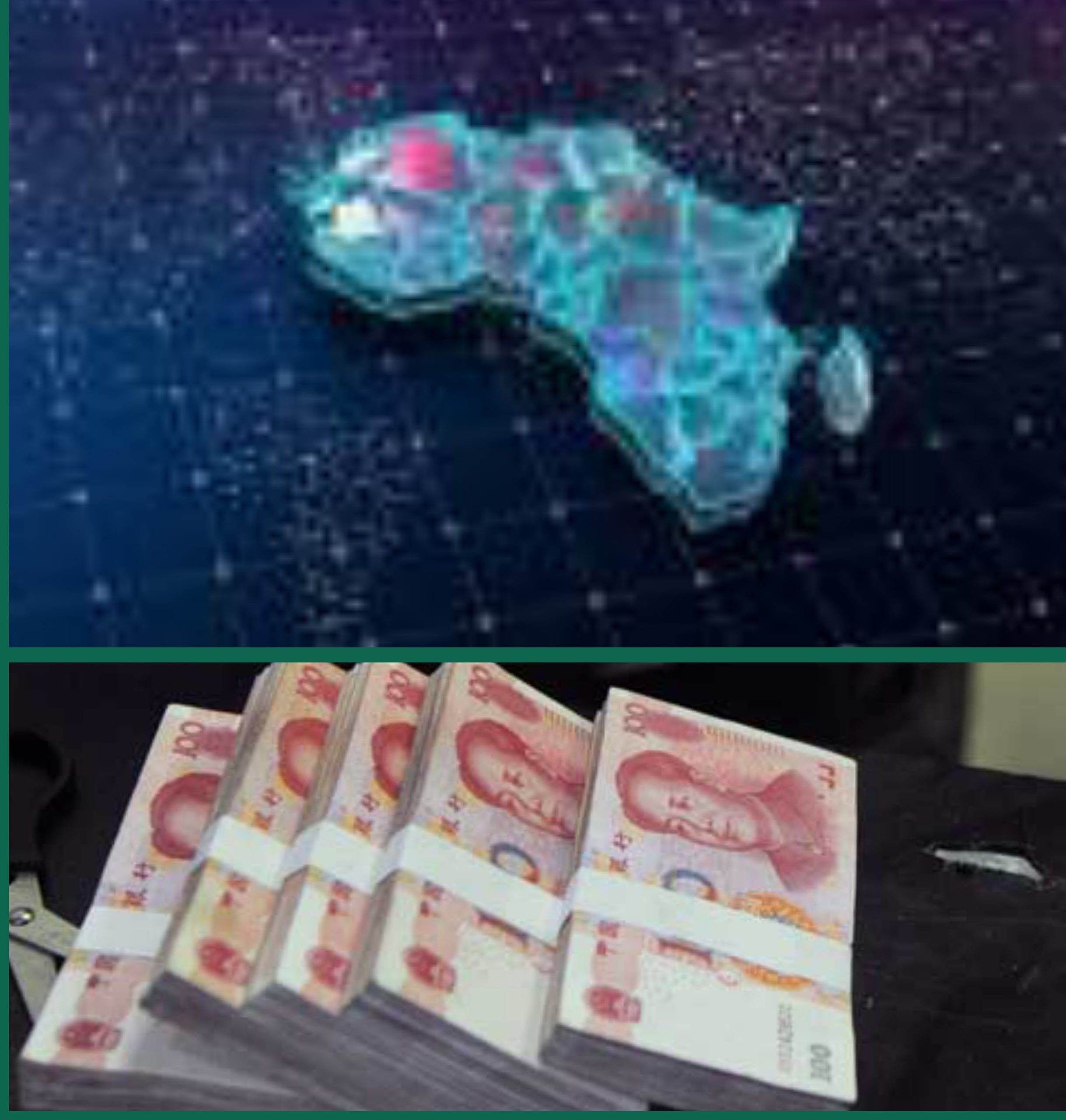
China’s abolition of tariffs on imports from 53 African nations looks set to boost yuan use, aiding Beijing’s bid to build alternatives to Western finance.
China-Africa trade rose by nearly 18% last year, customs data show, with tariff cuts on imports from 53 countries in May expected to increase flows and yuan-denominated settlements.
International Monetary Fund research has found that yuan usage rises with trade exposure to China, which announced new measures on Wednesday to promote the global use of its currency.
READ ALSO: China Commits to Building Resilient Health Systems Across Africa
From Nigerian cattle bone pellets to Kenyan avocado oil and South African apples, Chinese ports are receiving more African cargo after the tariff elimination, boosting demand for settlement from yuan into local African currencies.
While there is little reliable data on Africa’s yuan use, growth in trade with China is being reinforced by new payment platforms and some countries shifting debt into lower-cost currencies.
Yuan transactions are growing, said Standard Chartered Kenya CEO Birju Sanghrajka, adding he saw little sign of the currency unseating the dollar yet. “We see it as complementary.”
South Africa’s Standard Bank became the first African commercial bank to connect to China’s Cross-Border Interbank Payment System (CIPS) in November and processed $500 million in the first four months.
“The transactions we have seen have been primarily driven by import and export activities between China and Africa,” said Ives Yang, head of sales at Standard Bank CIB’s transactional banking. “We are working on bringing CIPS to more countries.”
Beijing aims to support African exports by removing tariffs.
“Against a backdrop where unilateralism and protectionism are posing difficulties and challenges for African nations, China is leveraging the advantages of its vast market,” said commerce ministry spokesman He Yadong.
Reuters/Shakirat Sadiq