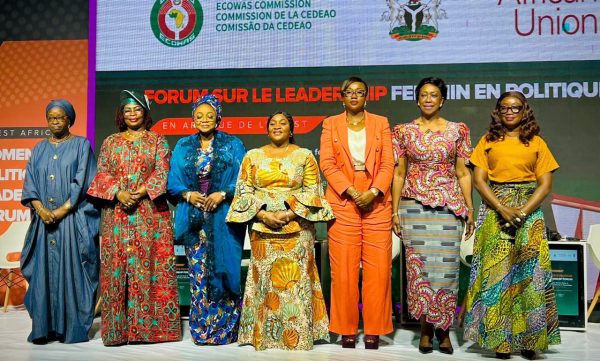
West African ministers attending the West Africa Women’s Political Leadership Forum in Abuja have unanimously committed to translating political promises into measurable action through stronger laws, innovative financing, institutional reforms, leadership development and regional accountability to accelerate women’s participation in politics ahead of ECOWAS’ 2035 gender parity target.
Speaking at the Abuja Declaration and Regional Action Agenda ministerial press briefing, Nigeria’s Minister of Women Affairs and Social Development, Hajiya Imaan Sulaiman-Ibrahim, said the conversation had moved beyond symbolism.
“The issue of equality and parity is no longer about emotion or balance; it is about national development and an economic imperative,” she said.
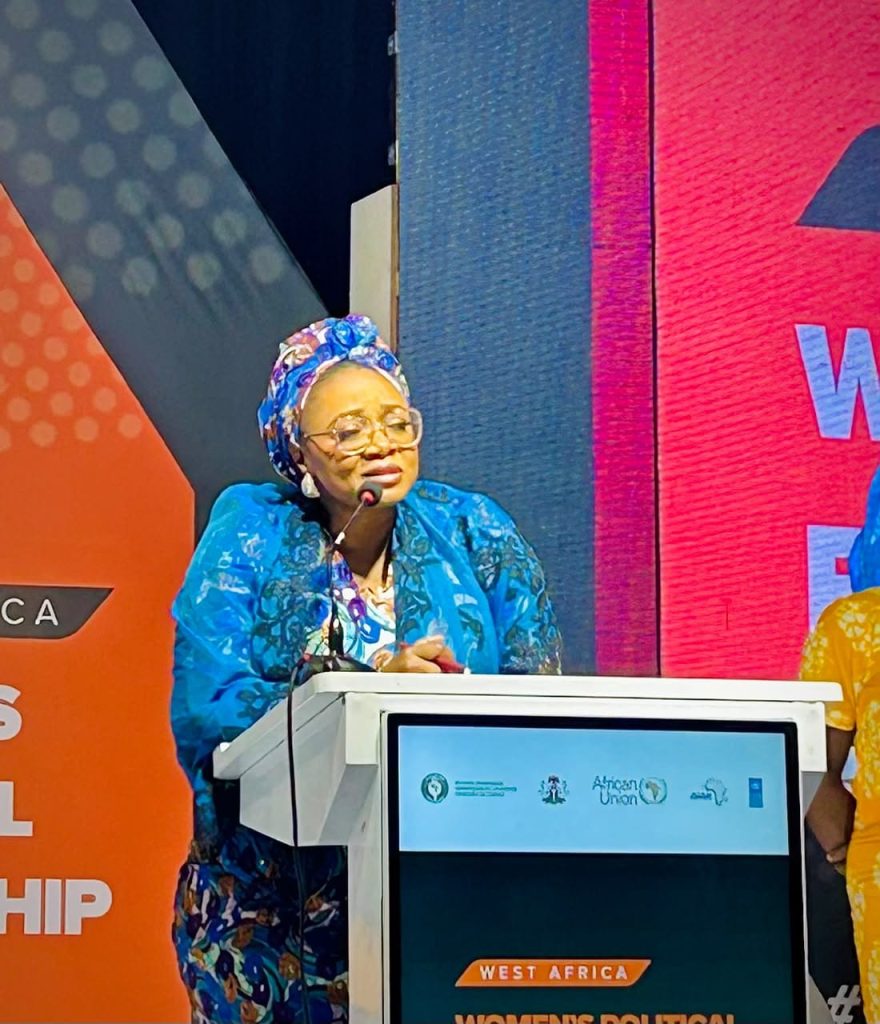
She described the forum as being “about turning commitments into action“, highlighting priorities such as implementing the ECOWAS 2035 gender parity agenda, unlocking sustainable financing for women, ensuring zero tolerance for violence against women in politics, strengthening cross-generational leadership, and establishing stronger accountability through improved data and reporting.
The Minister said Nigeria was reviewing reforms to increase women’s representation, expanding leadership academies nationwide and implementing its Third National Action Plan on Women, Peace and Security.
ECOWAS Vice-President Damtien L. Tchintchibidja stressed that the recently adopted Presidential Declaration must not become “another declaration, another piece of paper signed”.
She said ECOWAS would develop a regional roadmap, mobilise partnerships, support legal reforms, encourage peer learning among member states and establish mechanisms to measure progress, noting that “we need to do it in a coordinated fashion.”
Sierra Leone’s Minister of Gender and Children’s Affairs, Dr Isata Mahoi, attributed her country’s progress to legislation, including the Gender Equality and Women’s Empowerment Act and electoral reforms guaranteeing women’s participation.
“For me, I believe the laws, their implementation and enforcement are critical,” she said, while advocating gender-responsive political party constitutions, mentorship, girls’ education, STEM scholarships and stronger regional cooperation.
Liberia’s Minister of Gender, Children and Social Protection, Gbeme Horace-Kollie, identified campaign financing as one of the greatest barriers facing women.
“We are ambitious, we have the capacity to lead, but sustainable financing remains a critical gap for us,” she said.
She proposed mandatory equitable distribution of party campaign funds, reduced nomination fees for women candidates, dedicated financial support mechanisms and ongoing discussions with Liberia’s Central Bank on financing options for aspiring women politicians.
African Women Leaders Network (AWLN) Co-Convener Bineta Diop said lasting progress required an enabling ecosystem backed by accountability.
“We cannot achieve it without having that system in place,” she said, adding that “what is missing is accountability.”
Diop urged governments to implement commitments already adopted at the African Union and ECOWAS levels, while describing mentorship as “a responsibility” for established women leaders to prepare the next generation.
Speaking on the sidelines on behalf of the United Nations Development Programme (UNDP), Regional Programme Director for Africa, Jide Okeke, said greater women’s representation would strengthen development, peace and security across the continent.
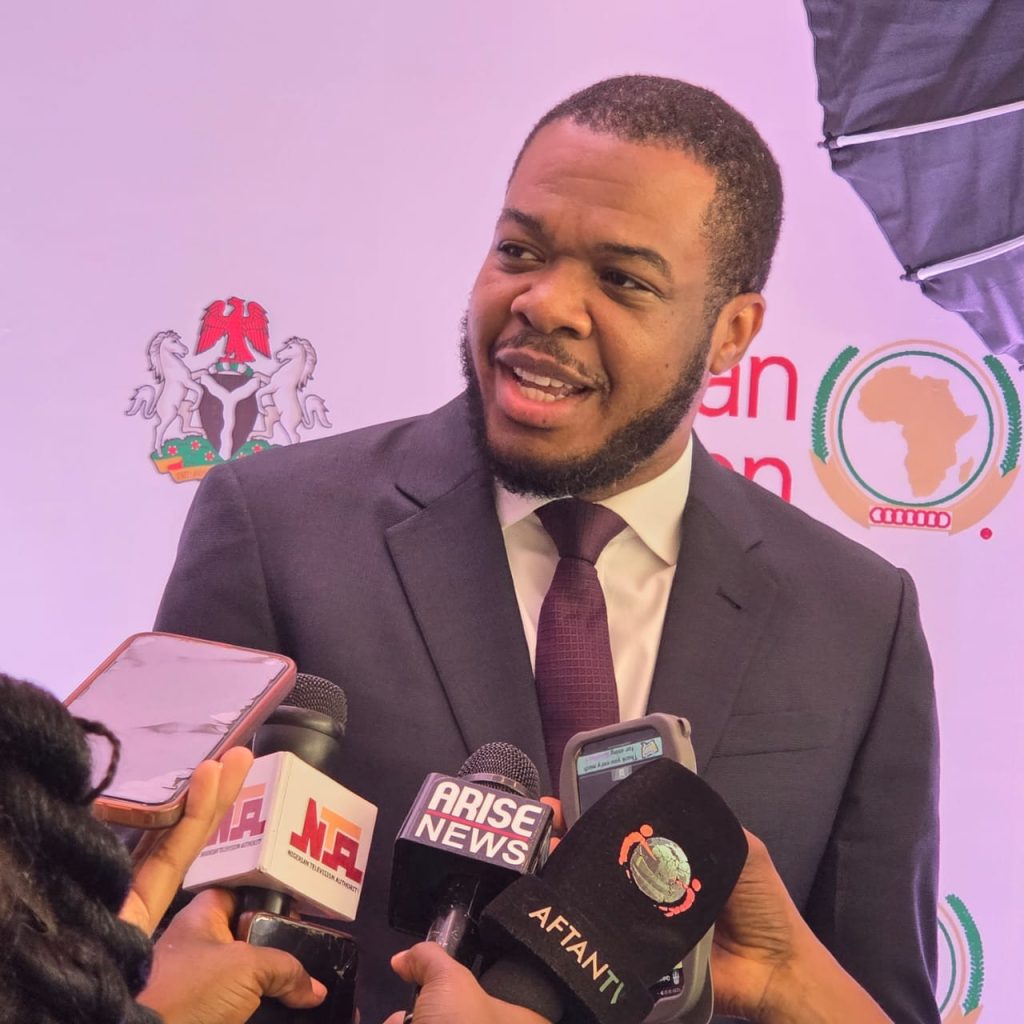
“Women are good leaders and more women are good for peace and security on the African continent,” he said.
Noting that women currently occupy only 18.4 per cent of parliamentary seats in West Africa, Okeke announced the establishment of a Women’s Political Participation Academy, bringing together 40 emerging women leaders from 28 African countries, alongside continued investment in the Africa Young Women Leadership Programme, which has supported nearly 140 young women fellows over the past five years.
He also backed innovative financing, expressing hope that delegates would endorse the establishment of a dedicated fund to support women in politics, while advocating stronger partnerships among governments, the private sector and male allies to create an enabling environment for women to mobilise resources and compete on equal footing.
The leaders reaffirmed that advancing women’s political leadership requires more than declarations, calling for enforceable laws, sustained financing, mentorship, inclusive institutions and collective action to enable women across West Africa to lead, influence policy and shape the region’s democratic future.
The two-day forum, attended by ministers, parliamentarians, political parties, civil society organisations and academics, was hosted by ECOWAS, the Federal Government of Nigeria, the African Union, the African Women Leaders Network (AWLN) and the United Nations Development Programme (UNDP).