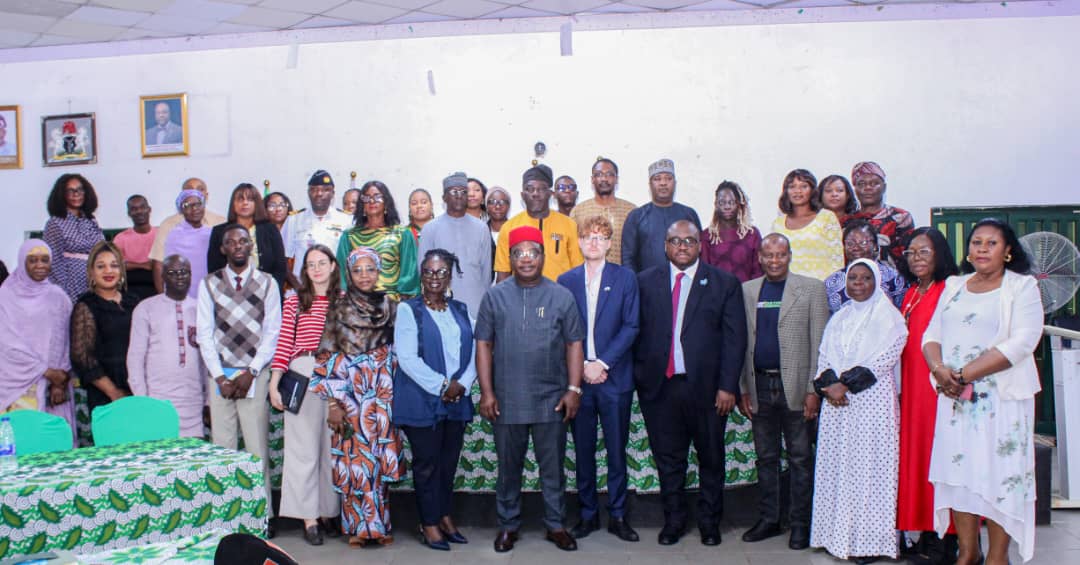
The Executive Secretary of the National Human Rights Commission (NHRC), Dr Tony Ojukwu, has expressed concern over persistent human rights violations across Nigeria, disclosing that the commission received 326,113 complaints in June 2026.
He called for stronger protection of citizens, greater accountability and coordinated action to address insecurity, violence against children and other forms of abuse.
Presenting the NHRC’s June 2026 Human Rights Situation Dashboard Dr Ojukwu said the volume of complaints received by the Commission’s offices across the 36 states and the Federal Capital Territory underscored the continuing challenge of securing fundamental rights for all Nigerians.
ALSO READ: We Are Determined to Protect Human Rights – VP Shettima
According to the Commission, data gathered through its Human Rights Observatory showed that the right to life remained the most frequently violated right during the month, with armed violence continuing to pose a major threat to communities nationwide.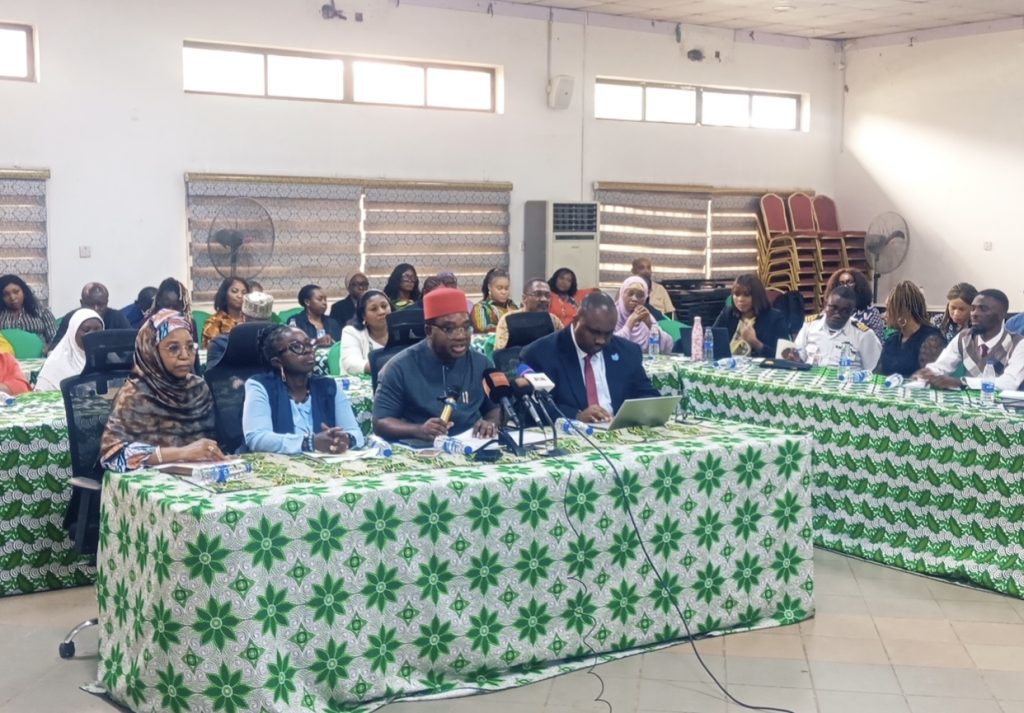
The Observatory also recorded multiple cases of sexual violence against minors, a trend Ojukwu described as deeply troubling.
“The Dashboard remains a vital accountability tool for identifying trends, emerging risks, and areas requiring urgent intervention,” he said, noting that the pattern of sustained and unresolved violence across the country demands urgent and coordinated action from relevant authorities.
The NHRC Executive Secretary said insecurity featured prominently in discussions held by the Special Rapporteur with government officials, religious leaders, civil society organisations and victims.
He added that the Commission looked forward to the presentation of her final report to the UN Human Rights Council in March 2027.
On security sector reforms, Ojukwu welcomed the recent constitutional amendment aimed at decentralising Nigeria’s policing structure through the establishment of state police.
He said the reform could strengthen the protection of citizens’ rights to life and security but cautioned against potential abuses arising from political interference, inadequate training and weak accountability mechanisms.
“As Nigeria’s National Human Rights Institution, we commit to playing our role in terms of human rights education, monitoring, reporting and accountability,” he stated.
The Commission also renewed calls for justice for victims of the Yelewata massacre in Benue State, where more than 100 people were killed in a single night a year ago.
Ojukwu noted that many survivors remain displaced and continue to face shortages of food, clean water and healthcare.
He urged government institutions and security agencies to strengthen civilian protection measures, ensure accountability for violations, invest in child protection and school safety, and provide psychosocial support for victims and affected families.
“Human rights are not a luxury or a privilege. They are a basic entitlement for every person. It is our collective duty to ensure that every individual in Nigeria can live with dignity, freedom, and equality,” Ojukwu said.
In a goodwill message, the Police Service Commission (PSC) commended the NHRC for introducing the Human Rights Situation Dashboard, describing it as an important innovation that would enhance transparency, accountability and evidence-based decision-making in the promotion and protection of human rights.
Speaking on behalf of the PSC Chairman, DIG Hashimu Argungu, Assistant Director of Legal Services, Victoria Orakwue, said the dashboard would provide reliable data for policy formulation, institutional reforms and stronger collaboration among government agencies, civil society organisations and development partners.
“The Dashboard will serve as a strategic tool for informed policy formulation, institutional reforms, and strengthened collaboration among government institutions, civil society organisations, development partners, and other stakeholders,” she said.
Orakwue reaffirmed the Police Service Commission’s commitment to working closely with the NHRC to promote professionalism, integrity, accountability and respect for citizens’ rights within Nigeria’s policing system, expressing confidence that the initiative would make a lasting contribution to the advancement of human rights and democratic governance in the country.