Enugu State has been designated as the South-East Zonal Headquarters of the Office of the Tax Ombud, a move expected to enhance taxpayer support services and strengthen tax administration across the region.
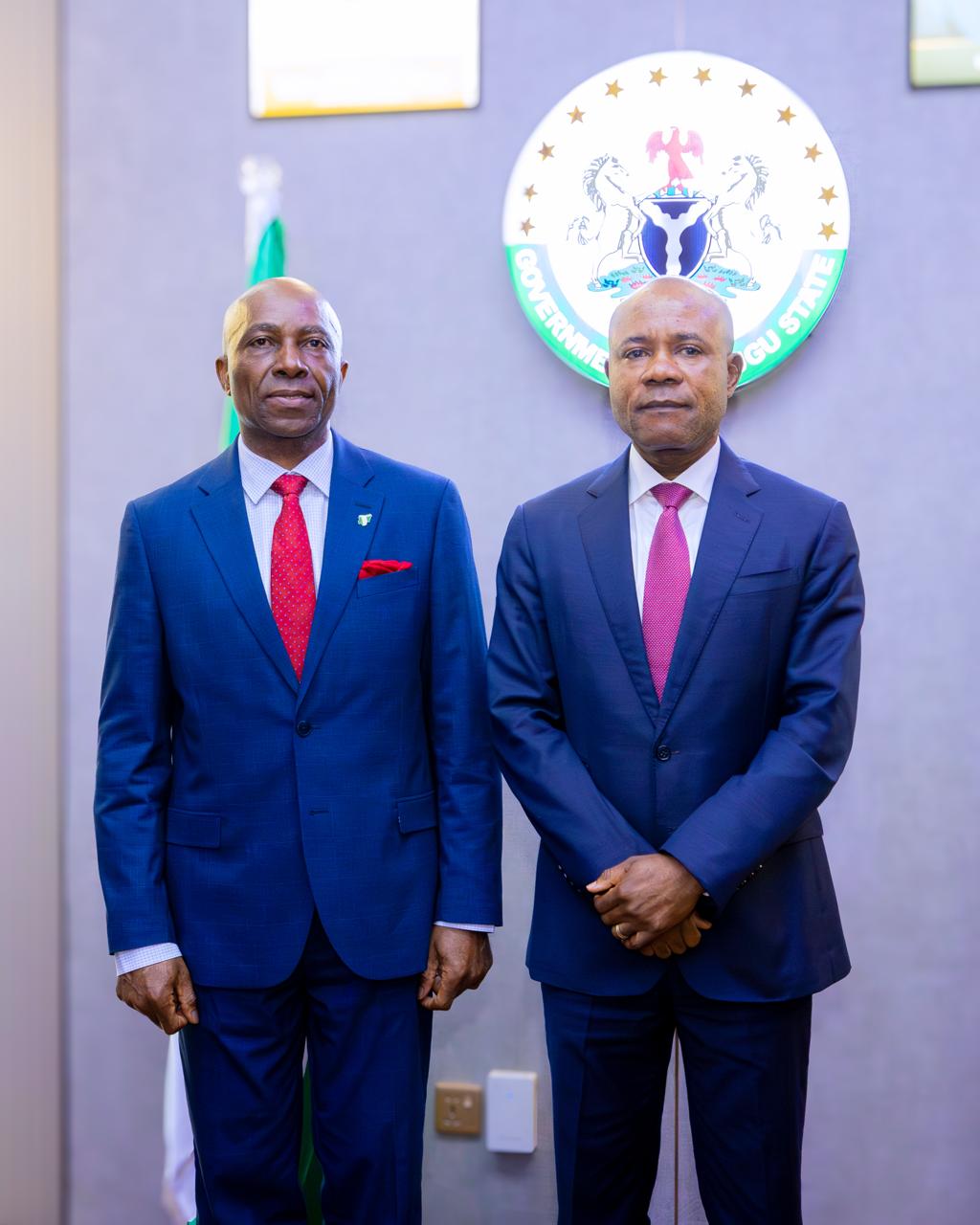
The Chief Executive Officer of the Office of the Tax Ombud, Dr. John Nwabueze, announced the development during a visit to Governor Peter Mbah at the Government House in Enugu.
Dr. Nwabueze said the decision was informed by Enugu’s strategic position as one of Nigeria’s leading industrial and commercial centres.
AREAD ALSO: Tax Ombud Launches Website, Toll-Free Support Centre
He noted that the state’s growing economic activities makes it a critical location for the Office’s operations.
He explained that the establishment of the zonal headquarters would bring taxpayer support services closer to individuals and businesses in the South-East, improve access to dispute resolution mechanisms and contribute to increasing the nation’s tax-to-GDP ratio.
According to him, tax-related disputes, including multiple taxation concerns, are common in dynamic business environments, making the role of the Tax Ombud essential in promoting fairness and confidence within the tax system.
“The payment of taxes remains an inalienable civic responsibility, but taxpayers also deserve to be treated fairly, respectfully and in accordance with the law,” he stated.
Amicable Resolution
Dr. Nwabueze noted that the Office of the Tax Ombud was established to provide timely, transparent, impartial and amicable resolution of disputes between taxpayers and revenue authorities.
He stated that efficient dispute resolution mechanisms would encourage voluntary tax compliance, reduce tensions between taxpayers and tax administrators and foster greater public trust in the country’s tax system.
The Executive officer described the creation of the Office as one of the landmark achievements of President Bola Tinubu’s ongoing tax reform agenda aimed at building a fair, efficient and citizen-focused tax administration framework.
Official Platforms
part of efforts to improve accessibility, Dr. Nwabueze disclosed that the Office recently launched its official website, a toll-free call centre and a digital case management portal.
The platforms allow taxpayers to access information, lodge complaints free of charge and monitor the progress of their cases in real time.
He called for stronger collaboration with the Enugu State Government to deepen taxpayer protection, encourage voluntary compliance and strengthen public confidence in tax administration.
Dr. Nwabueze further explained that the Office of the Tax Ombud is an independent and impartial institution established under the Joint Tax Board (Establishment) Act, 2025, with responsibility for receiving, reviewing and resolving complaints relating to taxes, levies, regulatory fees, charges, customs duties and excise matters.
Responding, Governor Peter Mbah welcomed the development and expressed the readiness of the Enugu State Government to provide the necessary facilities for the successful operation of the regional headquarters.
Suitable Location
The Governor described Enugu as a suitable location for the Office, citing his administration’s economic development agenda aimed at expanding the state’s economy from $4.4 billion to $30 billion within eight years through private sector-led investments.
Governor Mbah noted that the establishment of the Tax Ombud Office comes at a critical time as the state intensifies efforts to block revenue leakages and expand the tax net.
He expressed confidence that the institution would improve tax compliance, enhance revenue generation and support sustainable economic development.
The Governor also commended President Tinubu’s reform initiatives, particularly efforts to strengthen the nation’s tax system and boost revenue required for the provision of quality education, healthcare, infrastructure and other essential public services.
The designation of Enugu as the South-East headquarters of the Office of the Tax Ombud is expected to improve taxpayer engagement, facilitate dispute resolution and support broader efforts to build a more transparent and efficient tax administration system in Nigeria.