

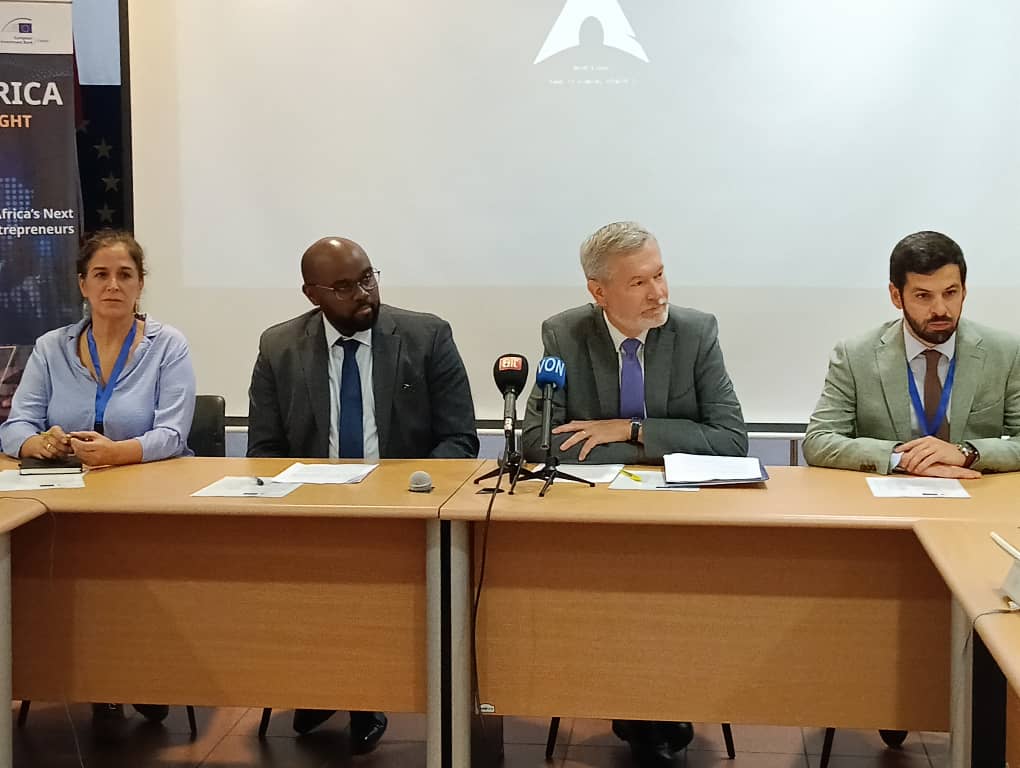
The European Union (EU) says Africa’s entrepreneurial potential can only be fully realised when access to finance is combined with technical expertise, strong networks and a supportive business environment.
EU Ambassador to Nigeria, Gautier Mignot, stated this in Abuja at the Boost Africa Impact Forum and Media Briefing.
Mignot said, “The impact of development partnerships should be measured by the lives and businesses transformed rather than funding figures alone.”
He said the EU’s Global Gateway strategy was built around long-term partnerships with African countries, with the EU working alongside member states and development banks to mobilise private investment and promote sustainable growth.
According to him, “the strategy is particularly important for young Africans, who constitute a major source of entrepreneurial talent and innovation on the continent.”
“Today’s event is precisely about more than investment figures: it’s about people, it’s about entrepreneurs, it’s about innovation, it’s about jobs and opportunities created when Africa’s talent is matched with the right partners and the right financing,” he said.
The Ambassador said Africa’s young entrepreneurs were among the continent’s greatest assets, stressing that their ideas could contribute to economic growth and job creation when provided with the necessary support.
He said Boost Africa demonstrated how cooperation between the EU, European Investment Bank (EIB), African Development Bank, venture capital firms and African entrepreneurs could translate into economic impact.
Mignot said, “the initiative had attracted more than €100 million in funding, generating additional investment and contributing to job creation across sub-Saharan Africa.”
He added that Nigeria was particularly important to the initiative because of its entrepreneurial and innovation ecosystem.
Also speaking, the EIB Country Relationship Manager for Nigeria, Moussa Koulima, said, “Boost Africa was designed to address inadequate early-stage capital for African startups.”
He said many entrepreneurs struggled to secure funding when their businesses were still at an early and relatively risky stage.
Koulima said, “The initiative combined capital with technical assistance and ecosystem development to support startups and micro, small and medium enterprises.”
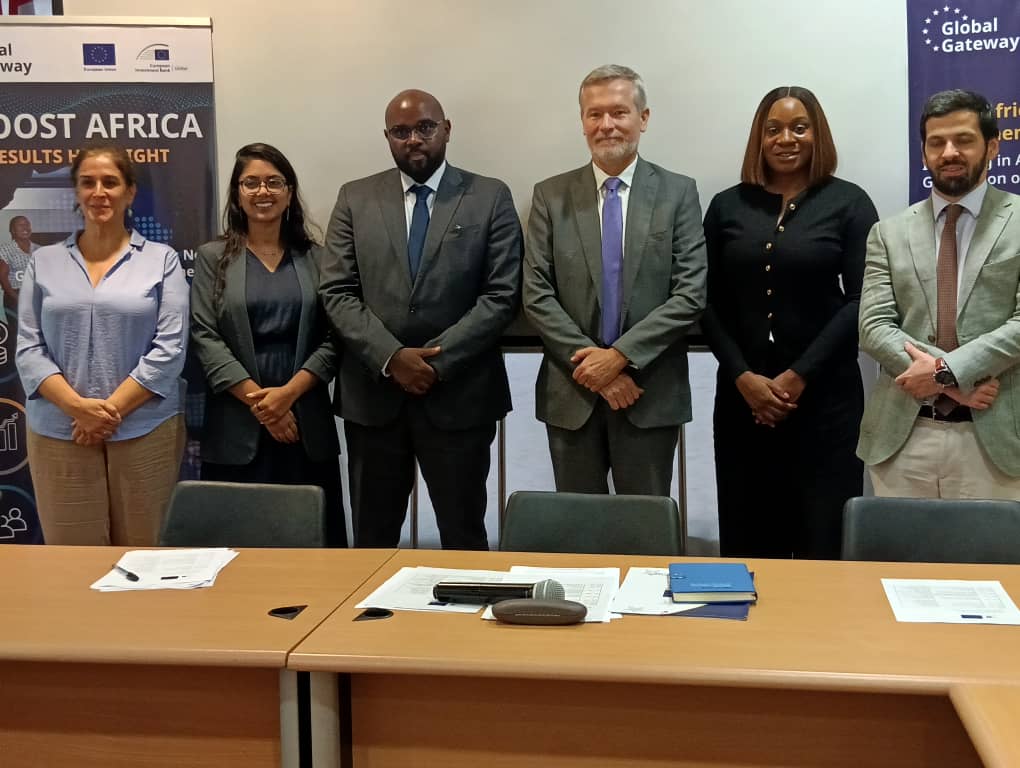
He said €108 million had been invested through the programme, attracting an additional €400 million from other investors.
According to him, the leverage demonstrated how development finance could help reduce investment risks and encourage private investors to support emerging African businesses.
The Cathay AfricInvest Innovation Fund (CAIF) Investment Director, Lavanya Anand, said the fund had created 7,600 direct jobs and 272,000 indirect jobs through investments in 15 technology companies across Africa.
She said, “The investments had also expanded access to financial services, supported skills development and contributed to improved healthcare outcomes.”
Anand said the fund’s experience demonstrated the importance of combining venture capital with technical expertise, particularly for young companies seeking sustainable growth.
The Chief Strategy Officer of Beacon Power Services (BPS), Christine Adejorooluwa, also said combining funding with technical assistance had helped the energy technology company expand its operations across African markets.
Adejorooluwa said BPS had grown from working with one utility to serving 12 utilities across seven African countries.
She said, “The company’s experience showed that entrepreneurs needed support beyond capital to develop sustainable businesses.”
The EU and its development finance partners are expected to continue efforts to expand opportunities for African entrepreneurs and innovators.

 says Africa’s entrepreneurial potential can only be fully realised when access to finance is combined with technical..)