The Gombe State Government says it is repositioning the livestock sector to drive economic growth, improve food security, create jobs and reduce the cost of meat, milk and eggs across the state.
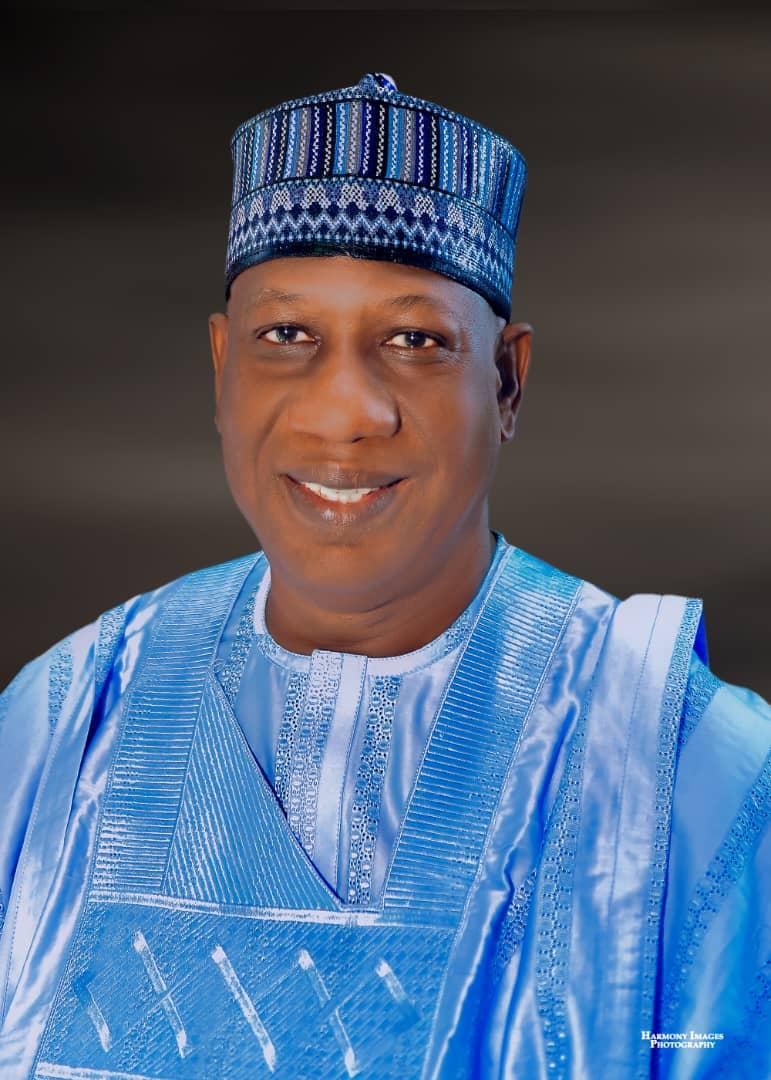
The Commissioner for Livestock Development, Mr. Salihu Alkali, told Voice of Nigeria in Gombe that the initiative reflected Governor Inuwa Yahaya’s vision to transform livestock production into a sustainable source of revenue for the state.
Mr. Alkali said the governor’s livestock development agenda was designed to complement President Bola Tinubu’s Renewed Hope Agenda, noting that livestock already contributes significantly to Nigeria’s agricultural economy.
He said the state government was seeking to move away from the traditional practice of selling live cattle by developing an integrated value chain in which animals would be bred, slaughtered, processed, packaged and transported from Gombe to markets within and outside the state.
According to him, the government has secured an 84-hectare agro-livestock zone where key facilities are being developed, including an international cattle market and a modern abattoir.
READ ALSO: Gombe Livestock Ministry Seeks Breeder Support for Modernisation Drive
He said the plan also included facilities for milk production and poultry, creating an integrated livestock value chain.
The commissioner said the government was also promoting artificial insemination and cross-breeding to improve the quality and productivity of local cattle.
He added that the initiative was expected to attract private-sector investment once the necessary infrastructure was firmly established.
Mr. Alkali said producing and processing livestock locally would reduce transportation costs and other expenses associated with bringing cattle and animal products into the state, thereby helping to lower the prices of meat, milk and eggs.
He said Gombe State also planned to develop local feed production, particularly through the cultivation of fast-growing Napier grass, which he described as nutritious and suitable for cattle and other livestock.
The commissioner said the ultimate objective was to transform Gombe from a state that mainly exports live cattle into one that processes livestock products locally and supplies meat and milk to other parts of Nigeria, including southern markets.
He said the initiative would create employment opportunities, improve access to nutritious food and enable the state to generate more revenue from livestock, while reducing its dependence on oil-related revenue.