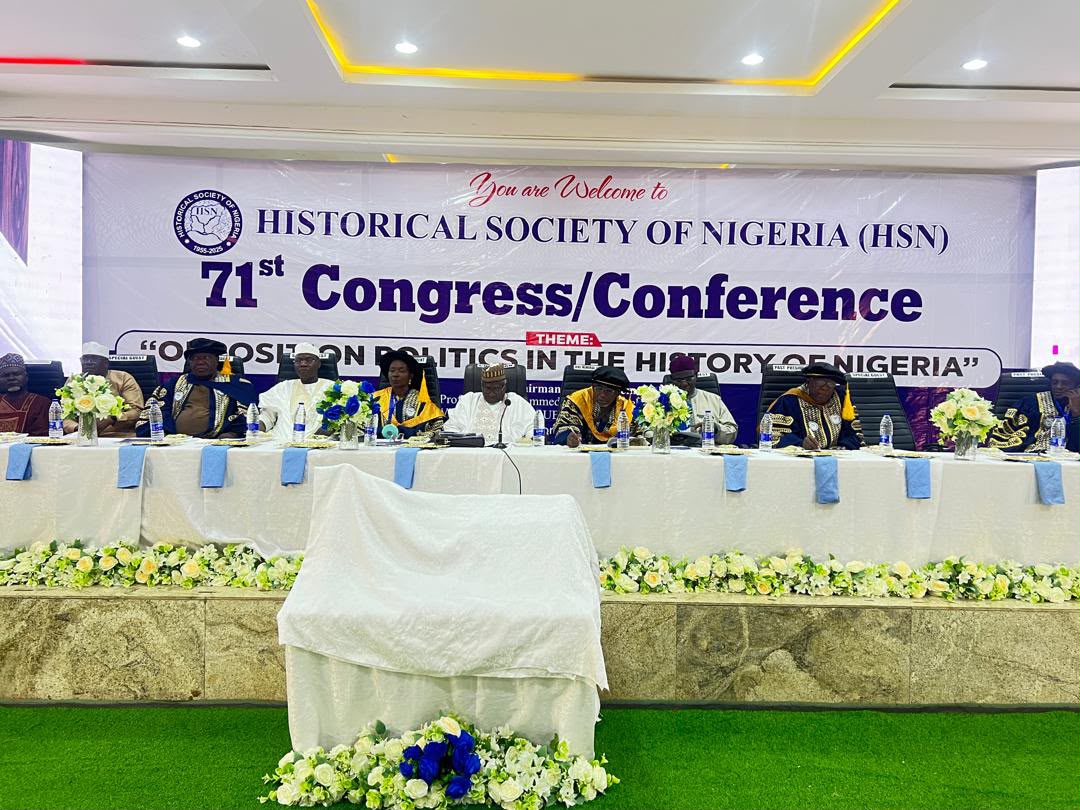
Nigeria’s democratic future depends on the strength of its opposition, the integrity of its political institutions and the willingness of leaders to respect constitutional limits, speakers at the 71st Annual Conference and Congress of the Historical Society of Nigeria (HSN) have declared in Abuja.
The conference, held at the Army Headquarters Command Mess, Asokoro, examined the theme, “Opposition Politics in the History of Nigeria,” bringing together historians, military leaders, academics and public officials to assess the role of political opposition in the country’s democratic development.
Speaking at the event, Professor Kyari Muhammad described opposition as indispensable to democracy, linking its effectiveness to press freedom, citizens’ ability to choose their leaders and a political system governed by fair rules. He noted that opposition politics had shaped Nigeria’s political history, from anti-colonial resistance and nationalist movements to the country’s successive republics.
READ ALSO: Legislative Institute Seeks Ethical Leadership for Democracy
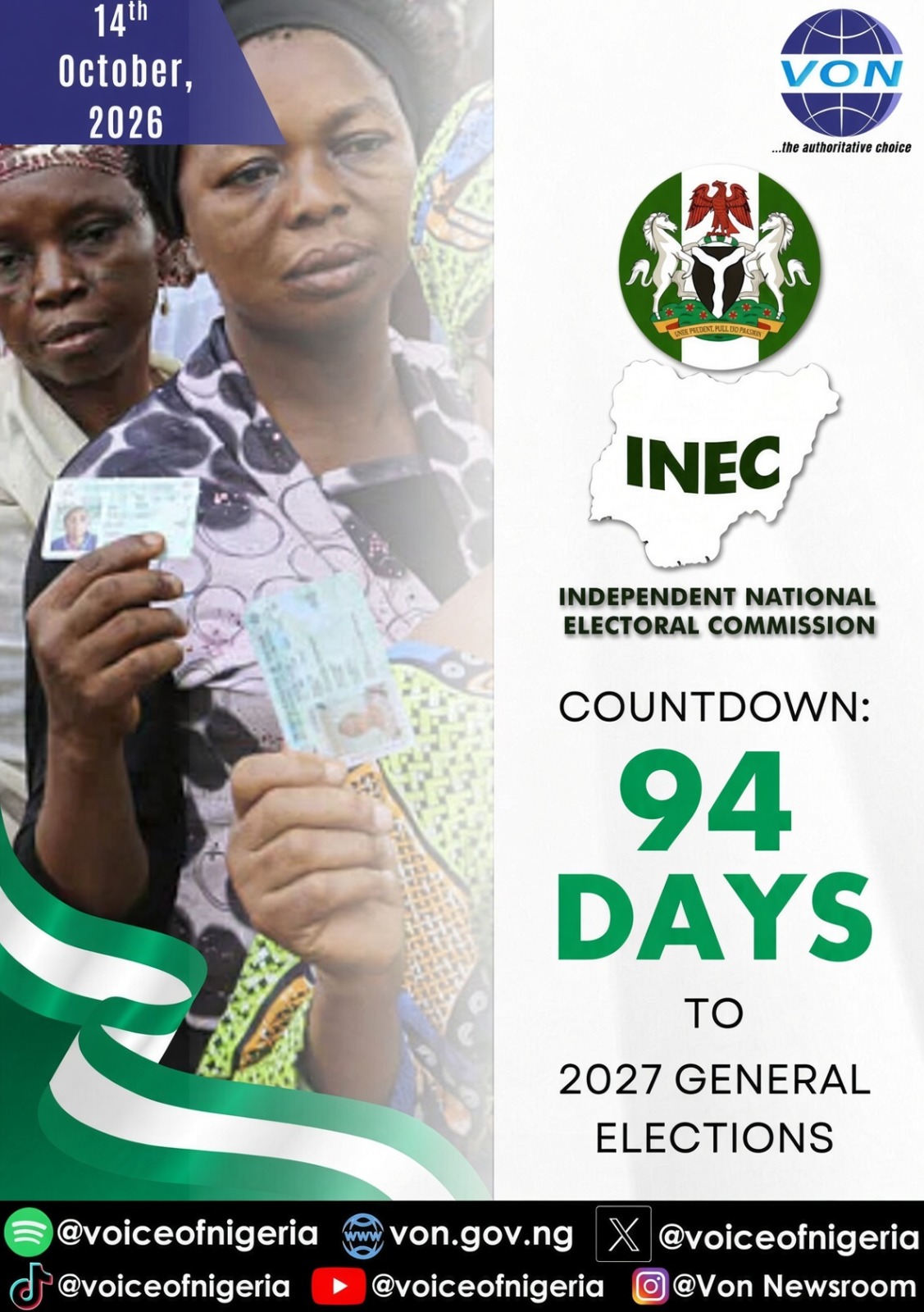
Muhammad cautioned that both ruling parties and opposition groups could undermine democratic institutions, stressing that political competition must be allowed to thrive, particularly as Nigeria approaches the 2027 general elections.
Acting President of the HSN, Professor Sarah Kwagbe, said the conference provided a platform for examining the political economy of opposition, women’s participation and the legislature’s role in democratic politics. She urged participants to engage critically with the subject and contribute research that deepened understanding of Nigeria’s political experience.
Former Chief of Army Staff and former Ambassador to the Republic, retired Lieutenant General Tukur Yusufu Buratai, said the conference highlighted the connection between historical scholarship, national security and constitutional governance.
Buratai maintained that political disagreement should not be treated as disloyalty, arguing that lawful and civil competition strengthened national unity. He also underscored the importance of tolerance, military professionalism and respect for constitutional authority in sustaining democratic stability.
The gathering reinforced the importance of examining Nigeria’s political past as the country prepares for another electoral cycle, with speakers emphasising that democratic stability requires more than elections. It also depends on credible opposition, accountable leadership, constitutional restraint and a historical understanding of how political choices shape national development.