The Chartered Institute of Logistics and Transport (CILT) has called for an assessment of Africa’s transport and logistics infrastructure to identify bottlenecks, address gaps and explore digital solutions to improve operational efficiency in Nigeria.
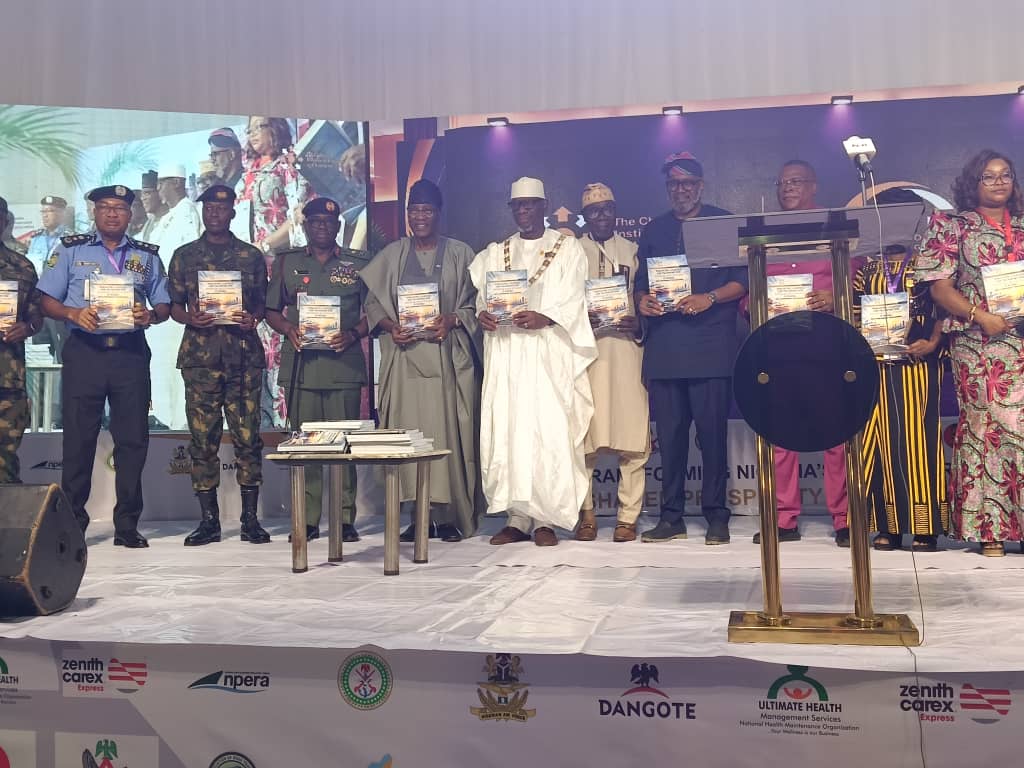
The President and Chairman of CILT Nigeria, Mr Boboye Oyeyemi, made the call at the 2026 CILT Nigeria National Conference in Abuja, themed “Transforming Nigeria’s Transport and Logistics System for Shared Prosperity and Sustainable Infrastructure”.
Oyeyemi stressed that a robust and efficient transport and logistics network was vital to economic development, improved connectivity and reduced inequalities.
He noted that Africa’s economic growth, urbanisation and rising international trade had placed immense pressure on the continent’s transport and logistics systems.
READ ALSO: Nigeria’s Blue Economy Comes Under Focus in CILT Conference
The conference brought together experts, policymakers, industry leaders and other stakeholders to explore innovative strategies, technologies and policies for building a sustainable, integrated and inclusive transport and logistics ecosystem in Africa.
Participants also discussed policy frameworks, regulatory mechanisms and public-private partnerships to create a conducive environment for transport and logistics development, as well as ways to address sustainability and environmental challenges in the sector.
The event also featured tours and an exhibition of transport and logistics products and services from related industries, alongside paper presentations and discussions involving academics and practitioners from across the continent.
CILT is an international professional body representing sectors of the logistics and transport industry. Founded in the United Kingdom in 1919, the institute received its Royal Charter in 1926 and has a presence in more than 100 countries, with its headquarters in the UK.
The Nigerian branch of CILT was established in 1958 and has attained territorial status, with a presence in 13 states of the federation.
The institute’s core functions include human-capital development through long-term and short professional courses, as well as continuing professional development (CPD) programmes.