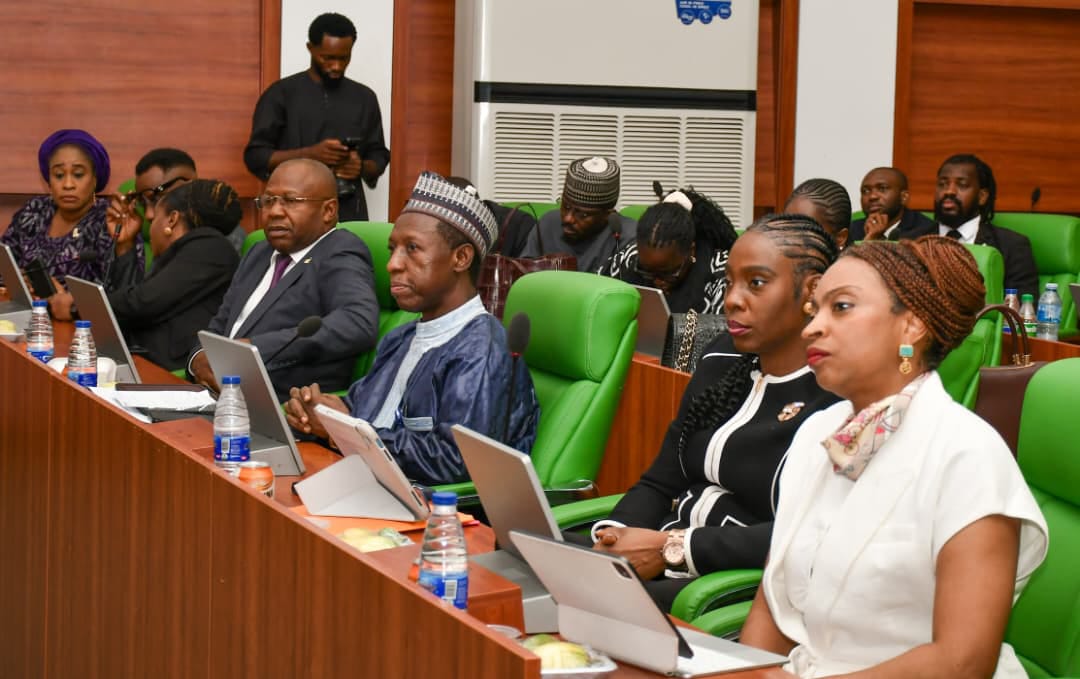
The House of Representatives has reaffirmed its commitment to supporting the economic reform programme of President Bola Tinubu’s administration.
Speaker of the House of Representatives, Mr Tajudeen Abbas, gave the assurance while declaring open a public hearing on 13 bills organised by the House Committee on Commerce in Abuja.
Mr Abbas described the event as significant, noting that commerce remains one of the strongest pillars of the Nigerian economy, driving investment, stimulating production, expanding markets, creating jobs, encouraging innovation and strengthening consumer confidence.
“As Nigeria pursues economic diversification and greater competitiveness, we must ensure that our commercial laws are responsive to emerging realities, technological advancement and international best practices.
“This hearing exemplifies the enduring commitment of the House of Representatives to inclusive, transparent and participatory lawmaking. We firmly believe that legislation is strongest when it does not depend on the wisdom of legislators alone, but incorporates the practical experience, expertise an ArRrdae or a XXL do d perspectives of the people it is designed to serve.
Public hearings therefore remain one of the most valuable instruments through which we deepen democracy and ensure that our laws truly reflect the needs and aspirations of Nigerians,” Mr Abbas said.
He also pointed out that the purpose of the hearing, therefore, is to subject the thirteen Bills to rigorous public scrutiny, receive constructive input from stakeholders, identify areas that require refinement, and ensure that the legislation to be enacted promotes enterprise, protects legitimate business interests, encourages fair competition and advances sustainable economic growth.
READ ALSO: House of Reps Launches Probe into Investment Promotion Council
“In carrying out this important responsibility, the Committee is expected to carefully examine the policy objectives of each Bill, assess their likely impact on businesses, investors and consumers, receive memoranda and oral presentations from stakeholders, and recommend only those provisions that will strengthen Nigeria’s commercial environment and improve our competitiveness as an investment destination. These responsibilities demand diligence, fairness, objectivity and an unwavering commitment to the national interest.
“This exercise aligns closely with the Legislative Agenda of the 10th House of Representatives, which places a premium on economic growth, institutional reform, good governance and private sector development. Since our inauguration, we have remained committed to enacting laws that improve the ease of doing business, support entrepreneurship, remove unnecessary regulatory barriers, attract investment and create opportunities for our people.
“It also reinforces our unwavering commitment to supporting the economic reform programme of the administration of President Bola Ahmed Tinubu, GCFR. The Renewed Hope Agenda envisions a stronger, more productive and globally competitive Nigerian economy. As the People’s House, we shall continue to provide the legislative framework and oversight necessary to translate that vision into measurable progress for businesses, investors and ordinary Nigerians,” he said.
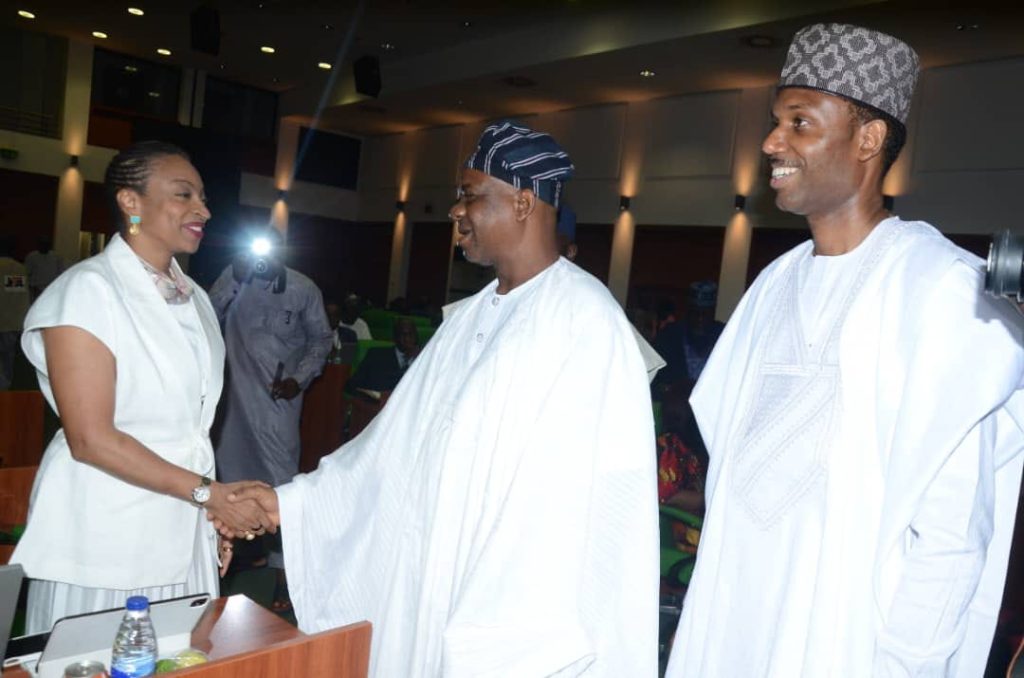
The Speaker urged every participant to approach the assignment with honesty, openness and patriotism.
” Let our contributions be guided by facts, informed by experience and inspired by our collective desire to build a stronger economy. Let us rise above sectional, institutional or personal interests and focus instead on what is best for our nation.
” It is actually through engagements like this that we strengthen our democratic institutions, build public confidence in the legislative process and lay the foundation for a more dynamic, competitive and prosperous Nigerian economy“. Mr. Abbas said.
In her remarks at the public hearing, the Minister of Industry, Trade and Investment, Dr Jumoke Oduwole, commended the Public Hearing on the African Continental Free Trade Area (AfCFTA) Domestication Bill.
She noted that the AfCFTA is critical to Nigeria’s trade, investment, industrialisation and economic transformation agenda.
“The AfCFTA is the world’s largest free trade area by number of participating countries. It provides access to a continental market of over 1.4 billion people with a combined GDP exceeding US$3 trillion. For Nigeria, it presents a unique opportunity for Nigerian businesses to expand into new markets, attract investment, create jobs and strengthen regional value chains.
“Since ratifying the Agreement in 2020, Nigeria has made significant progress in its implementation. We have established the institutional framework for coordination through the Central Coordination
Committee and the Nigeria AfCFTA Coordination Office, developed a National AfCFTA Implementation Strategy, and submitted our tariff concessions and services commitments under Trade in Goods and Services, respectively,” Dr Oduwole said.
She informed the hearing that as the current Chairperson of the AfCFTA Council of Ministers, she recognises the fact that effective continental implementation of the
AfCFTA requires more than policy and administrative action.
” It requires a clear and comprehensive domestic legal framework. At the recent meeting of the ECOWAS Council of Ministers responsible for Industry and Trade (ECOMOTI) held in June 2026, the Council underscored this point,” she said.
She stressed that it is clear that the AfCFTA Domestication Bill before the House is both timely and necessary.
“The Bill is not merely about implementing an international treaty. It is about positioning Nigeria to fully harness the opportunities of continental trade while safeguarding our national interests.
It provides the legal basis for coordinated implementation across government institutions, promotes transparency and predictability for investors and businesses, and strengthens Nigeria’s capacity to meet its obligations while effectively enforcing its rights under the Agreement.
Importantly, this legislation aligns with the Renewed Hope Agenda of President Bola Ahmed Tinubu, GCFR, by promoting economic diversification, industrial growth, export expansion, investment promotion and job creation. It is an important step towards building a more competitive and resilient Nigerian economy,” Oduwole explained.
The Chairman, House Committee on Commerce, Mr Ahmed Munir, said that the public hearing represents one of the most vital pillars of the legislative process.
“Today, we gather to deliberate on thirteen (13) key legislative proposals designed to modernise Nigeria’s commercial framework, strengthen professional standards, and position our economy for sustainable growth in a rapidly evolving global market.
“The bills before us today touch on fundamental sectors of our national economy and can be broadly categorised into three pivotal areas:
The first category is the Expansion of Global Trade & Protecting Local Assets through the:
“AfCFTA Implementation Bill (HB. 2765): Establishes the necessary legislative framework to fully capitalize on the African Continental Free Trade Area, positioning Nigerian businesses as key drivers of continental trade.
NEPC Act Amendment (Geographical Indications): Protects Nigeria’s unique local products and services globally, boosting export value and safeguarding our national heritage.
NEPC Act Amendment (NIMASA Update): Updating statutory language from the former Nigerian Maritime Authority to NIMASA to ensure legal clarity and inter-agency alignment.
The second categorisation is the Modernisation of Commerce and Digital Economy with the:
Mainstreaming the Digital Economy Bill that integrates digital growth strategies across trade, investment, and industry to foster innovation and national competitiveness.
Sale of Goods Act Amendment shall update our foundational commercial laws to address modern realities, including e-commerce and digital payment infrastructure.
Price Control Act Amendment: that revises statutory provisions to reflect current economic realities while protecting consumers through clear specifications of essential goods.”
The third category is Professional Standardisation & Institutional Capacity:
“Strengthening professional standards and governance across sectors through the establishment and regulation of key professional bodies, where we have the:
▪ Chartered Institute of Human Resources and Strategic Management
▪ Chartered Institute of Business Development of Nigeria
▪ Chartered Institute of Counselling in Nigeria
▪ Chartered Risk Management Institute Amendment
▪ Chartered Sustainability Professional Institute of Nigeria
▪ Institute of Chartered Applied Information Management Professionals
▪ and the Chartered Institute of Human Resources Management”. He said.
Mr Munir explained that the goal in the 10th House of Representatives is to ensure that laws actively foster economic expansion rather than obstruct it.
“The success of this legislative exercise depends heavily on your candid, expert feedback. I urge all stakeholders, be it governmental, industrial, and civil society, to actively participate, offer constructive critiques, and provide data-driven insights to help us refine these bills into robust legal instruments,” Mr Munir added.
Stakeholders at the hearing made meaningful contributions on the bills as they affected their organisations.