The Chairman of the House of Representatives Committee on Finance, Mr. James Faleke, and his Deputy, Mr. Saidu Abdullahi, have urged Civil servants to serve with integrity for the development of Nigeria.
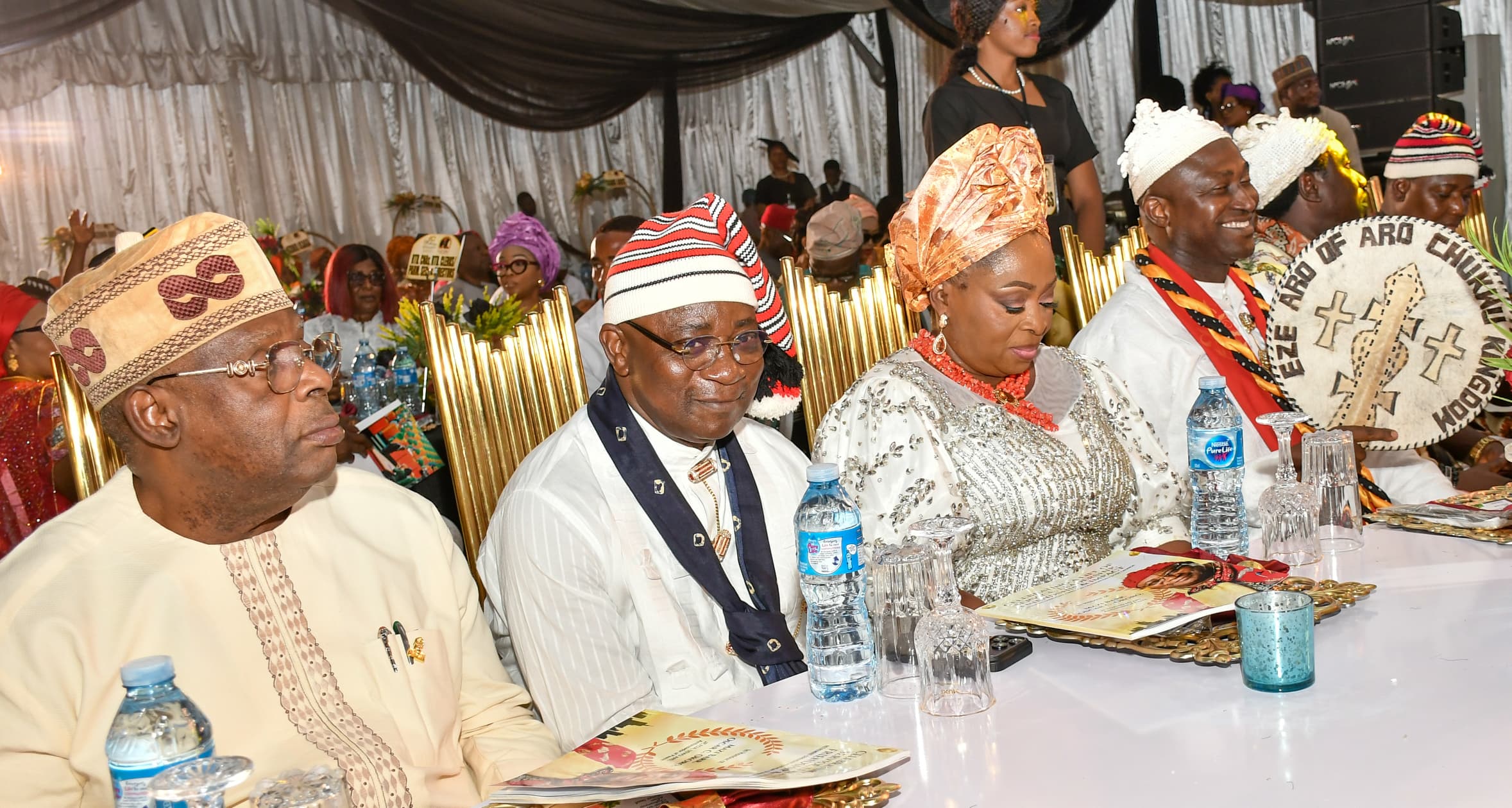
They made the call at the retirement, 60th birthday celebration, and book presentation of the Clerk to the Committee, Mr. Oscar Okoro, in Abuja.
Mr. Faleke said civil service is about dedication to the development of Nigeria.
He said; “When you are dedicated and you trust and believe in the country, you will want to see the success of the country. Barrister Okoro is a very hardworking man. He is not money-conscious like others. He just wants to see that things are done accordingly. Every time I push him hard, he works even harder. I believe he is going to succeed very well in retirement because he is still very young at 60. I wish him luck and pray that his family will continue to support him.”
Mr Faleke described civil servants as the technocrats who build the nation and support politicians in governance.
“Civil servants build the country. They are the technocrats and the people politicians rely on. If civil servants decide to do things properly, the country will be better off. Even when a politician wants things done differently, if a civil servant insists on following the rules, Nigeria will be better,” he said.
Mr. Faleke urged younger Nigerians in government service to shun vices that could negatively affect the country.
Similarly, the Deputy Chairman of the House Committee on Finance, Mr. Saidu Abdullahi urged civil servants to remain professional, committed, and strive for excellence at all times.
He said the committee would miss the services of Mr. Okoro, whom he described as a thoroughbred professional.
“Today, he is celebrating three milestones: retirement from service, his 60th birthday, and the launch of a book. For each of these milestones, he deserves accolades, praise, and commendation.
“Professionally, he is someone you can easily describe as a professional to the core. When it comes to his job, he is exemplary. The younger generation has a lot to learn from him. As Clerk of the Committee, he has always provided guidance on referrals and legislative processes. Beyond his role as clerk, whenever I need legal advice, he is one of the first people that comes to mind, and he has always been available. He is an all-rounder, very dedicated and very patient,” Mr. Abdullahi said.
On his part, the spokesman of the House of Representatives, Mr. Akin Rotimi Jr. described Mr. Okoro as a model public servant and commended him for his meritorious service to the National Assembly and the country.
“My encouragement to people in service is that this is the kind of person they should model their careers after—people whose watchwords are integrity and diligence,” he said.
Mr. Rotimi noted that although the system has inbuilt mentorship and leadership recruitment processes, Mr. Okoro’s wealth of experience and expertise would be greatly missed.

Responding, the celebrant, Mr. Oscar Okoro, attributed his success in life to God Almighty, saying life is a difficult journey that requires wisdom and perseverance.
“You have to know your onions, be hardworking, patient, humble, and respectful. If these qualities are lacking, you are bound to fail, whether in the National Assembly or anywhere else in life,” Mr. Okoro said.
He said he would return to legal practice and consultancy while dedicating the rest of his life to mentoring younger generations and serving God.
Earlier, the book reviewer, Prof. Kabir Danladi of the Department of Public Law, Ahmadu Bello University (ABU), said the book demonstrates the hard work and dedication to service exhibited by the author during his 27 years of service to the nation.
He said the book provides a practical and institutional guide to the Nigerian legislature, with a focus on the National Assembly.
According to him, the book covers the constitutional foundation of the National Assembly, its internal structure, legislative procedures, oversight functions, and relationship with other arms of government.
Prof. Danladi said the 335-page book is structured into nine chapters, each addressing a distinct aspect of legislative practice, from historical foundations and constitutional law to practical, step-by-step guidance on legislative procedures.
He stressed that there is no alternative to reading for those seeking knowledge, noting that reading is essential for human development and progress.
The professor recommended the book to lawmakers, politicians, and all Nigerians seeking to deepen their understanding of the legislature.