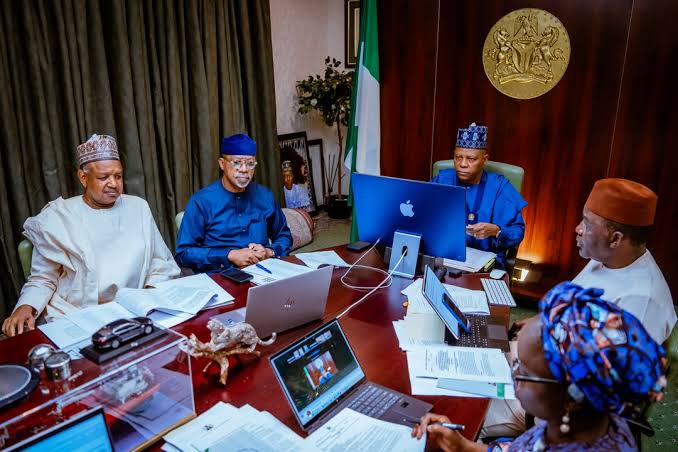
The National Economic Council (NEC) has approved the refinancing of the US$3.3 billion Project Gazelle Pre-Export Finance Facility through a new US$4.5 billion facility, known as Project Gazelle 2.
The approval allows The Nigerian National Petroleum Company Limited (NNPC) to refinance the outstanding balance of approximately US$1.5 billion under the original 2023 facility, while unlocking an additional US$3 billion in liquidity to strengthen the country’s external reserves and support the Nigerian Government’s fiscal and infrastructure priorities.
The decision was reached at the 159th meeting of the National Economic Council, held virtually on Monday.
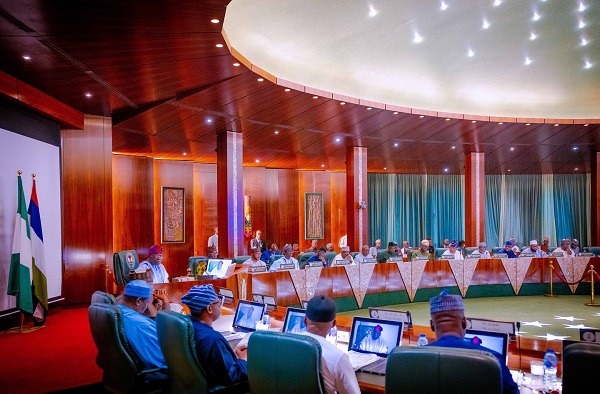
The meeting was presided over by Vice President Kashim Shettima, who chairs the Council.
NEC’s approval followed a presentation by the Minister of Finance, Dr Taiwo Oyedele, delivered on his behalf by Vice President Shettima, highlighting the strategic importance of the project.
The Council acknowledged the significance of unlocking additional liquidity for the federation and pledged its support for the successful implementation of the initiative.
Speaking at a press briefing after the meeting, Dr Oyedele said the refinancing had been structured on more favourable terms than the original facility, including a reduction in the volume of pledged crude oil from 90,000 barrels per day (bpd) to approximately 78,750 bpd, a 12.5 per cent reduction.
He explained that the new arrangement would release an additional 11,250 bpd to the federation while reducing the volume of crude pledged by NNPC Limited.
According to the minister, the refinancing will provide additional liquidity on improved terms, free up resources for strategic national priorities, and strengthen the country’s financing structure.
Earlier in his opening remarks, Vice President Shettima called for a responsive, scalable and data-driven social protection policy to tackle multidimensional poverty in Nigeria.
He said government policies are often felt before they are seen, reflected in the prices of food, the condition of hospitals, outcomes in schools, the pressures on families, the confidence of investors, and the aspirations of state governments.
He urged members of the Council to ensure that every decision reassures Nigerians that their government is attentive to the nation’s needs and committed to responding with competence, compassion and purpose.