The Nigerian Electricity Regulatory Commission (NERC) has intensified efforts to prepare the judiciary for Nigeria’s changing electricity market as more states assume regulatory control over their electricity sectors under recent constitutional and legal reforms.
Speaking at a regional seminar for judges of the Lagos State High Court in Lagos State, Southwest Nigeria, NERC Chairman, Dr Musiliu Oseni, said the electricity industry is undergoing one of its most significant transitions since the power sector reform began over a decade ago.
According to Oseni, regulatory oversight of electricity markets has now been transferred to 16 states, creating a multi-tier regulatory system that requires a sound understanding of the technical and legal issues surrounding electricity generation, transmission, distribution and consumer protection.
He explained that the seminar was designed to equip judges with the knowledge required to adjudicate disputes arising from the evolving electricity market.
“The judiciary plays a critical role in providing certainty for investors, protecting consumers and ensuring that the implementation of reforms remains consistent with the law,” he said.
Representing the Lagos State Attorney-General and Commissioner for Justice, Mr Lawal Pedro (SAN), the Solicitor-General, Hameed Oyenuga, described the engagement as timely, saying judicial decisions must continue to support ongoing reforms in Nigeria’s electricity sector.
Justice Atinuke Ipaye, representing the Chief Judge of Lagos State, Justice Kazeem Alogba, urged participants to actively engage with experts to deepen their understanding of the rapidly changing electricity industry.
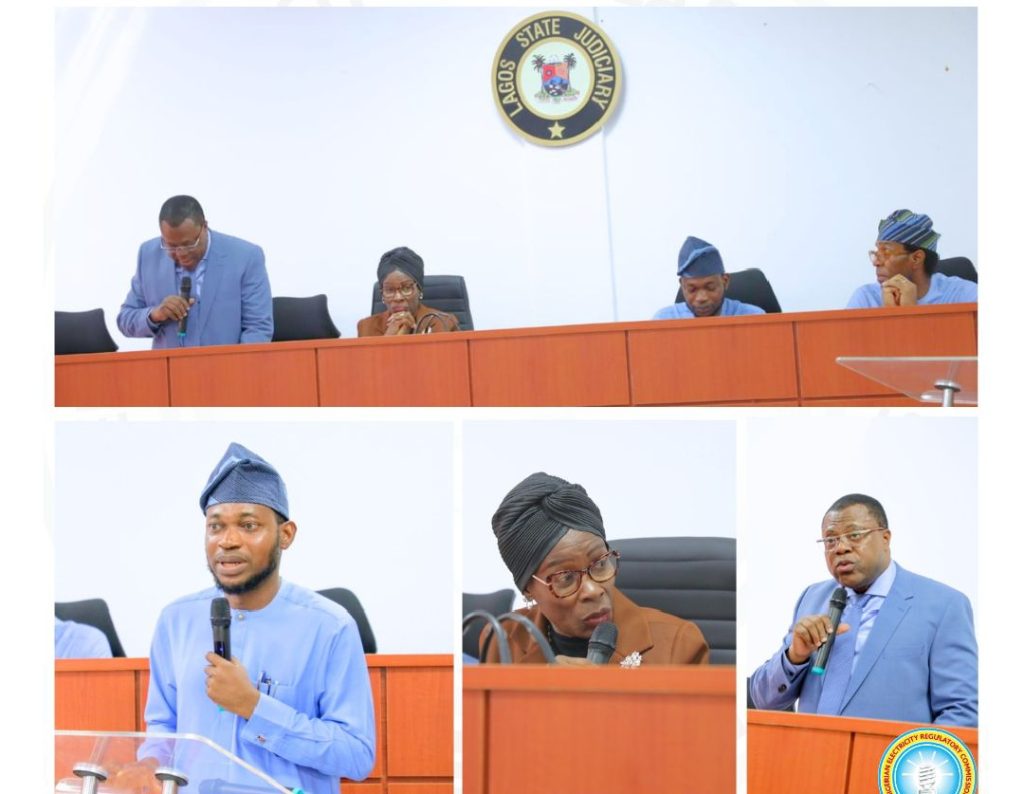 The seminar featured presentations on the legal implications of Nigeria’s decentralised electricity market and tariff regulation under the new regulatory framework.
Electricity Act
The workshop comes as Nigeria implements the provisions of the Electricity Act, which allows States to establish and regulate their own electricity markets.
Since the law came into effect, 16 states have taken over electricity regulatory responsibilities, while additional states are at different stages of establishing independent electricity regulatory commissions.
Nigeria has an installed electricity generation capacity of about 13,000 megawatts (MW), but available generation typically ranges between 4,000 MW and 6,000 MW, far below the country’s estimated demand of over 30,000 MW.
This supply gap has contributed to widespread dependence on self-generation by homes and businesses.
According to NERC’s industry statistics, Nigeria has over 13 million registered electricity customers, with more than seven million already metered under the National Mass Metering Programme and Meter Asset Provider schemes, although millions of customers are still awaiting meters.
Experts, however, say strengthening judicial capacity is expected to reduce legal uncertainties, improve regulatory consistency and enhance investor confidence as Nigeria moves towards a more decentralised electricity market.