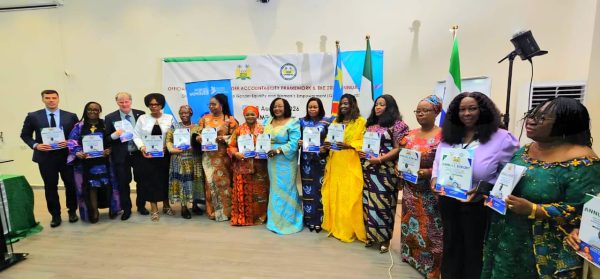
Nigeria has called for stronger accountability systems to bridge the gap between gender equality commitments and implementation, with measurable policies and adequate funding capable of delivering tangible results for women and girls.
The call was made by the Minister of Women Affairs and Social Development, Hajiya Imaan Sulaiman-Ibrahim, at the official launch of the Gender Accountability Framework and the 2025 Annual Report on the implementation of Gender Equality and Women’s Empowerment (GEWE) in Freetown, Sierra Leone.
The Minister congratulated the Government of Sierra Leone, the Ministry of Gender and Children’s Affairs and UN Women on the initiative, describing the framework as an important transition from policy aspiration to measurable delivery.
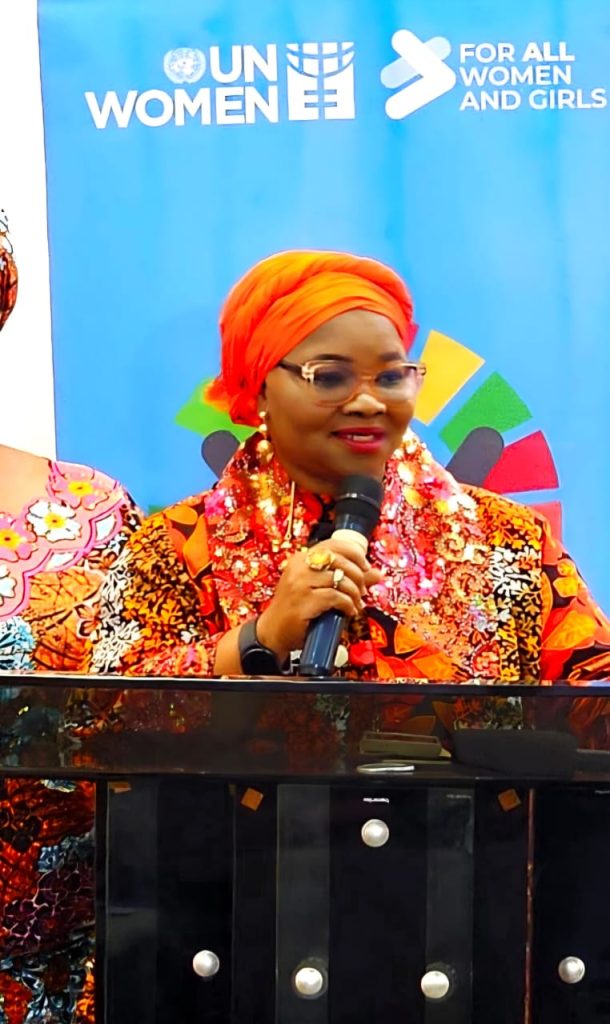
“Across West Africa, our challenge has rarely been a lack of policy ambition; rather, it has been the gap between commitment and implementation, between declaration and delivery,” she said.
Represented by the Chairman of the Board of the Maryam Babangida National Centre for Women Development, Princess Jummai Idonije, the Minister said “Nigeria’s ratification of approximately 89 per cent of international and regional normative frameworks on gender equality and women’s empowerment demonstrated its political commitment.”
Sulaiman-Ibrahim said the commitment was being translated into programmes under President Bola Ahmed Tinubu’s Renewed Hope Agenda.
She cited the Affirmative Procurement Policy, Gender Responsive Planning and Budgeting Framework, Nigeria for Women Programme and AGILE Programme as key interventions aimed at expanding women’s economic opportunities, participation and protection.
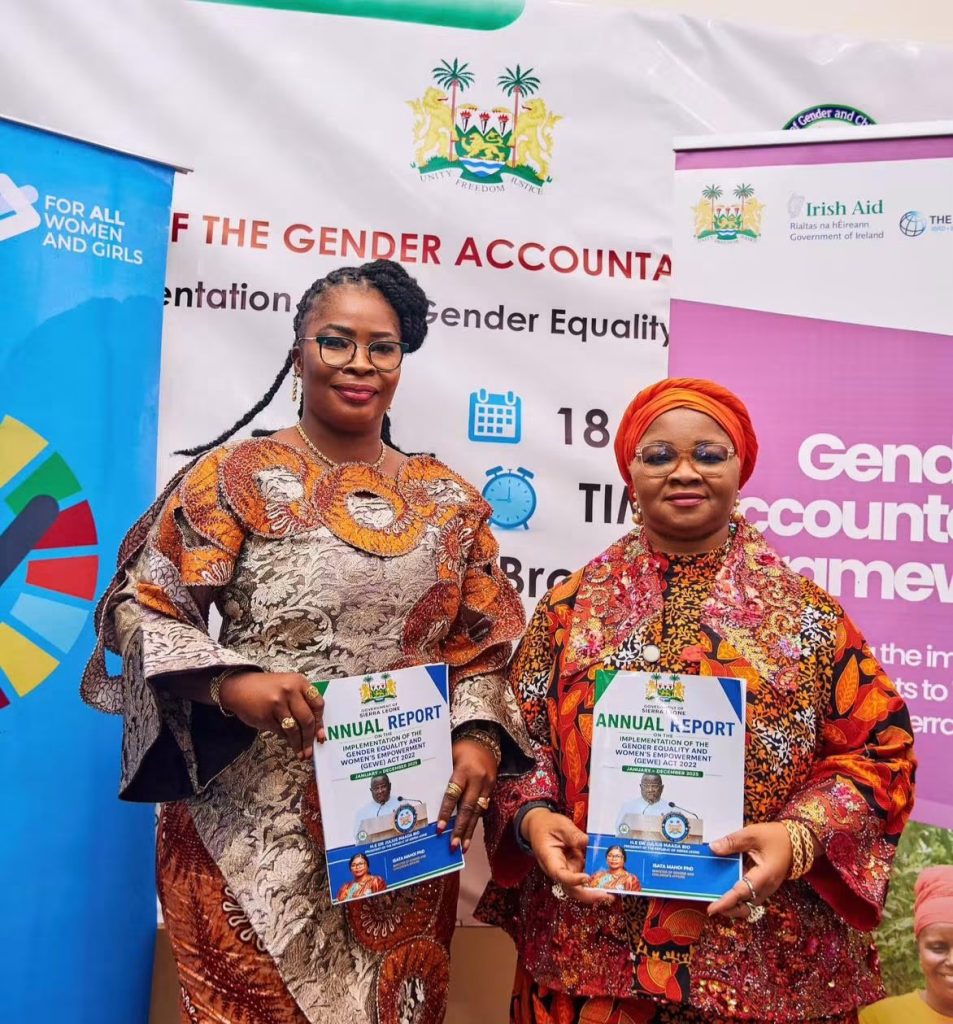
Sulaiman-Ibrahim also highlighted the National Women’s Economic Empowerment Policy 2023–2028 and the Renewed Hope Social Impact Intervention, which extends interventions to all 774 local government areas.
Beyond economic empowerment, the Minister said Nigeria recognised families and communities as critical to achieving sustainable gender equality, pointing to President Tinubu’s declaration of 2026 as the Year of the Family and Social Development.
She further referenced the National Boy-Child Policy and engagement with traditional and religious leaders to strengthen community-level action.
On accountability, the Minister said policies without effective measurement risked becoming declarations without impact.
“What is not properly measured is difficult to see; what is not visible is difficult to fund; what is not funded cannot be sustained; and what is not accountable cannot deliver maximum impact,” Sulaiman-Ibrahim said.
She called for gender-responsive accountability mechanisms that track performance, strengthen evidence-based financing and ensure resources reach their intended beneficiaries.
Nigeria, she said, welcomed Sierra Leone’s leadership and was ready to deepen regional learning and cooperation.
“Together, let us build systems where every commitment has an indicator, every indicator has a responsible institution, every institution has the resources to act, and every woman and girl can see and feel the difference,” Sulaiman-Ibrahim said.
The Minister said; “the ultimate test of gender policy was whether commitments translated into action, action into impact and impact into opportunities.”
She added that the launch of the framework provided a regional platform for governments to move from promises to performance, strengthen institutional responsibility and ensure that gender equality commitments produced demonstrable results for women and girls.