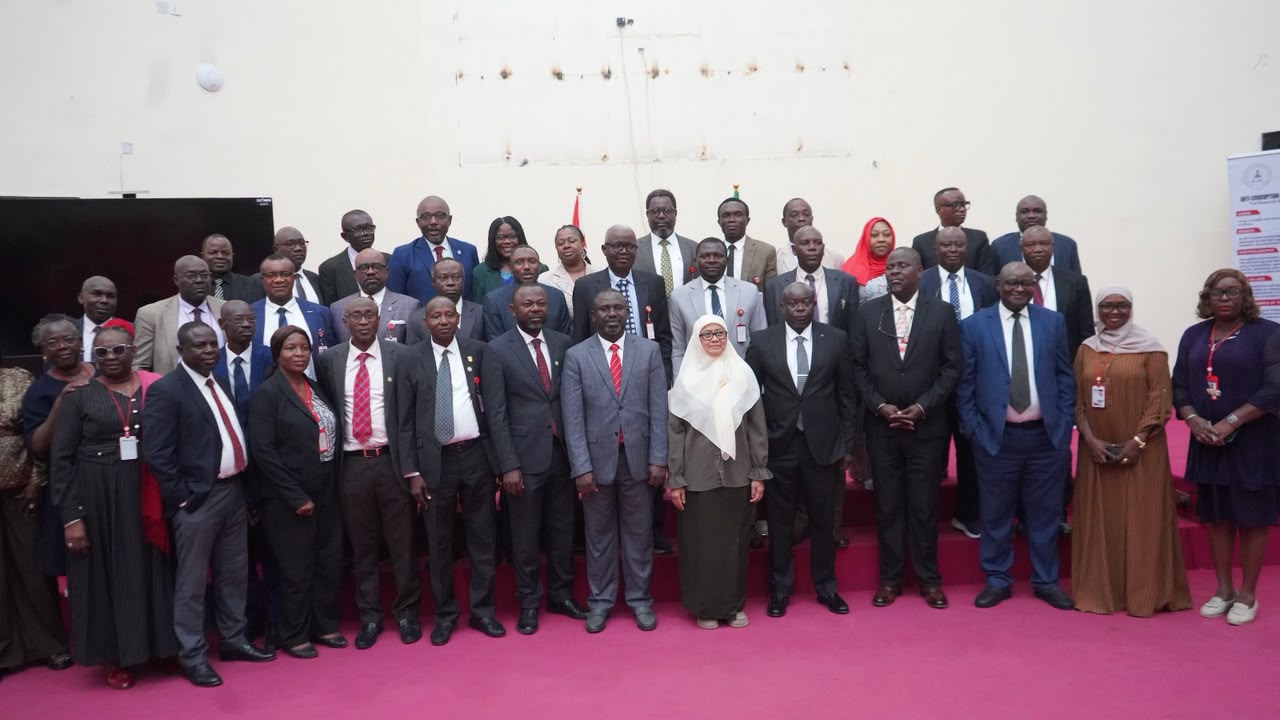
Nigeria is exploring Indonesia’s anti-corruption strategies as part of efforts to strengthen international cooperation and enhance the country’s fight against corruption.
The Chairman of the Independent Corrupt Practices and Other Related Offences Commission (ICPC), Dr Musa Aliyu, stated this in Abuja, the nation’s capital, at the second edition of the International Diplomatic Dialogue organised by the Anti-Corruption Academy of Nigeria (ACAN), the research and training arm of the ICPC.
The dialogue was themed: “Experience Sharing in Anti-Corruption Strategy: The Indonesian Perspective.”
Represented by the Secretary to the Commission, Mr Clifford Oparaodu, the ICPC Chairman said corruption remained a major impediment to sustainable development, economic growth, social justice and public trust in institutions, stressing the need for deliberate and coordinated international action.
READ ALSO: ICPC Calls for Results-Driven Anti-Corruption Fight
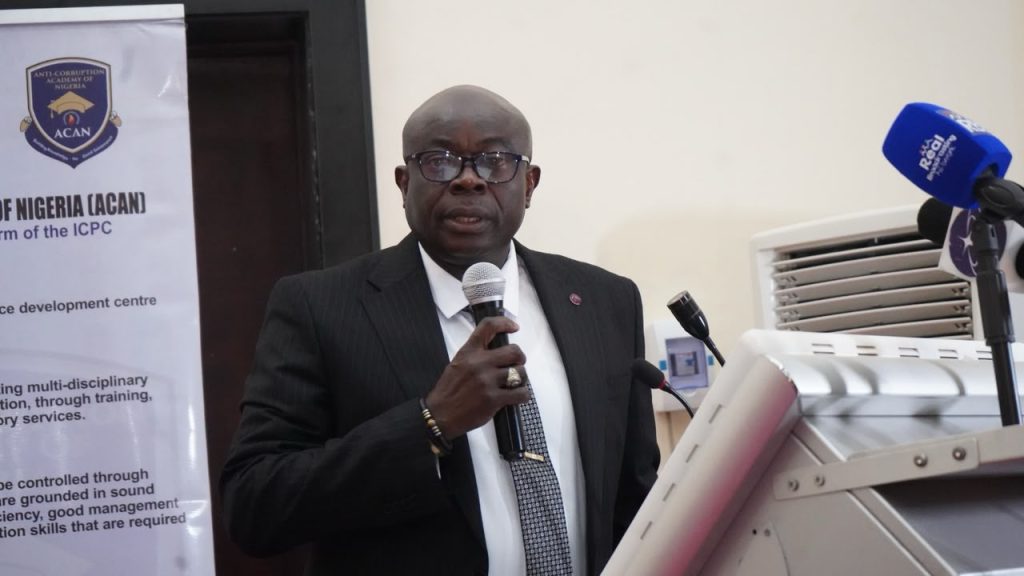
“It is proven that corruption is a worldwide phenomenon afflicting nations of the world in varying degrees and intensity, depending on the level of deliberate and strategic actions taken against it,” he said.
Aliyu noted that Nigeria had much to learn from Indonesia’s Corruption Eradication Commission, known as the Komisi Pemberantasan Korupsi (KPK), particularly in the areas of institutional and legal reforms, enforcement and prevention strategies.
“As Nigeria continues to deepen its anti-corruption efforts, there is much value in learning from comparative experiences, understanding best practices and identifying innovative approaches that can be adapted to our local realities,” the ICPC Chairman explained.
Representing the Indonesian Ambassador to Nigeria, Minister-Counsellor for Political Affairs at the Indonesian Embassy, Mrs Tuty Dityawanty, said the KPK, established in 2003, had successfully prosecuted hundreds of high-profile officials, including ministers, governors, lawmakers and judges, although corruption persisted in areas such as public services and business licensing.
READ ALSO: ICPC Advocates Anti-Corruption Studies In Law Schools
She identified the agency’s core functions as coordinating anti-corruption institutions, investigating and prosecuting cases, preventing corruption and monitoring state governance.
Dityawanty said KPK sting operations were supported by intelligence gathering, case-building and sufficient preliminary evidence, while electronic interception and wiretapping required prior written approval from the agency’s Supervisory Board.
She also highlighted Indonesia’s mandatory asset declaration system, LHKPN, which requires public officials to declare their assets before assuming office, periodically during their tenure and after leaving office.
According to her, the effectiveness of the KPK could be measured through successful prosecutions, improvements in international corruption rankings, savings in public funds and the recovery of stolen state assets.
Speaking at the event, the Provost of the Anti-Corruption Academy of Nigeria, Professor Sheriff Ibrahim, said the principles of the Bandung Conference, which produced the Bandung Declaration and Plan of Action, laid the foundation for anti-corruption efforts in Africa and other developing countries, with Indonesia playing a pioneering role.
“I wish to clearly state that Indonesia remains the cradle of the struggle for African liberation and the fight against corruption in countries of the South. It set the tone upon which Third World solidarity, peace and South-South cooperation are achieved,” he added.