The Nigerian Government has stepped up the enforcement of its National Policy on Anti-Bullying to make schools safer and improve learning environments and outcomes nationwide.
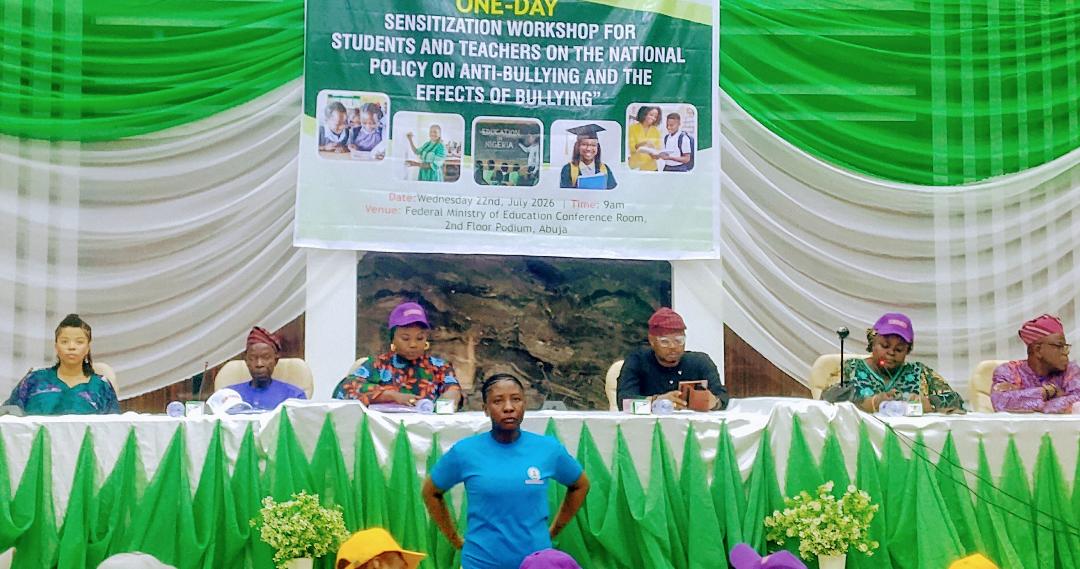
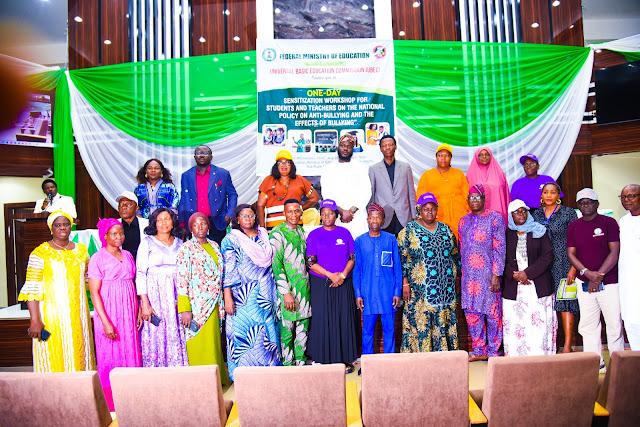
The renewed campaign was unveiled at a one-day sensitisation workshop organised by the Federal Ministry of Education in partnership with the Universal Basic Education Commission (UBEC)
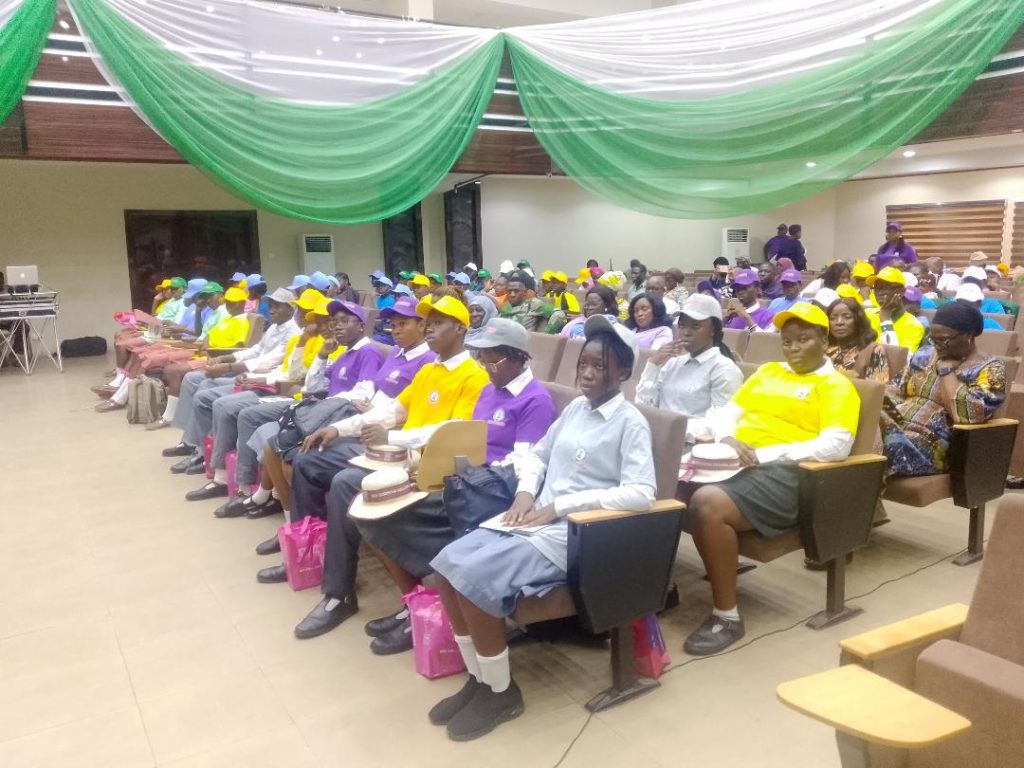
The event with the theme: “Sensitisation Workshop for Students and Teachers on National Policy on Anti-Bullying and the Effects of Bullying,” brought together students, teachers and education stakeholders in Abuja.
The government warned that students found bullying their peers could face sanctions ranging from suspension to expulsion.
Deputy Executive Secretary of UBEC, Rasaq Olajuwon, stated that “the campaign reflects the government’s determination to eradicate bullying and ensure that every child in Nigeria learns in a safe, inclusive, and supportive environment, as envisioned by President Bola Ahmed Tinubu.”
“Bullying inflicts psychological, emotional and academic harm to students. It undermines students’ academic performance, mental health and overall well-being, making stronger enforcement of the national policy imperative,” he said.
He urged students to break the culture of silence by reporting every incident of bullying, stressing that early reporting could prevent lasting emotional and psychological harm.
According to him, “the National Policy on Anti-Bullying provides practical guidelines for preventing, identifying and addressing bullying from primary schools to universities, while school administrators have been empowered to respond promptly whenever incidents are reported.”
He said sustained awareness campaigns by the Federal Ministry of Education and UBEC have already contributed to a noticeable decline in reported bullying cases across schools, stressing that the government would strengthen preventive measures and punish offenders.
Olajuwon urged parents to reinforce positive values at home, saying “the growing influence of social media and negative behavioural trends has contributed to the erosion of discipline among young people.’
The Executive Director of Sustainable Solutions for Youths and the Vulnerable Initiative (SSYVI), Ayotola Ilori, while delivering the keynote address, described bullying as a growing challenge with far-reaching consequences for victims, perpetrators, families and entire school communities.
She identified verbal, physical, social and cyberbullying as the most common forms of the menace, noting that their effects include fear, anxiety, trauma, poor academic performance and unsafe learning environments, while challenging students to reject the menace.
Ilori urged stronger collaboration among government, development partners, civil society organisations, the media and the private sector to safeguard schools.