The Nigeria Customs Service says it is working closely with the National Centre for the Control of Small Arms and Light Weapons (NCCSALW) and other security agencies to stop the movement of illegal arms and ammunition into Nigeria.
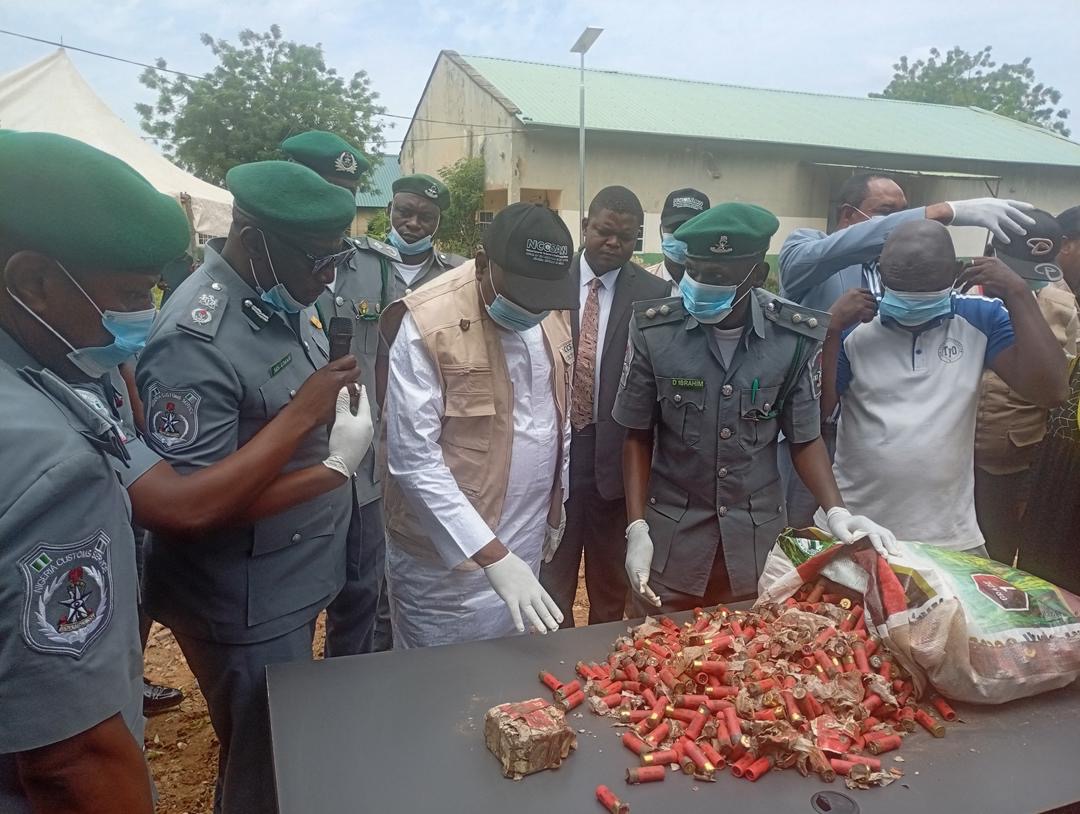
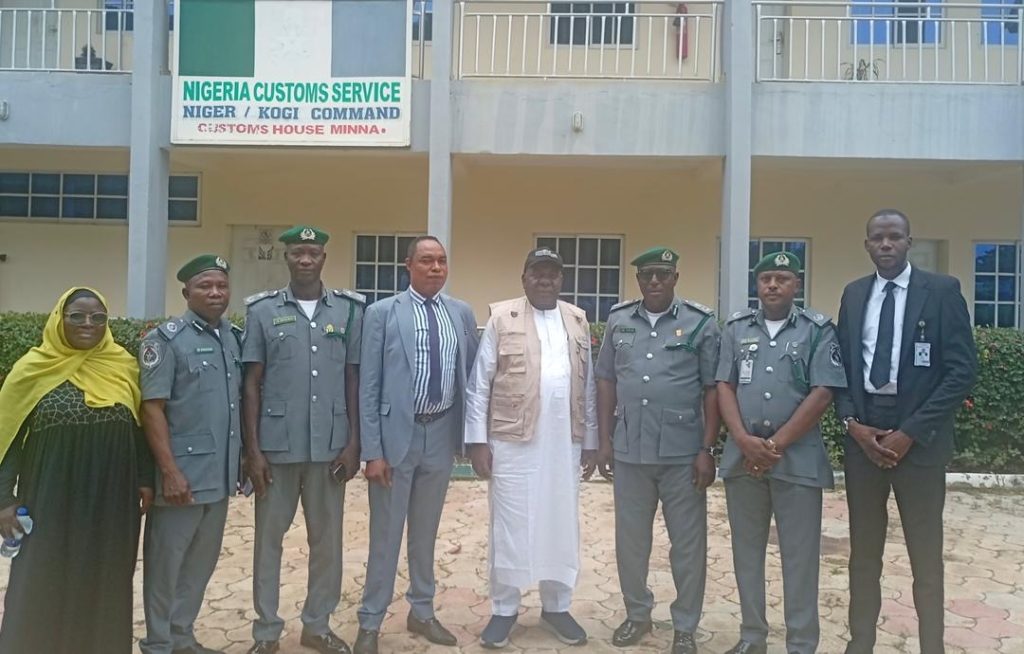
The Controller of the Niger/Kogi Area Command of the Nigeria Customs Service, Sani Mohammed Umar, said this in Minna while handing over 7,560 packages of live ammunition containing 189,000 rounds to the NCCSALW for further action.
He said Customs officers intercepted the consignment while on patrol around the Wawa axis of Niger State, close to the border, following information about the movement of the ammunition.
According to him, each of the 7,560 packages contained 25 rounds, making a total of 189,000 rounds of ammunition.
He said allowing such a large quantity of ammunition to enter the society illegally could have serious consequences, especially because of the security challenges facing the country.
Umar said the Comptroller General of Customs, Bashir Adewale Adeniyi, had directed officers to remain vigilant and strengthen operations along the borders to prevent the illegal movement of arms and ammunition.
He added that the Customs Service would continue to cooperate with other security agencies to prevent illegal arms from reaching criminal groups.
READ MORE: Nigeria Customs Expands Modernised Border Watch
Also speaking, the Director of the NCCSALW North Central Zone, Abdul Adamu Eneche, commended the Customs Service for its cooperation and for handing over the seized ammunition.
Eneche, who represented the Director General of the Centre, Johnson Babatunde Kokumo, said the ammunition would go through the required process before being destroyed.
He said the destruction would ensure that the ammunition did not return to the society or fall into the hands of criminals.
He called on other security agencies to strengthen their cooperation with the NCCSALW, saying no single agency could successfully fight illegal arms trafficking alone.
He said the Centre was also carrying out awareness campaigns and training for security agencies, traditional rulers, religious leaders, communities and other stakeholders.
According to him, security agencies are being trained to identify new methods used by criminals to move illegal arms and ammunition.
He added that communities were also being encouraged to provide useful information to security agencies whenever they noticed suspicious activities.
He expressed optimism that stronger cooperation, information sharing, effective border control and public awareness would help reduce the availability of illegal arms to criminal groups.