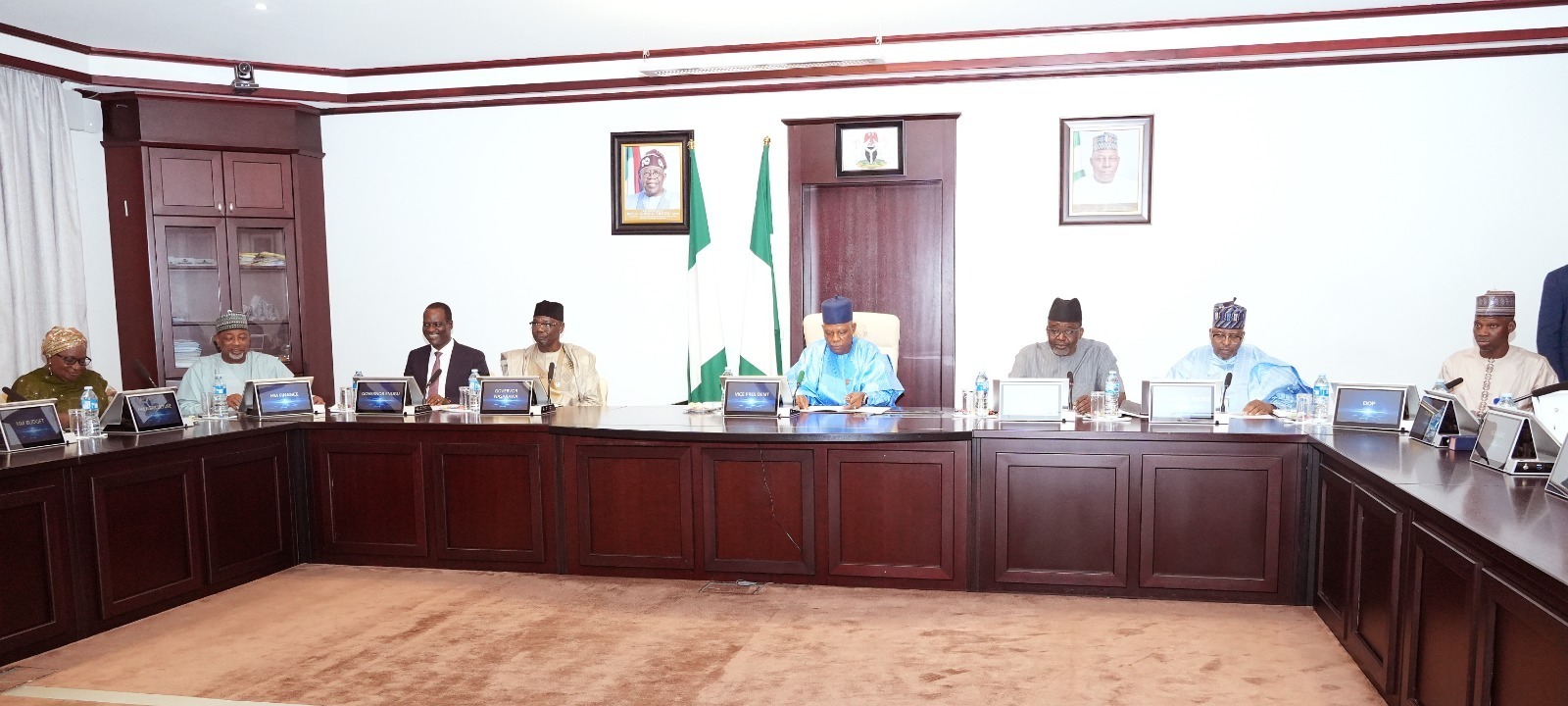
The Nigerian Government has received the final report of the National Technical Working Group on the World Bank-supported 500 million-dollar Sustainable Agricultural Value Chains for Growth (AGROW) Programme, signalling the completion of the programme’s design phase and paving the way for implementation.
Receiving the report at the Presidential Villa in Abuja on Tuesday, Vice President Kashim Shettima said the AGROW Programme would bridge the gap between farmers and government planning by ensuring that agricultural policies are informed by the realities of those working in the sector.
He noted that “one of the major challenges facing agriculture had been the disconnect between farmers who produce food and the systems that determine the value of their labour, adding that the government is committed to closing that gap through the implementation of the programme.”
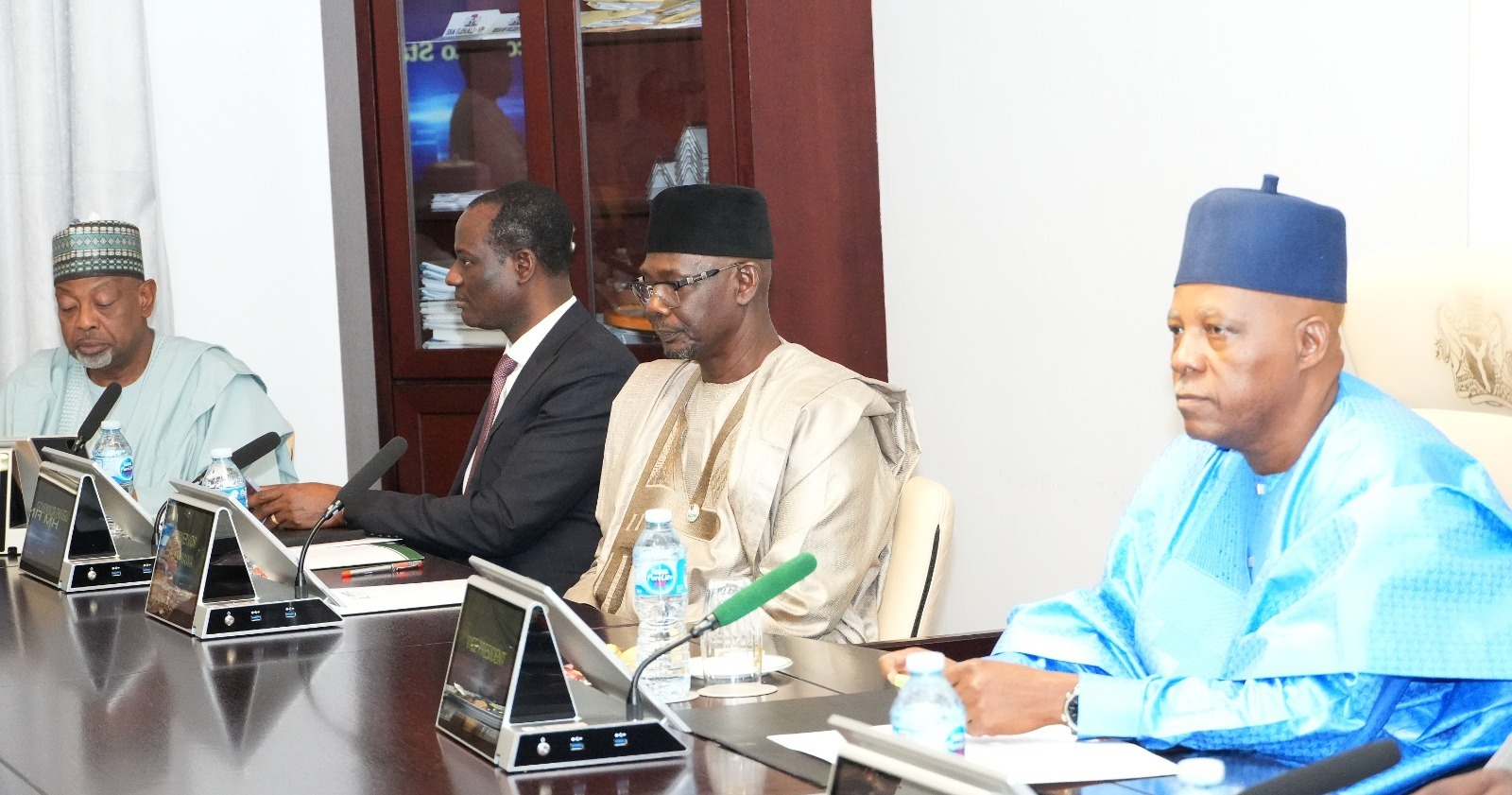
The $500 million World Bank-supported programme was developed through seven zonal consultations involving 32 states, reflecting the increasing commitment of subnational governments to agricultural development and their readiness to assume greater responsibility for productivity, infrastructure, extension services and market development.
The Vice President described the AGROW programme report as “the conclusion of a design process that restores the farmer to the centre of our national economic reasoning, where he has always belonged.
Vice President Kashim Shettima described agriculture as a critical driver of Nigeria’s economy, noting that “the sector contributes 23 per cent of the country’s Gross Domestic Product (GDP) and provides livelihoods for 34 per cent of the workforce.”
He said improving agricultural productivity would enhance food security, create jobs, reduce poverty and support economic growth, stressing that the sector should receive greater investment and policy attention.
VP Shettima noted that 32 states participated in consultations that shaped the AGROW Programme, describing the level of participation as evidence of growing interest in agricultural development across the country.
On implementation, the Vice President said 355 million dollars, representing 71 per cent of the programme’s 500 million-dollar funding, would be channelled through participating states to drive project delivery at the grassroots.
He, however, acknowledged that the funding would not be sufficient to address all the challenges facing the sector, including inadequate extension services, infrastructure, technology, processing and market access.
The VP said; “improving agricultural productivity would enhance food security, create jobs, reduce poverty and support economic growth, stressing that the sector should receive greater investment and policy attention.”
VP Shettima noted that 32 states participated in consultations that shaped the AGROW Programme, describing the level of participation as evidence of growing interest in agricultural development across the country.
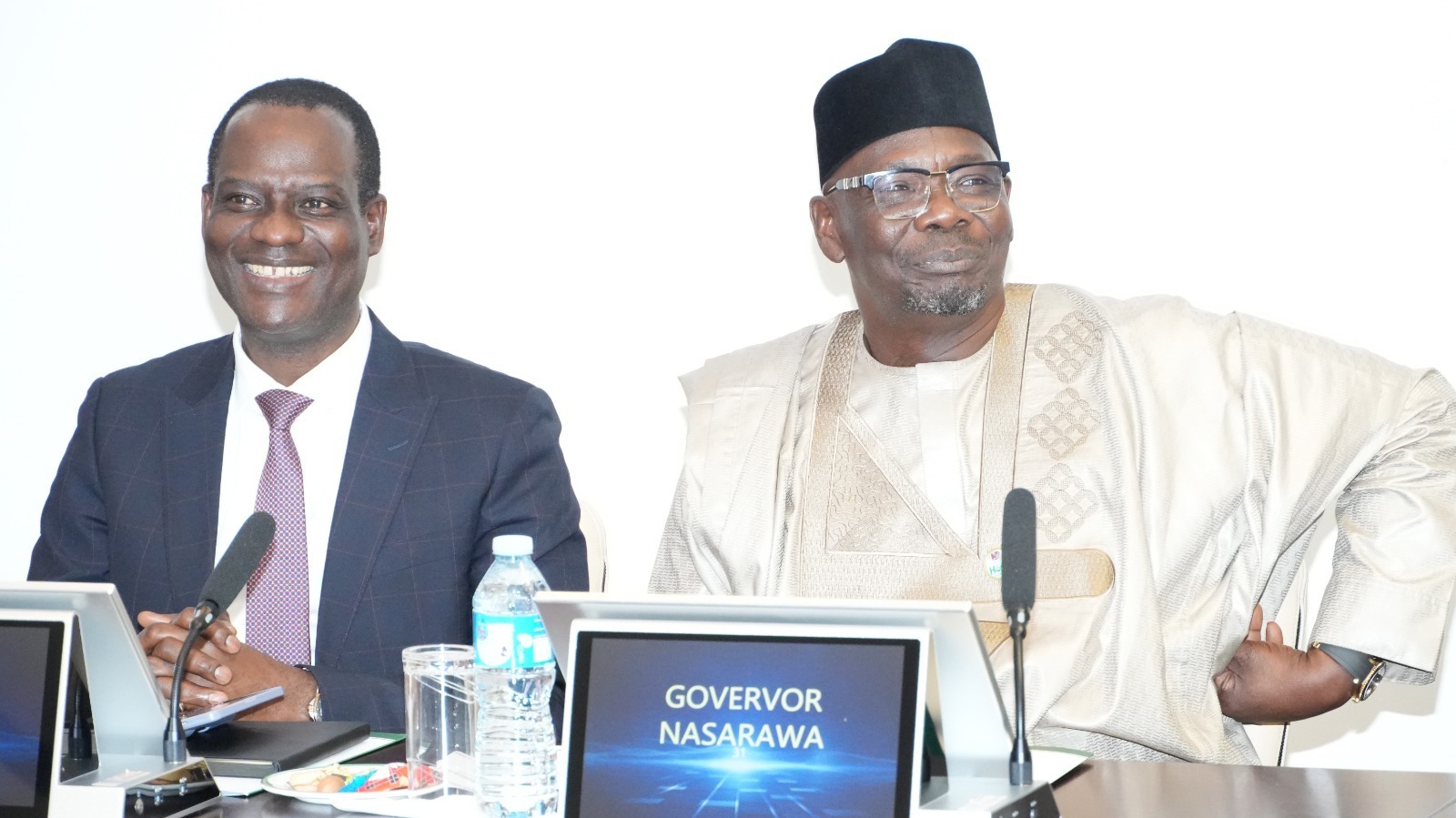
The Vice President commended members of the National Technical Working Group for producing an inclusive and evidence-based report and formally dissolved the committee following the completion of its assignment.
He, however, acknowledged that the funding would not be sufficient to address all the challenges facing the sector, including inadequate extension services, infrastructure, technology, processing and market access.
The Vice President commended members of the National Technical Working Group for producing an inclusive and evidence-based report and formally dissolved the committee following the completion of its assignment.
He directed the Federal Ministry of Agriculture and Food Security, as Chair of the National Steering Committee, to oversee the implementation of the programme, while commending the Presidential Food Systems Coordinating Unit for coordinating the design process.
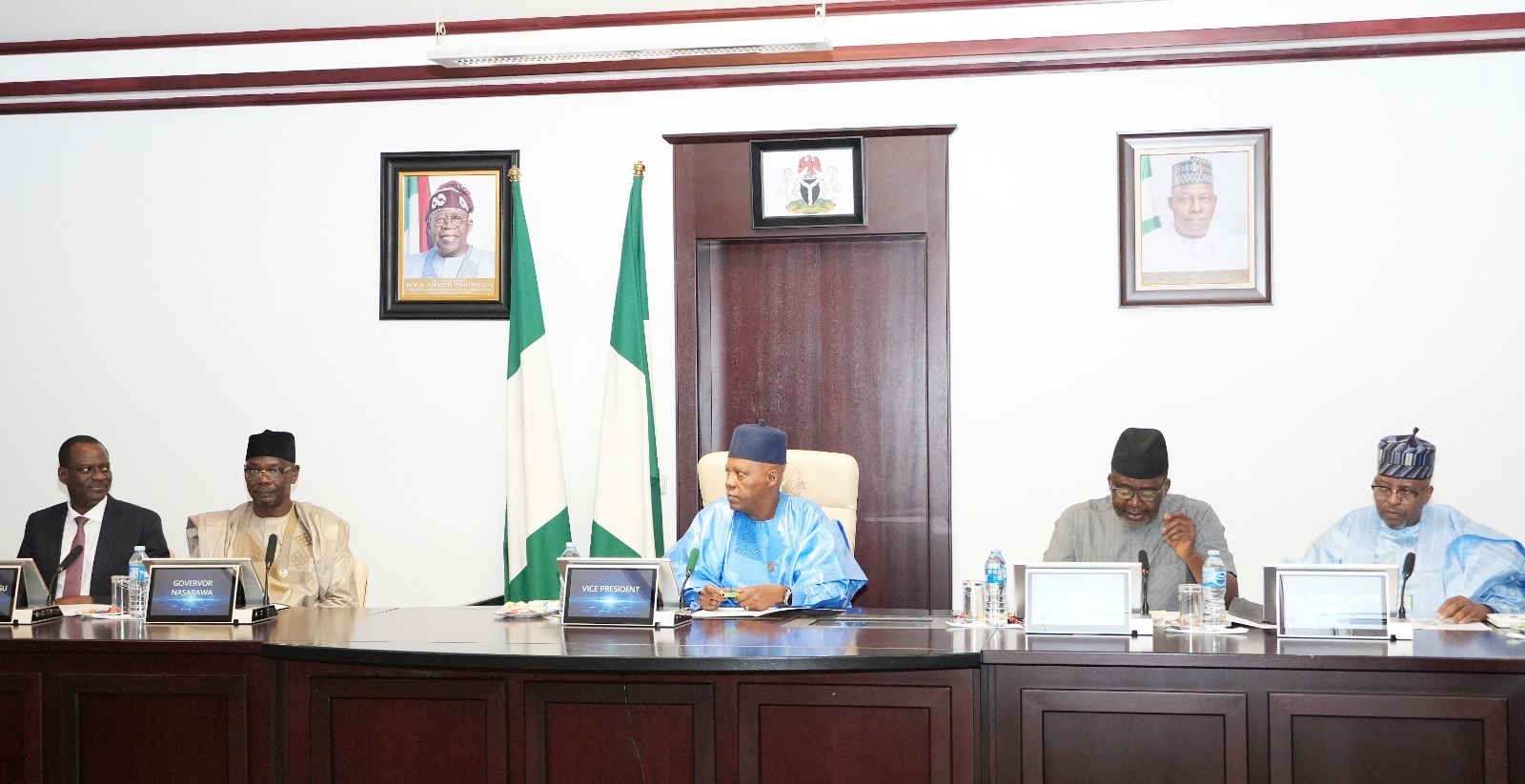
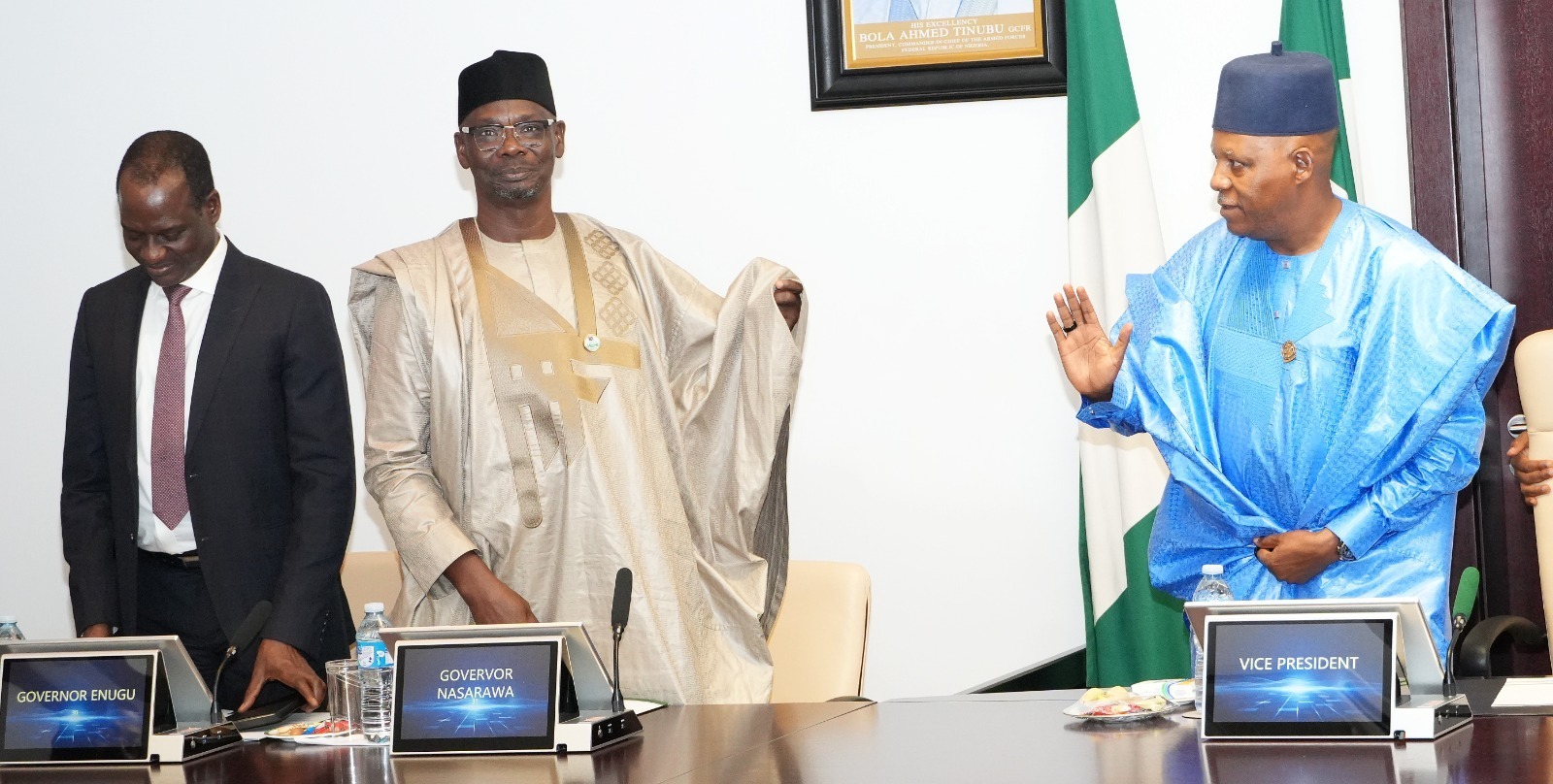
The Nasarawa State Governor Abdullahi Sule said State Governors were fully committed to the initiative, while Kaduna State Deputy Governor Hadiza Balarabe pledged the state’s readiness to implement the programme through a dedicated coordination mechanism.
The Minister of Agriculture and Food Security Abubakar Kyari assured stakeholders of the ministry’s commitment to the successful implementation of AGROW, while the World Bank reaffirmed its support for the programme, expressing confidence that it would strengthen food security and improve livelihoods.
The Technical Adviser to the Vice President on Agriculture and Executive Secretary of the Presidential Food Systems Coordinating Unit, Marion Moon, said the working group developed an eight-indicator framework to identify priority agricultural value chains based on Nigeria’s agroecological conditions