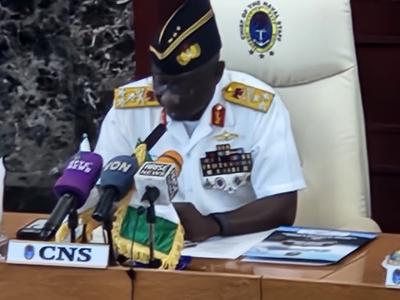
The Nigerian Navy is to establish a dedicated Research Institute and research and development cells across its commands to accelerate indigenous technology, reduce dependence on foreign equipment, and strengthen operational effectiveness.
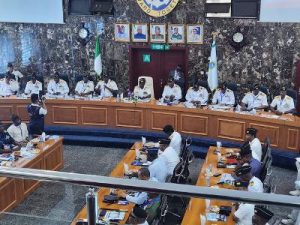
The Chief of the Naval Staff (CNS), Vice Admiral Idi Abbas, disclosed this on Thursday at the Nigerian Navy Research and Development Seminar 2026, held under the theme, “Deepening the Application of Emerging Technologies for Operational Effectiveness.”
Abbas said, “The initiatives were designed to institutionalise innovation, harness the ingenuity of naval personnel and translate research into practical, affordable solutions to address operational challenges and enhance national security”.
He noted that emerging technologies were increasingly shaping maritime operations, as criminal networks continued to exploit technological advancements to evade detection, threaten critical national assets and engage in maritime crimes.
According to him, effective responses to evolving maritime threats require timely intelligence, accurate surveillance and the ability to deploy appropriate forces where they are most needed.
READ ALSO: Navy Chief Seeks Technology-Driven Logistics System
“The objective is not simply to acquire more technology but to achieve greater operational effect with the resources available at our disposal,” he said.
The Naval Chief explained that technology-enabled maritime surveillance had improved maritime domain awareness and helped direct patrols towards identified threats, ensuring more efficient deployment of naval assets while reducing fuel and maintenance costs.
He added that surveillance of offshore installations and other critical national infrastructure had strengthened efforts against crude oil theft and related economic crimes, contributing to a more secure environment for oil production.
Abbas said, “Emerging technologies could further extend these capabilities to creeks and adjoining coastal areas for pipeline monitoring and protection, thereby safeguarding vital national assets and supporting sustained oil production.”
Beyond maritime security, he stressed that emerging technologies were also essential to the Navy’s contributions to counter-terrorism and counter-insurgency operations, particularly as naval personnel, including Marines and Special Forces, increasingly participated in joint operations.
He identified improved intelligence gathering, unmanned surveillance, secure communications, and enhanced battlefield awareness as critical requirements for strengthening the effectiveness of personnel deployed in such operations.
The CNS further highlighted the importance of indigenous shipbuilding and maintenance, noting that the Navy’s dockyard and shipyard capabilities demonstrated the growing potential to develop and sustain operational platforms locally.
He called for stronger collaboration with universities, research institutions and indigenous industries to develop, test and deploy technological solutions tailored to the Navy’s operational needs.
Abbas urged participants to identify specific capability gaps, recommend viable research partnerships and establish practical pathways for translating promising innovations into equipment and systems for operational units.
“Our success must be measured by the capabilities we develop, the resources we save and the operational results we achieve,” he said.
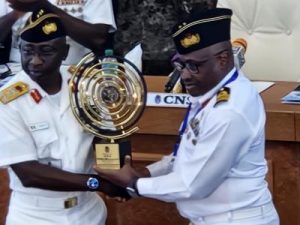
The Naval Chief commended President Bola Ahmed Tinubu for his continued support for the enhancement of the Nigerian Navy’s operational capabilities and praised the Naval Transformation and Innovation Branch for organising the seminar.
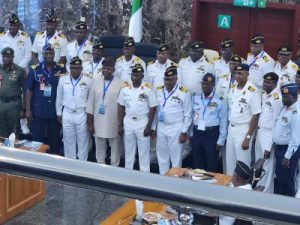
Earlier, the Chief of Transformation and Innovation, Naval Headquarters, Rear Admiral Chijioke Onyeamaobi, said the seminar aligned with the CNS’s vision of harnessing emerging technologies, intensifying research and development, and promoting indigenous solutions to enhance operational capabilities.
Onyeamaobi observed that advances in artificial intelligence, autonomous systems, advanced sensors and additive manufacturing were changing how navies conduct operations, sustain equipment and maintain fleets.
He warned that the rising cost of imported platforms and prolonged supply-chain delays made the development of domestic technological capabilities imperative.
“A Navy that depends entirely on others for its technology cannot fully control its own readiness,” he said, describing research and development as the bridge between emerging technologies and operational requirements.