Nigeria’s ongoing maritime reforms have received fresh endorsement from the National Coalition for Transformative Reforms (NCTR), which says recent investments, digital transformation initiatives and regulatory changes are repositioning the country’s ports for greater efficiency, competitiveness and economic growth.
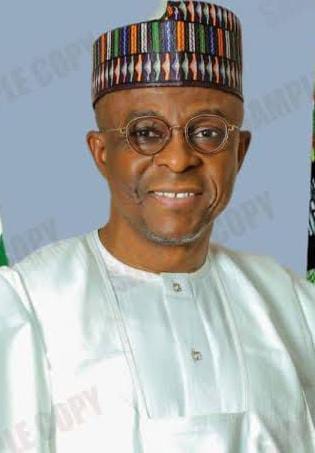
The civil society organisation also described the appointment of Mr. Abubakar Dantsoho as Managing Director of the Nigerian Ports Authority (NPA) as a strategic move by President Bola Ahmed Tinubu to strengthen the maritime sector and advance the government’s port modernisation agenda.
The Executive Director of the coalition, Dr. Richard Ocheje, who gave the commendation in Abuja, Nigeria’s capital, said that President Bola Tinubu’s administration has demonstrated commitment to overhauling Nigeria’s port system through sustained investments and policy reforms aimed at making the country’s seaports more competitive within the West and Central African maritime corridor.
The NCTR boss said the NPA under Dantsoho had embarked on reforms that have improved public confidence in the agency while advancing the government’s broader port modernisation agenda.
READ ALSO: NPA Boss Calls For Urgent Port System Overhaul
“The MD has within a short time, given the NPA a brand new image. As a regulator, the agency has left no one in doubt that the man in charge is a square peg in a square hole,” he stated.
The group said the reforms, anchored on infrastructure renewal, digital transformation and regulatory restructuring, have revitalised the Marine and Blue Economy, with positive implications for revenue generation, trade facilitation and employment.
On the broader reforms being championed by the present administration, Ocheje said:
“The £746 million United Kingdom Financing Deal signed in March 2026 is expected to provide funding for the upgrade and modernisation of the Lagos Port Complex, Apapa, and the Tin Can Island Port.
“We cannot forget in a hurry the $1 billion seaport reconstruction, an ambitious programme aimed at a total rehabilitation of five major seaports within 48 months. They include Apapa, Tin Can Island, Calabar, Warri, and Port Harcourt/Onne seaports.
“Do not forget that the Federal Government has gone a great distance in the development and certification for five new deep seaports in Badagry (Lagos), Olokola (Ondo), Ibom (Akwa Ibom), Bakassi (Cross River), and Bonny (Rivers) to increase cargo capacity,” he emphasised.
President Tinubu’s administration has consistently identified the Marine and Blue Economy as a strategic sector capable of driving economic diversification, boosting non-oil revenue and enhancing Nigeria’s competitiveness in regional and international trade.
Since the creation of the Federal Ministry of Marine and Blue Economy in 2023, the government has embarked on reforms designed to modernise port infrastructure, improve cargo handling efficiency and attract greater private sector investment.
Ocheje also commended the Federal Government for embracing technology to improve port administration and facilitate trade, noting that the ongoing digitisation of port processes would significantly reduce bureaucratic bottlenecks.
According to him, the implementation of the National Single Window represents a major milestone in simplifying cargo clearance procedures and enhancing operational efficiency.
“This digital platform is aimed at digitally integrating port operations and streamlining cargo clearance, reducing vessel waiting and cargo turnaround times. No doubt, this will promote both efficiency and effectiveness,” he said.
On the regulatory front, Ocheje said the passage of the Nigerian Port Economic Regulatory Agency (NPERA) Bill by the National Assembly underscored the government’s determination to strengthen governance in the maritime sector.
He said the proposed legislation would establish an independent economic regulator with statutory powers to oversee port tariffs, monitor service delivery standards and promote transparency and competitiveness across Nigeria’s ports.
The coalition also expressed optimism that the ongoing reforms, if sustained, would improve Nigeria’s ease of doing business, strengthen the country’s position as a regional maritime hub and unlock greater opportunities for investment, trade and economic development.